News Archives - Europe House

Running for Equality: Europe House and Women Power Cup at the Skopje Marathon

Sport is not only about competition. It is also a space for equal opportunities, confidence and inclusion.

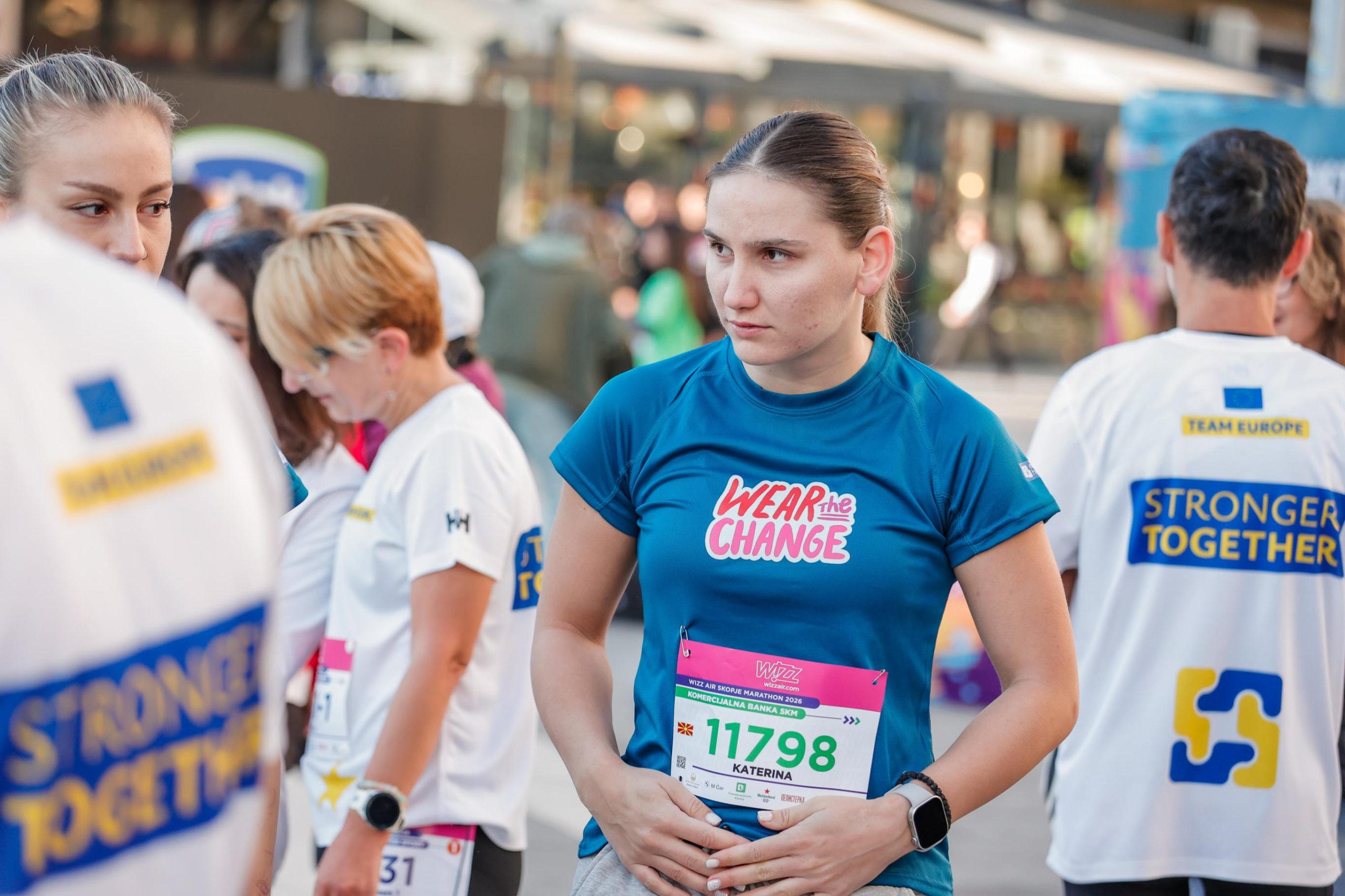
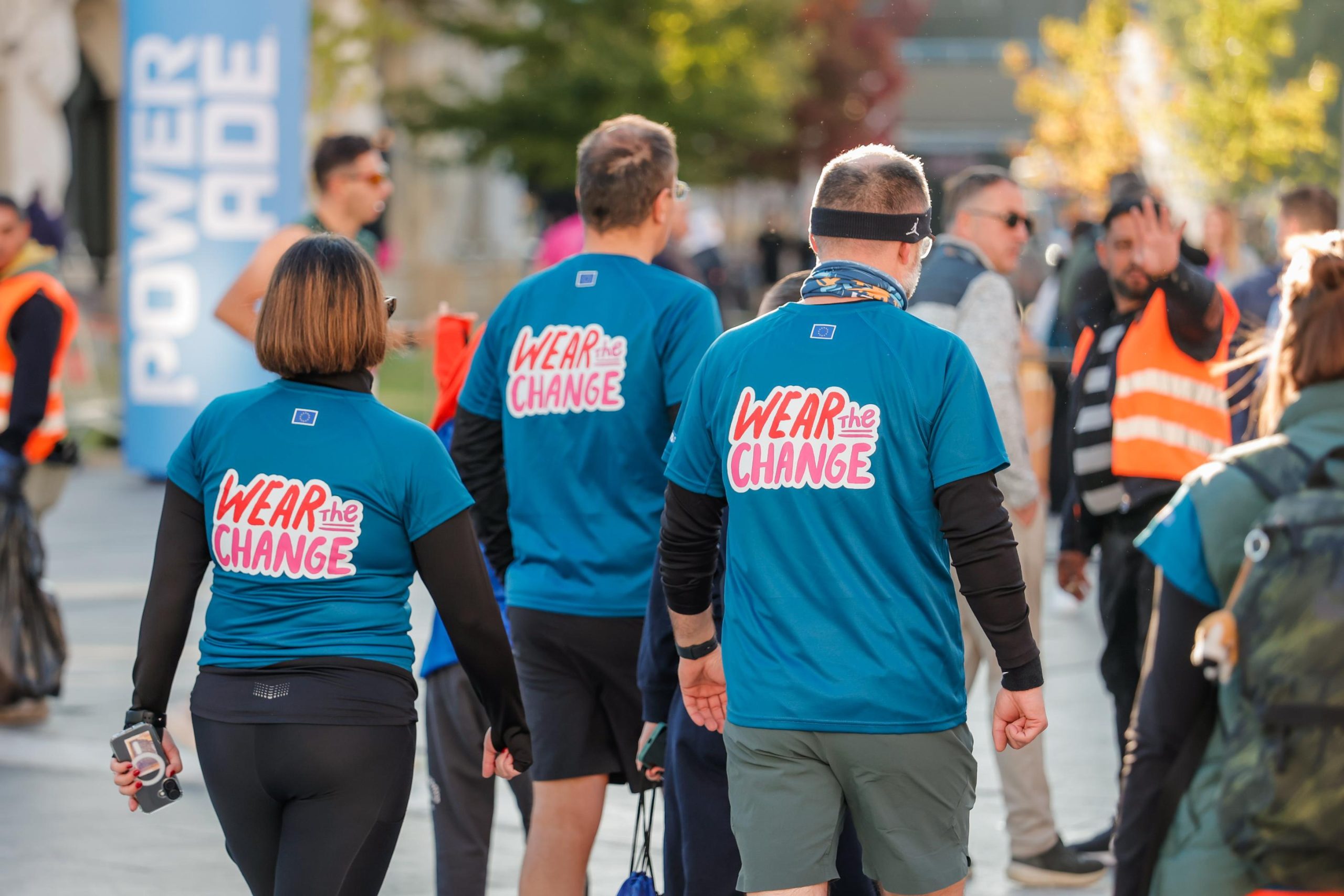
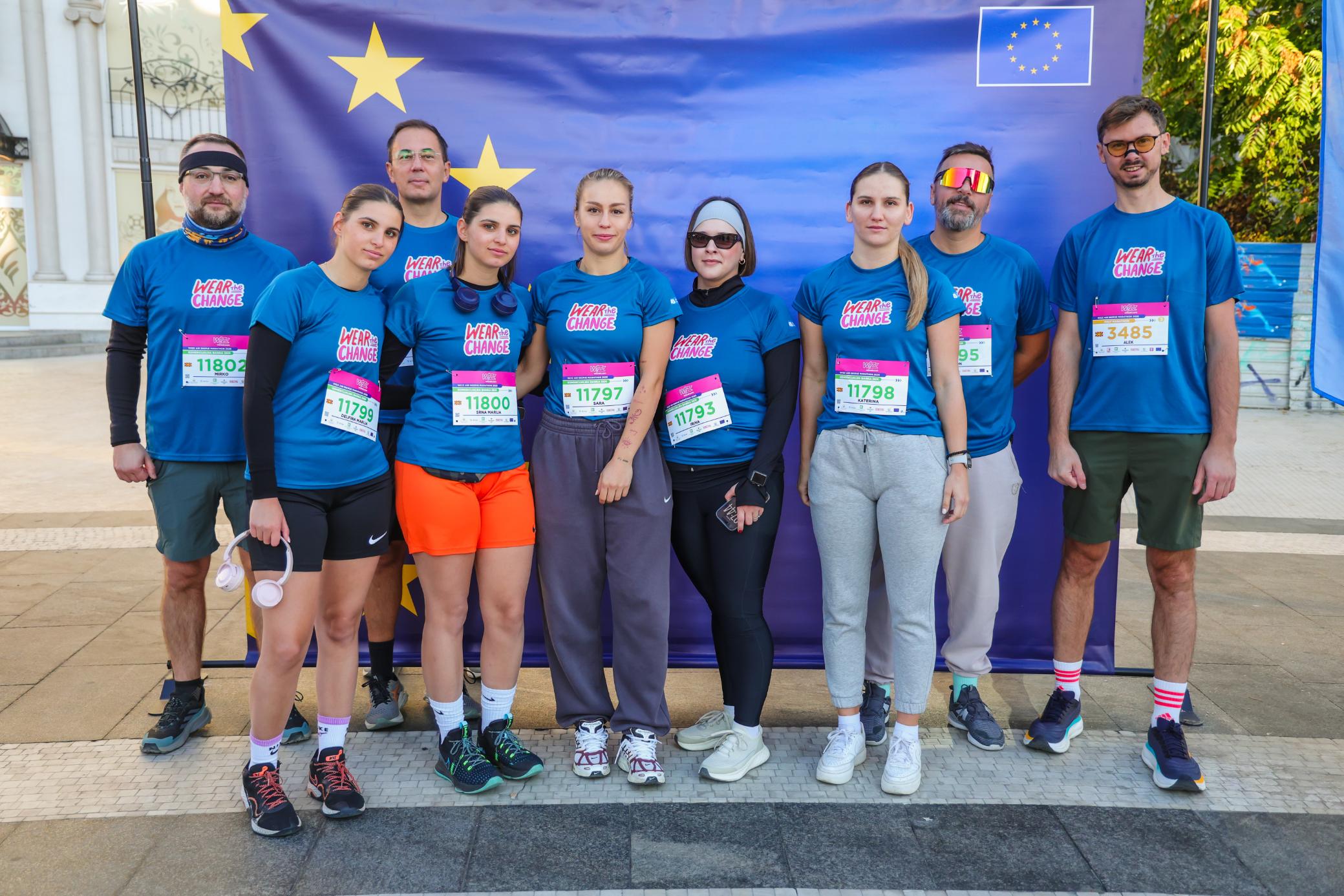
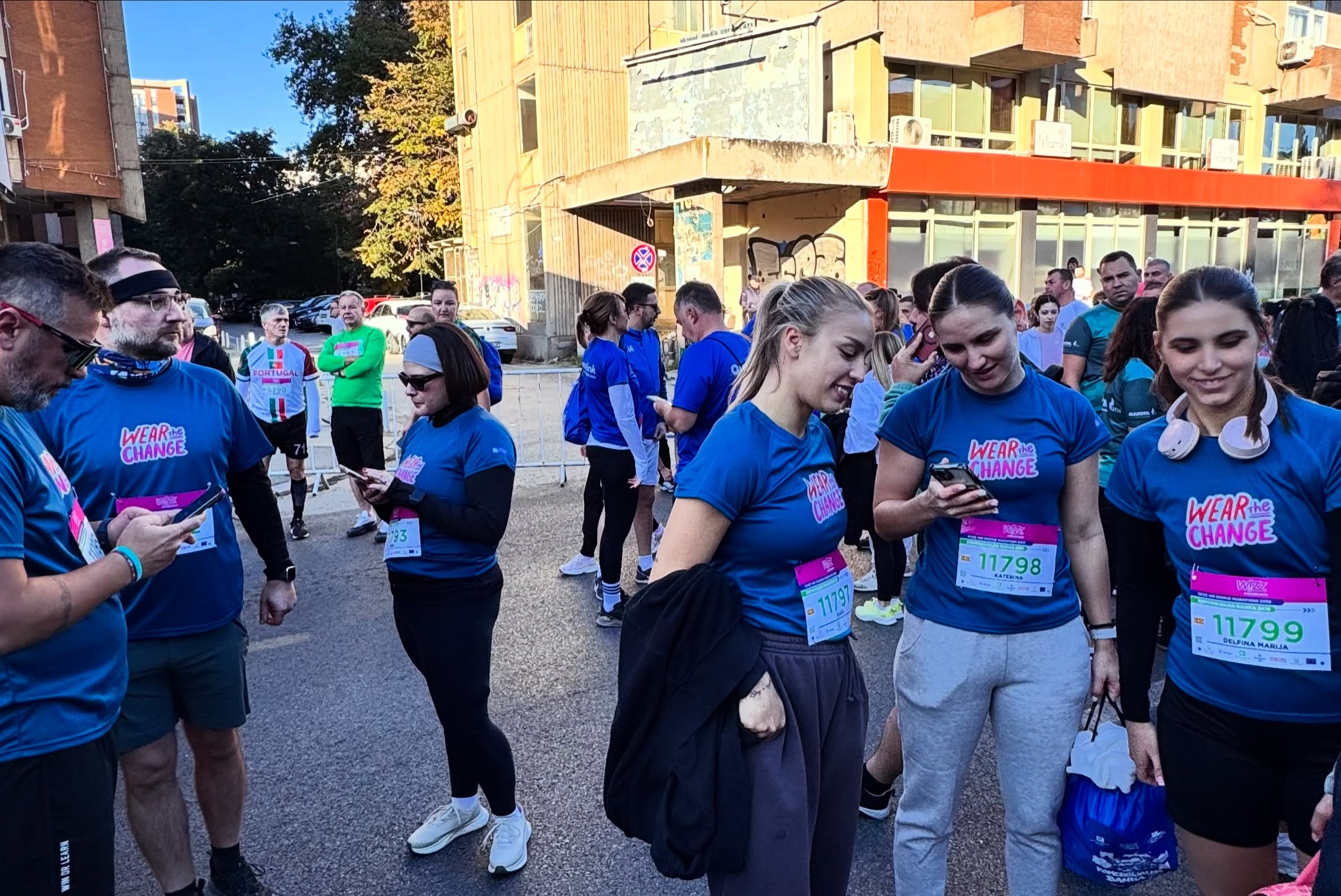
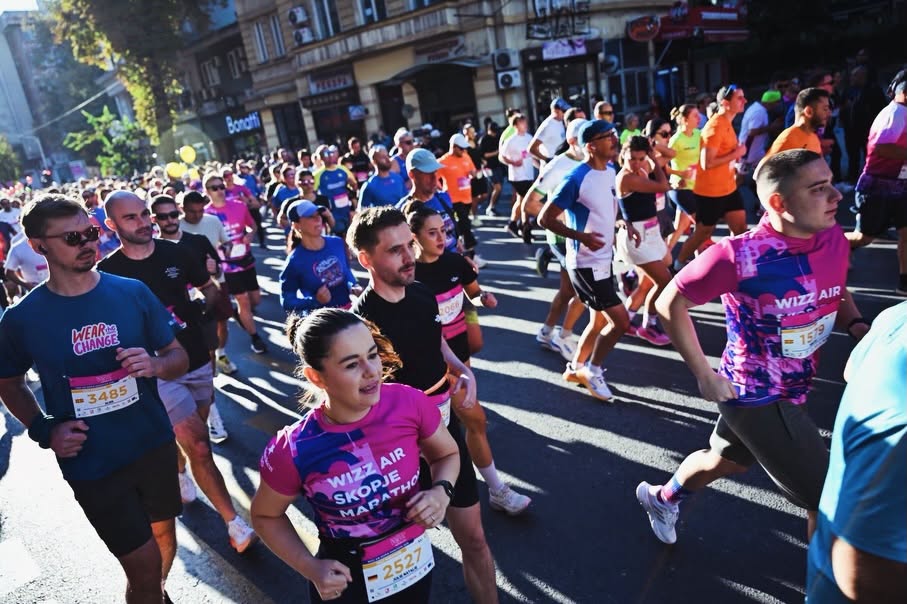
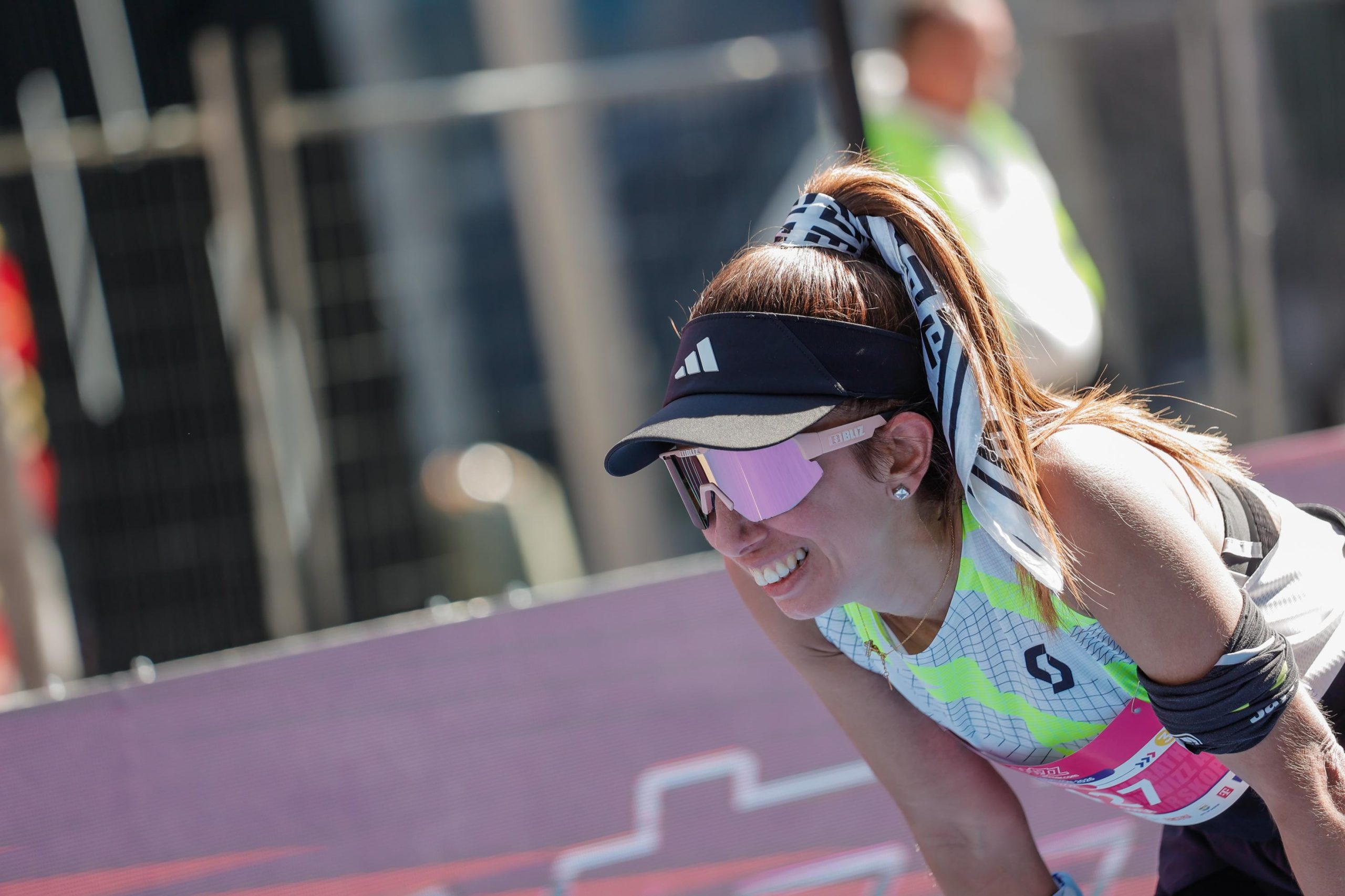
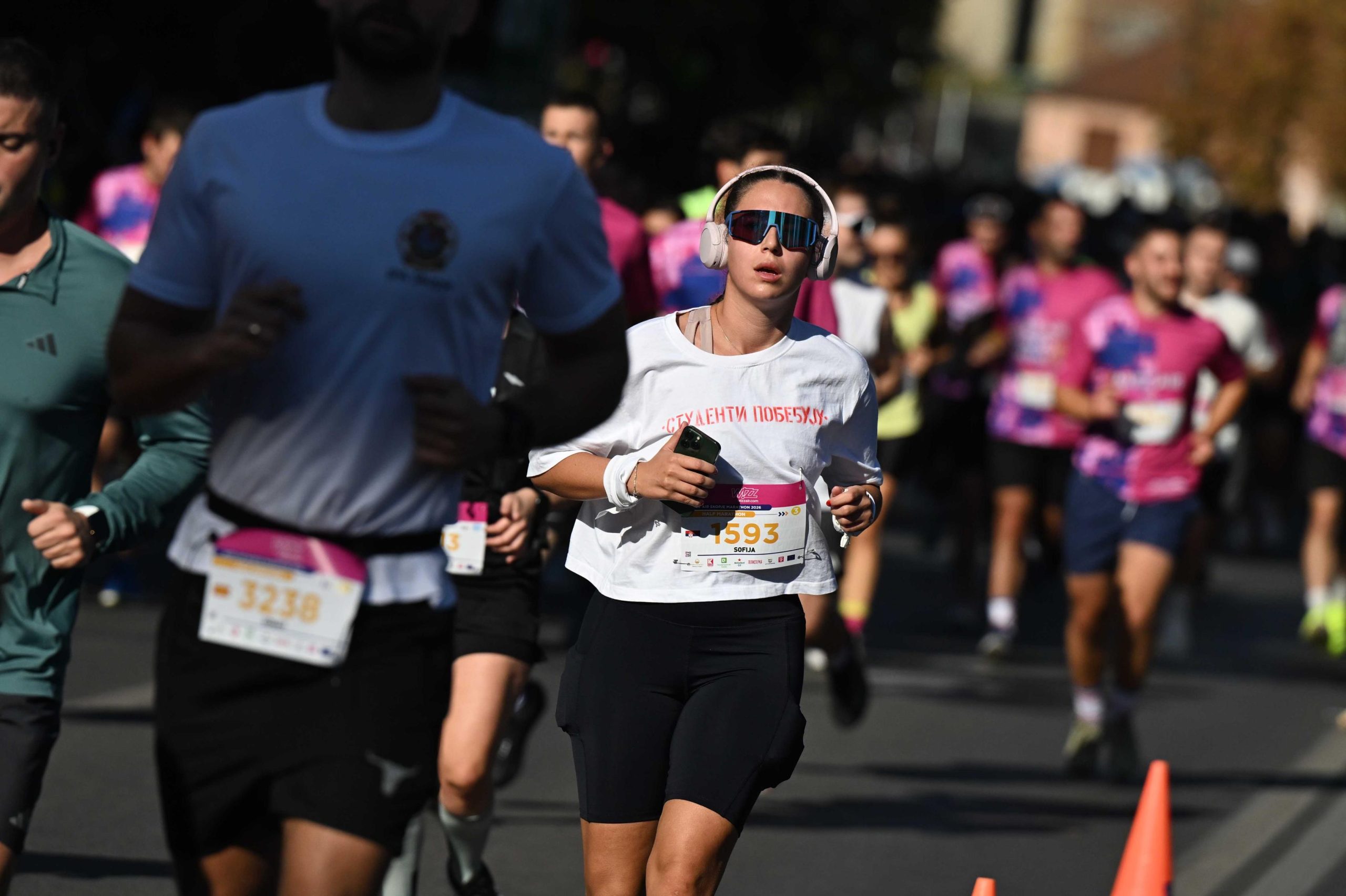
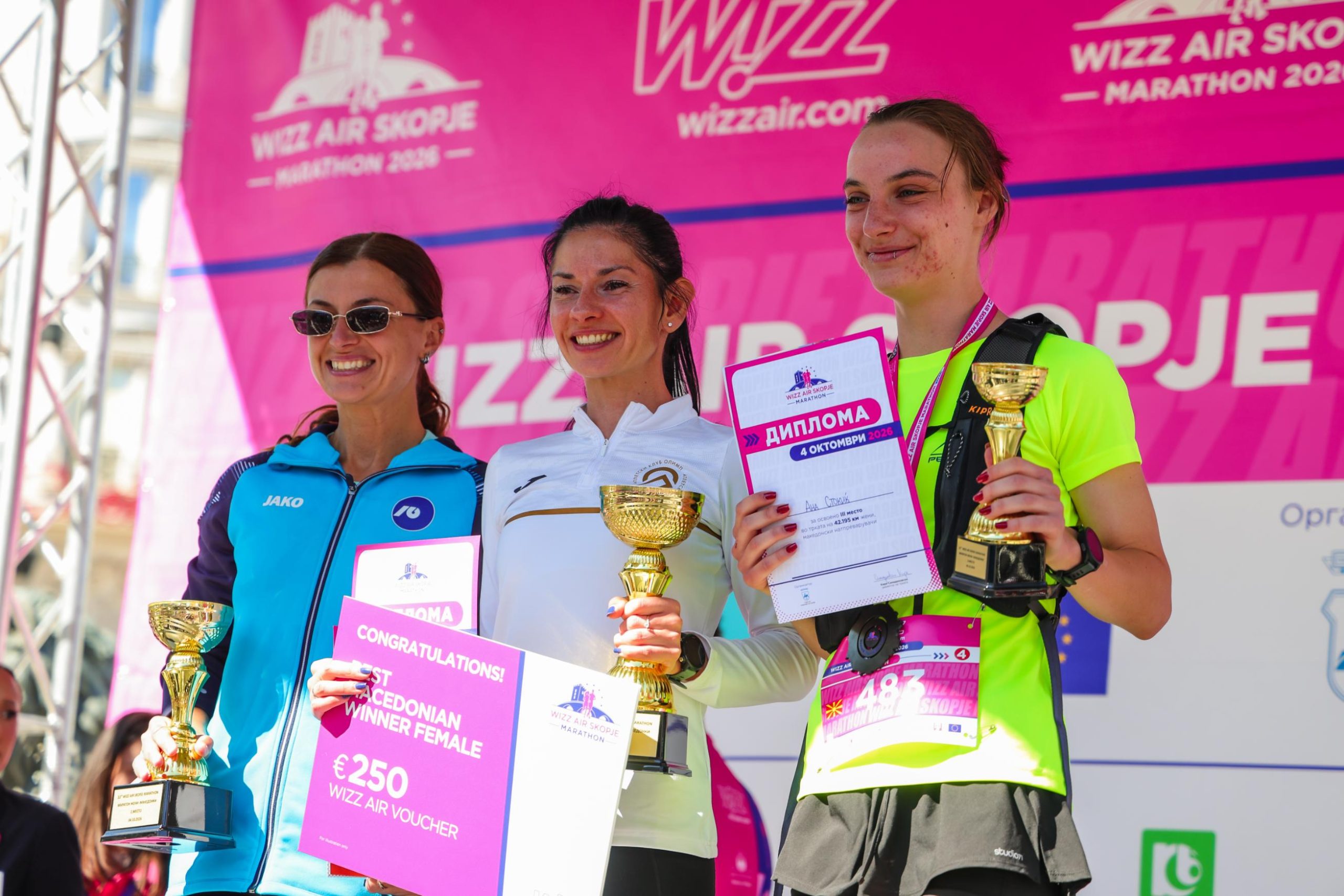
With this in mind, Europe House joined forces with Women Power Cup to take part in the 22nd edition of the Wizz Air Skopje Marathon through the “Wear the Change” initiative – standing alongside women and girls who take part in sport, compete, inspire others and constantly push their limits.

The joint marathon participation was part of the activities with which Europe House marked the European Week of Sport, which began on 23 September and brought a range of sports activities and initiatives across the country, highlighting that sport is for everyone – regardless of age, gender or ability.

More Than a Race

Running a marathon takes endurance, discipline and determination. But sport is about more than what happens at the starting or finishing line. It is about building healthy habits, making a commitment, establishing a routine and choosing to make sport part of everyday life.

The Europe House team and athletes from Women Power Cup in Kochani came together at the Skopje Marathon to highlight the importance of greater inclusion and gender equality in sport. We want to encourage more girls and women to discover sport as a space for personal growth, connection and new achievements.

Women Power Cup brought the energy of women’s sport, movement and female strength – both on the field and in society. And through “Wear the Change” – an initiative of the Delegation of the European Union and the Europe House network – we create space for dialogue, new ideas and progress towards greater gender equality.

Equality Through Sport

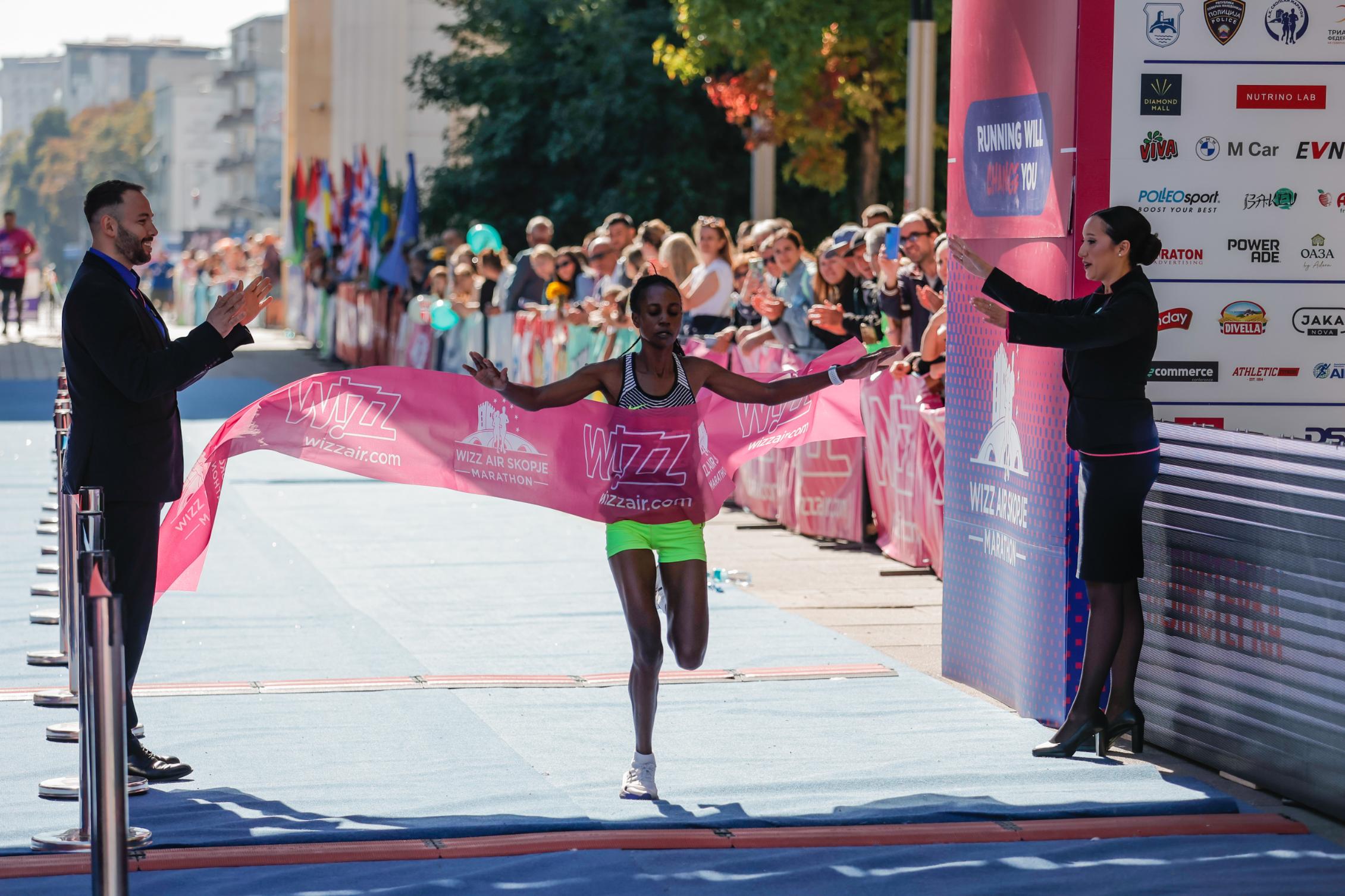
At the country’s largest sporting event, a record 15,050 participants from 63 countries took part this year across the marathon, half-marathon and “EU for Sport” relay race. Among those who completed the marathon, 77 were women, compared with 518 men.

These figures show that women are still underrepresented in sport, but greater participation can help make women’s presence more visible and encourage others to follow.

Because in a marathon, as in any other sport, every step matters. And progress happens when we choose to keep moving forward.

Through its year-round “Wear the Change” initiative and its participation in the Skopje Marathon, Europe House once again underlined the importance of staying active, supporting women in sport and creating a space where everyone has the chance to participate, compete and grow.

Join in. Take the next step forward. Wear the Change.

Babylon – New Generation 2026: Winners of the Best Student Translation Award Announced

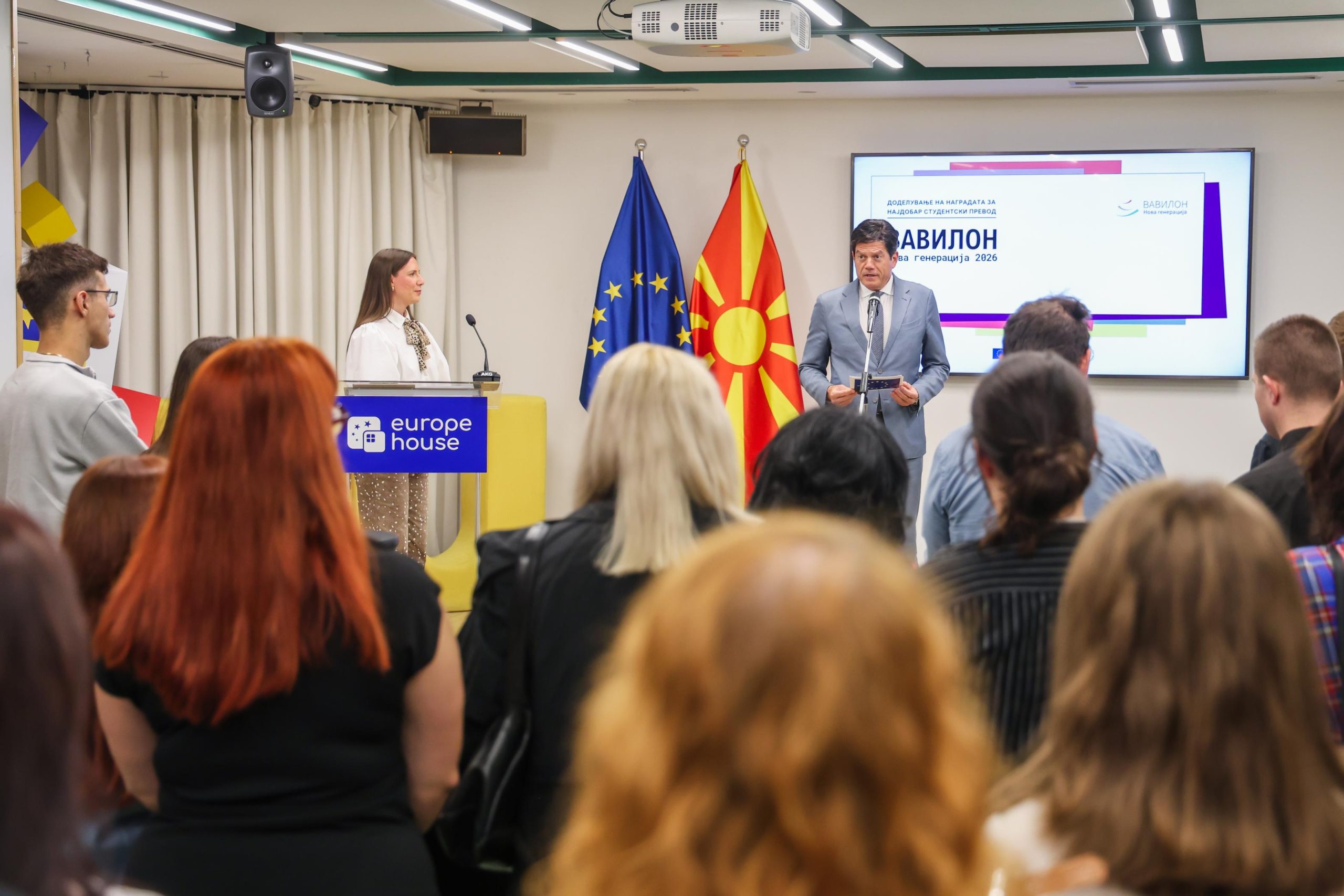
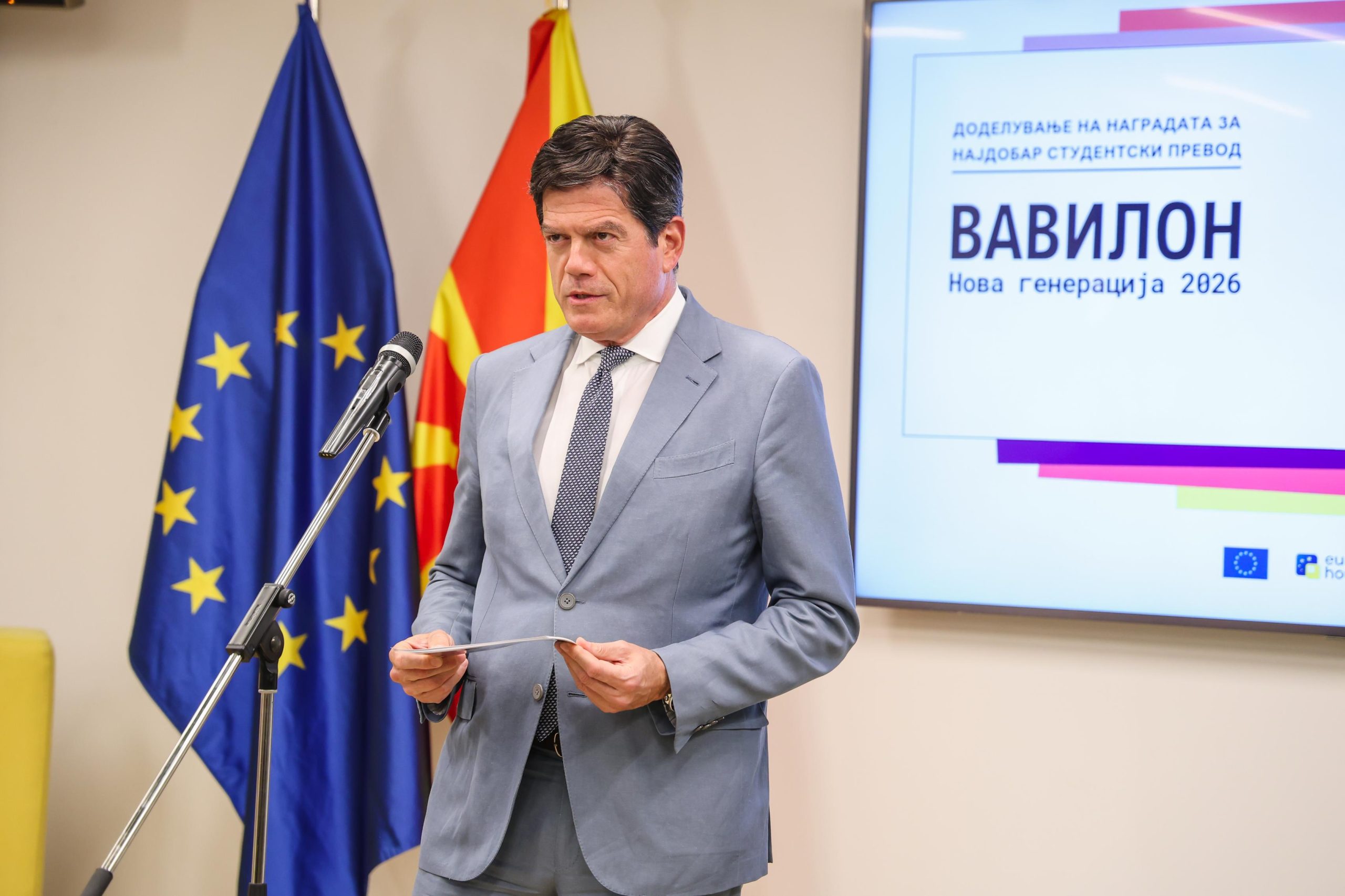
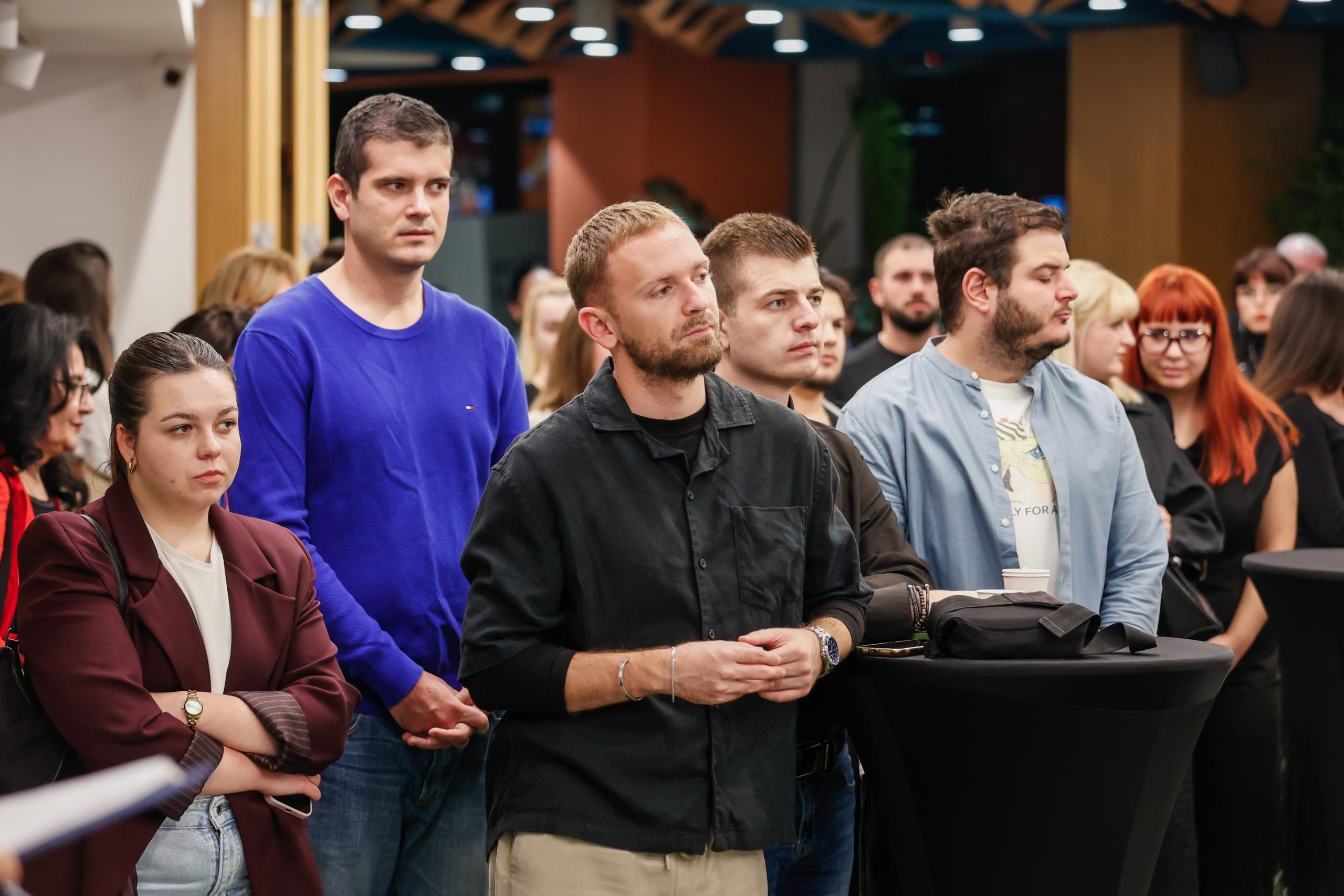
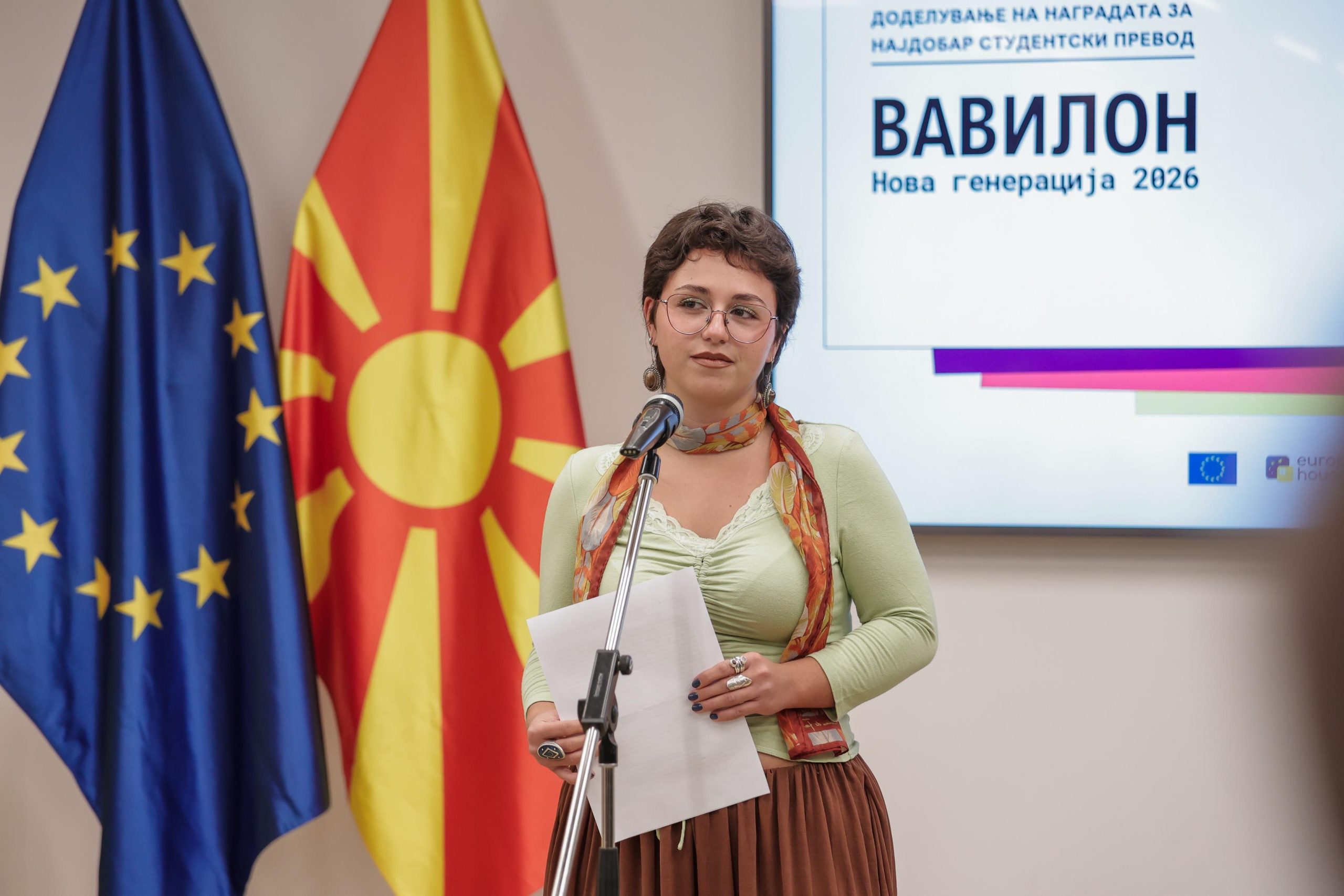
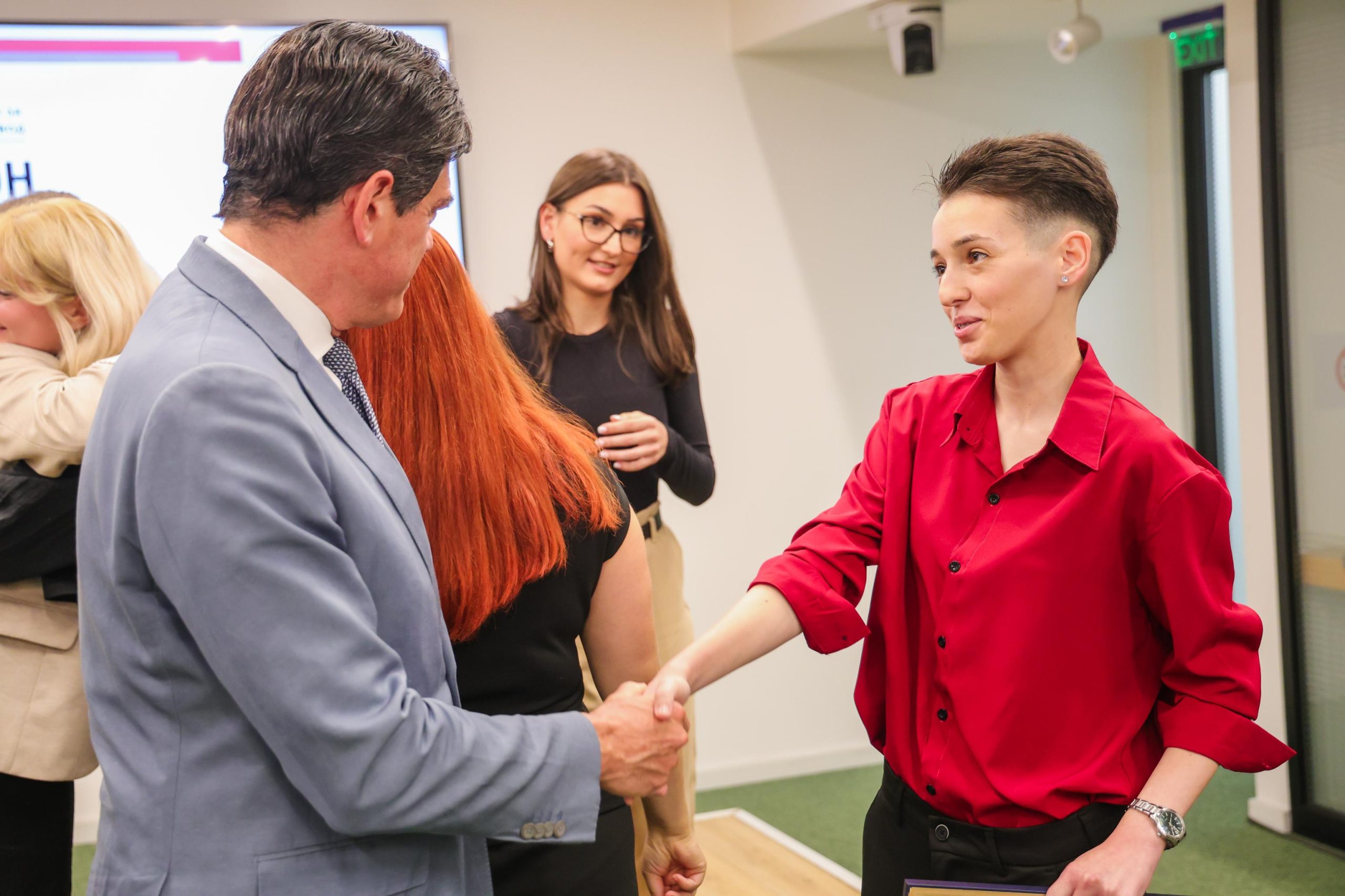
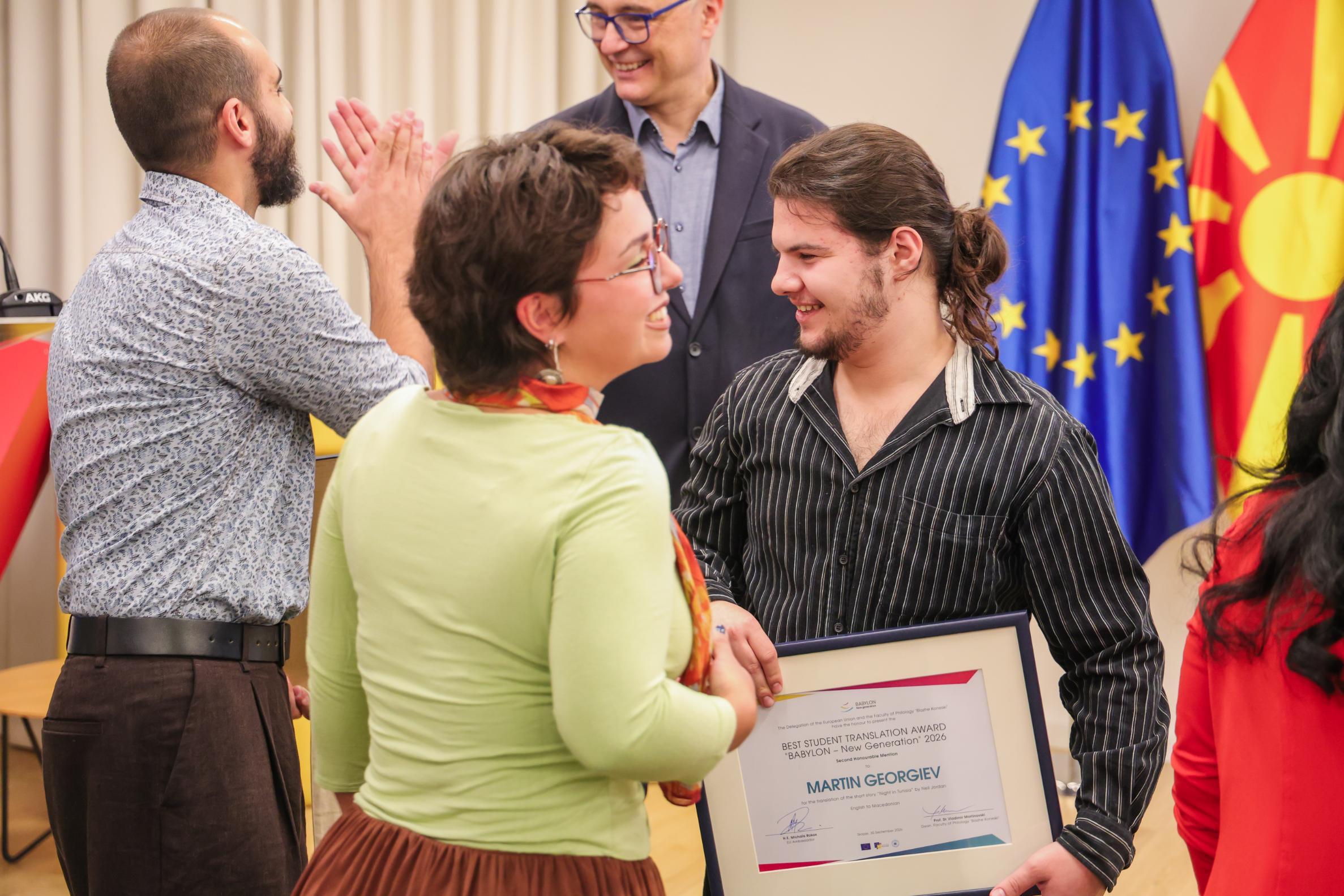
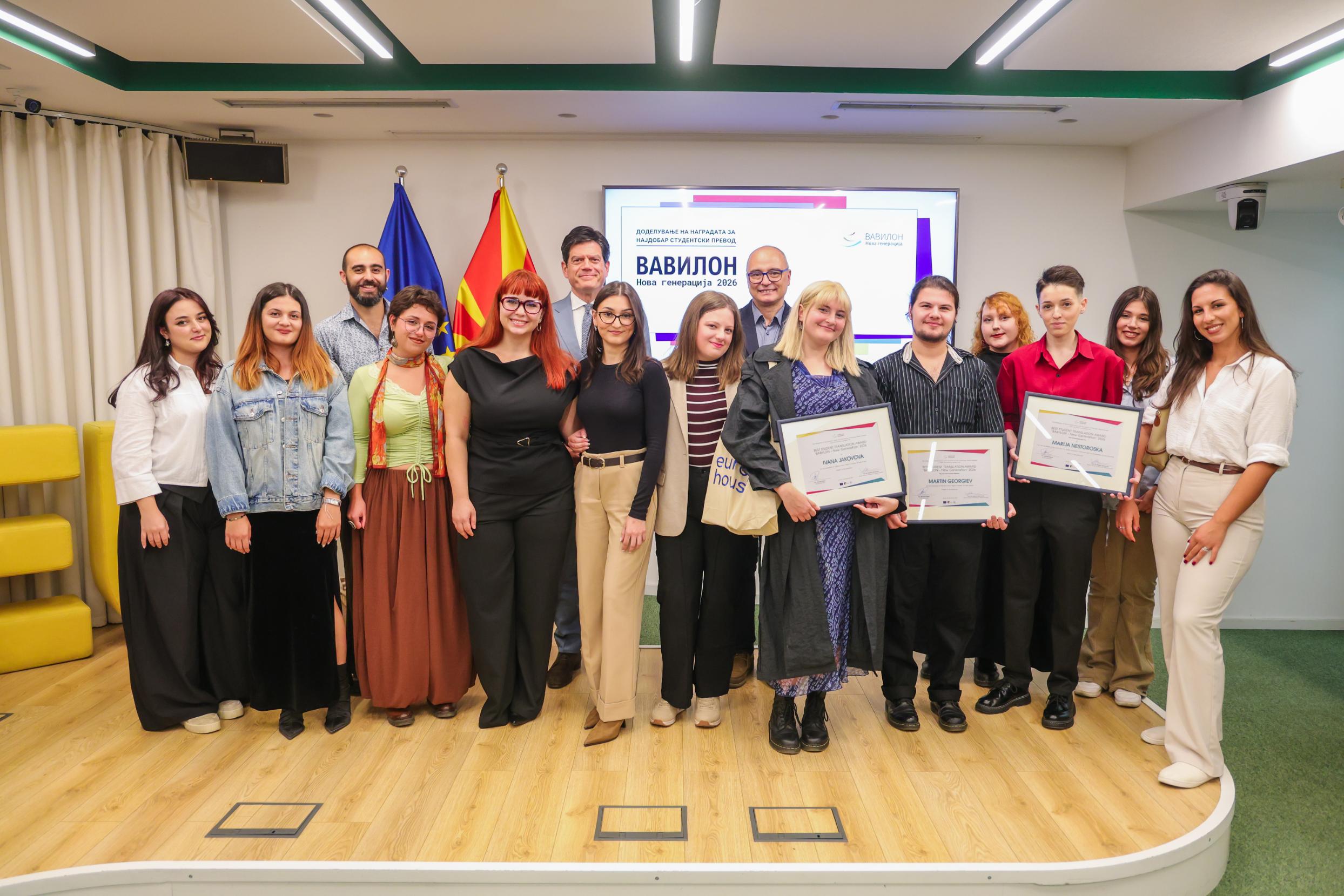
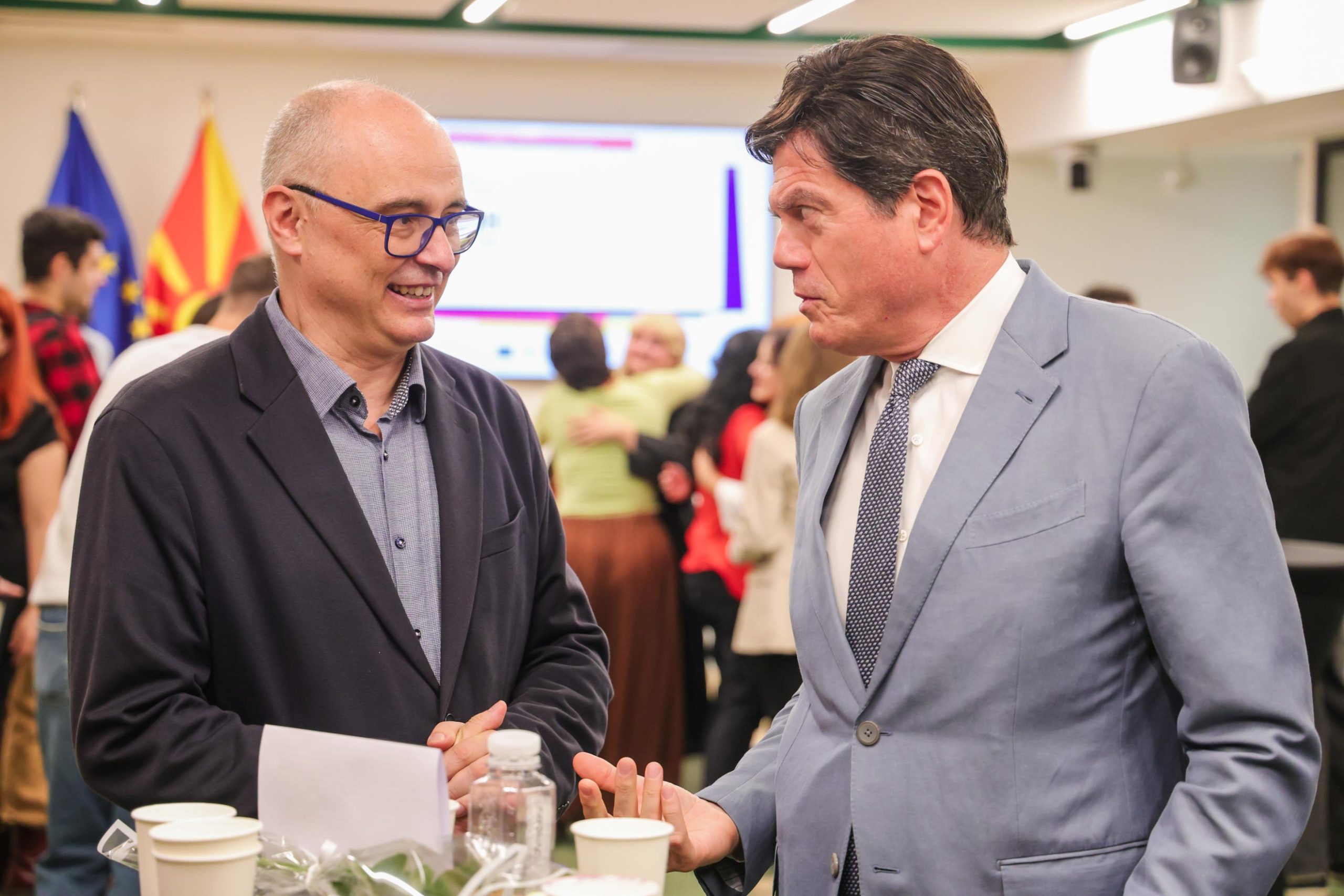
On the occasion of the European Day of Languages, the Babylon – New Generation Award for Best Student Translation 2026 was presented yesterday at Europe House Skopje. The competition is organised by the Delegation of the European Union to North Macedonia in partnership with the “Blaze Koneski” Faculty of Philology in Skopje.

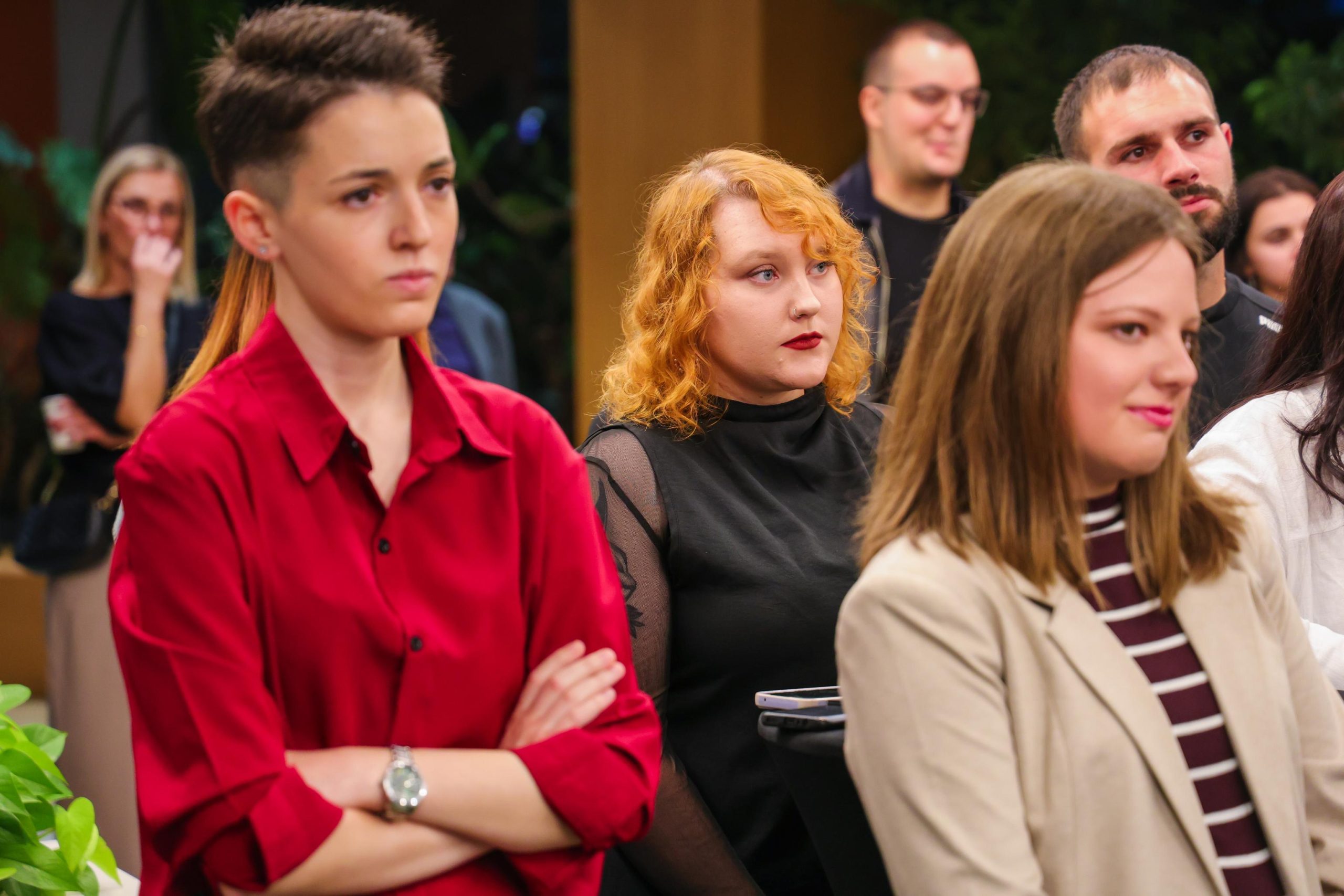
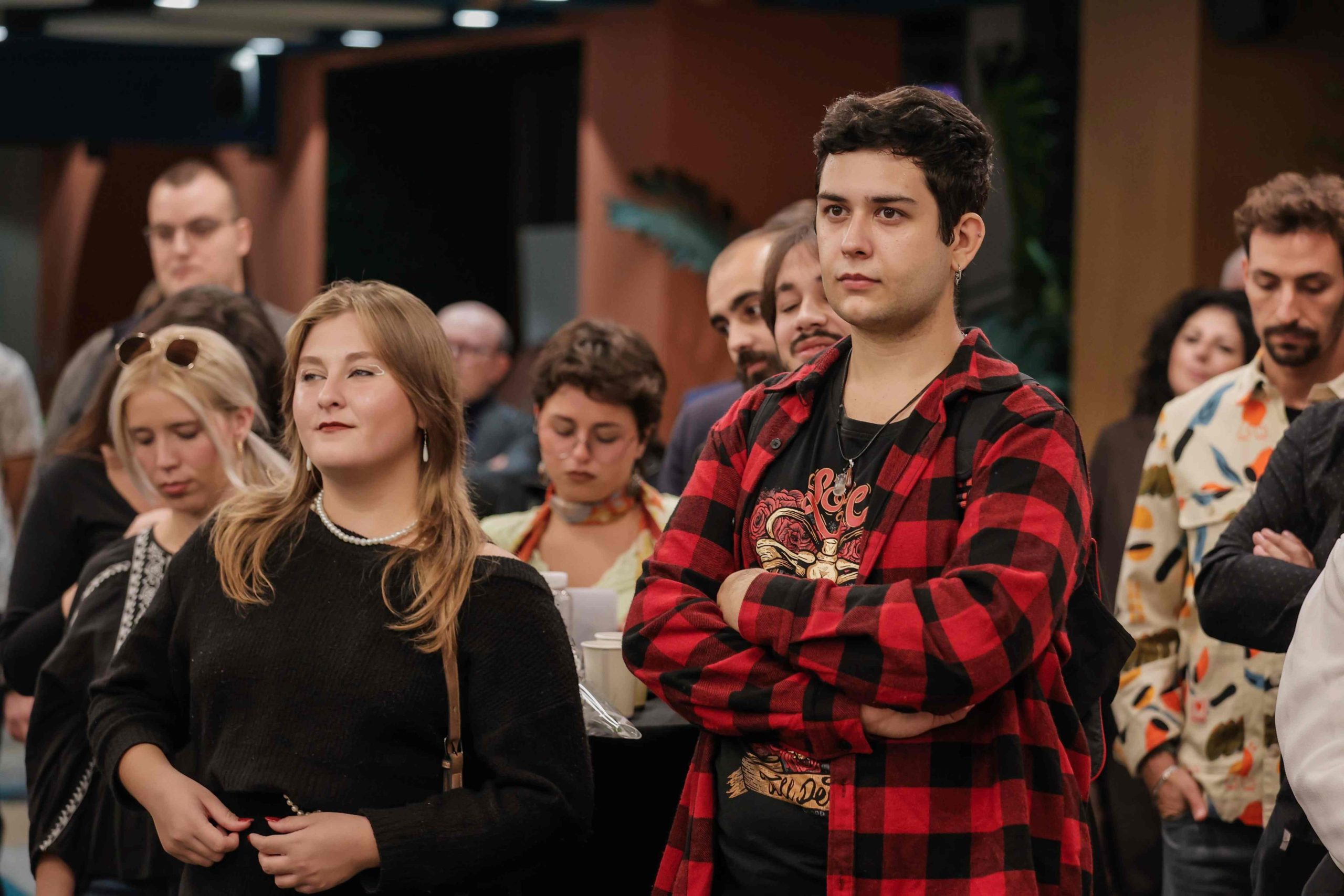
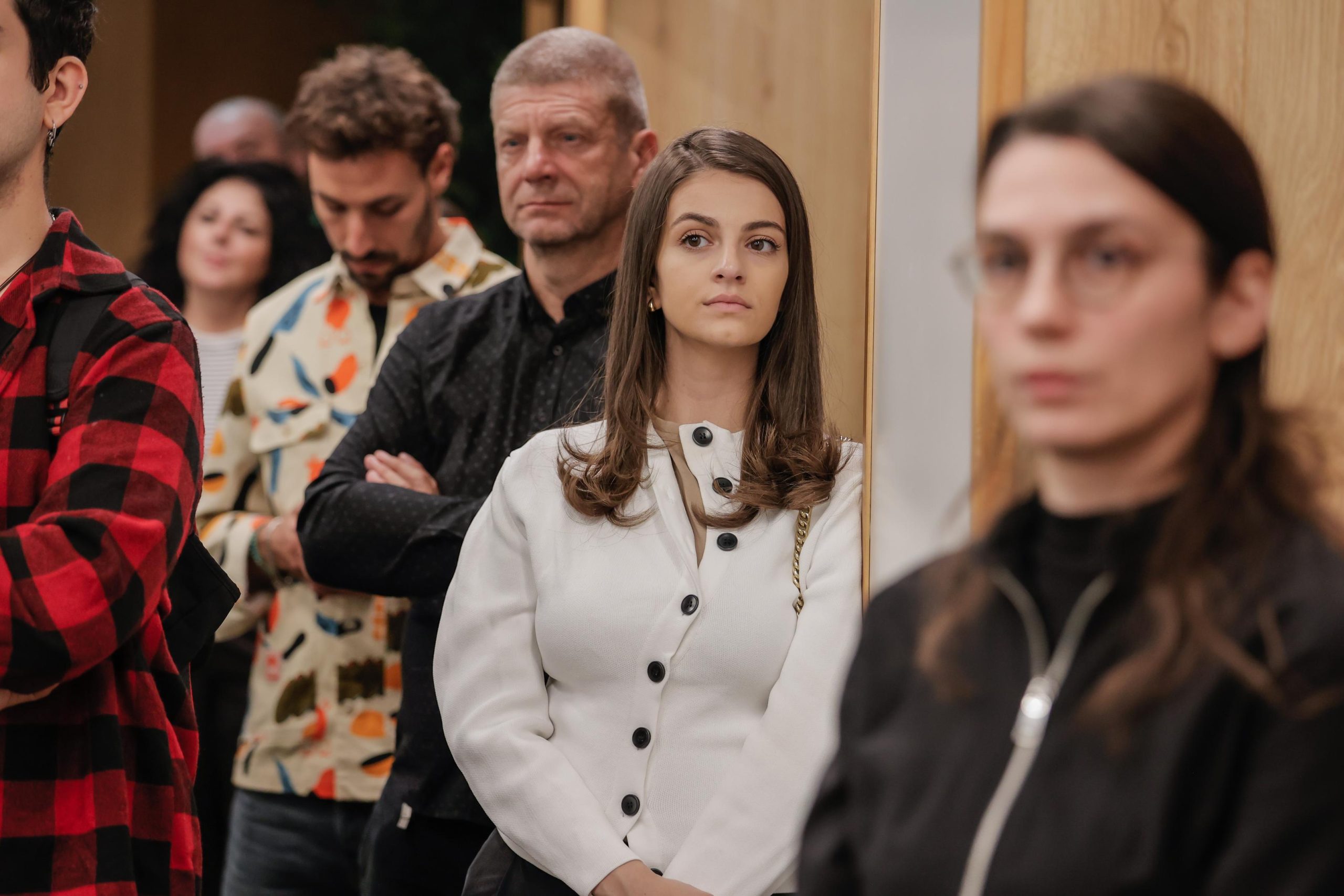
The ceremony brought together emerging translators and leading voices from the literary and academic communities to mark the finale of this year’s competition and celebrate the role of literary translation in promoting linguistic diversity.

And the Best Young Translator of 2026 is…

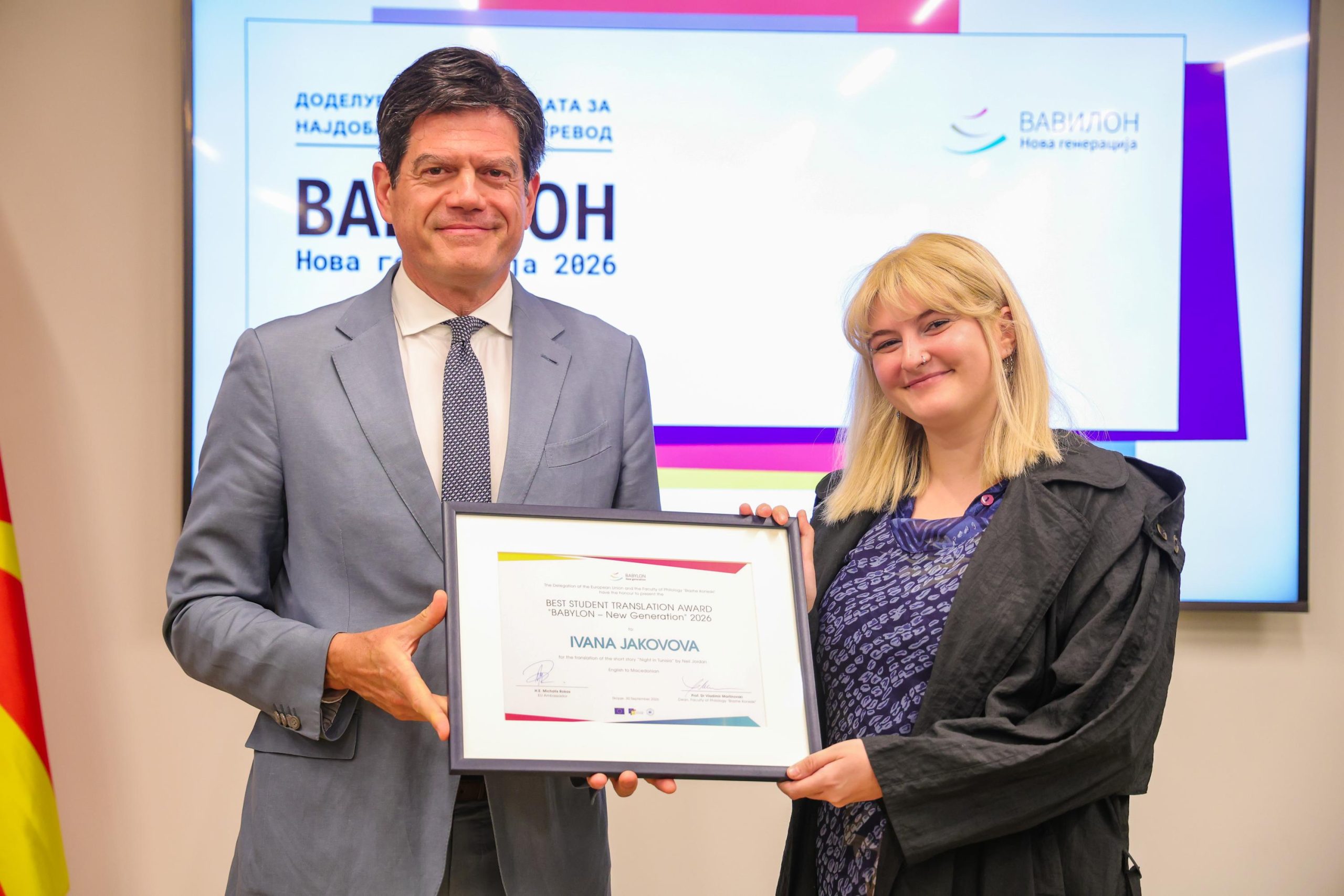
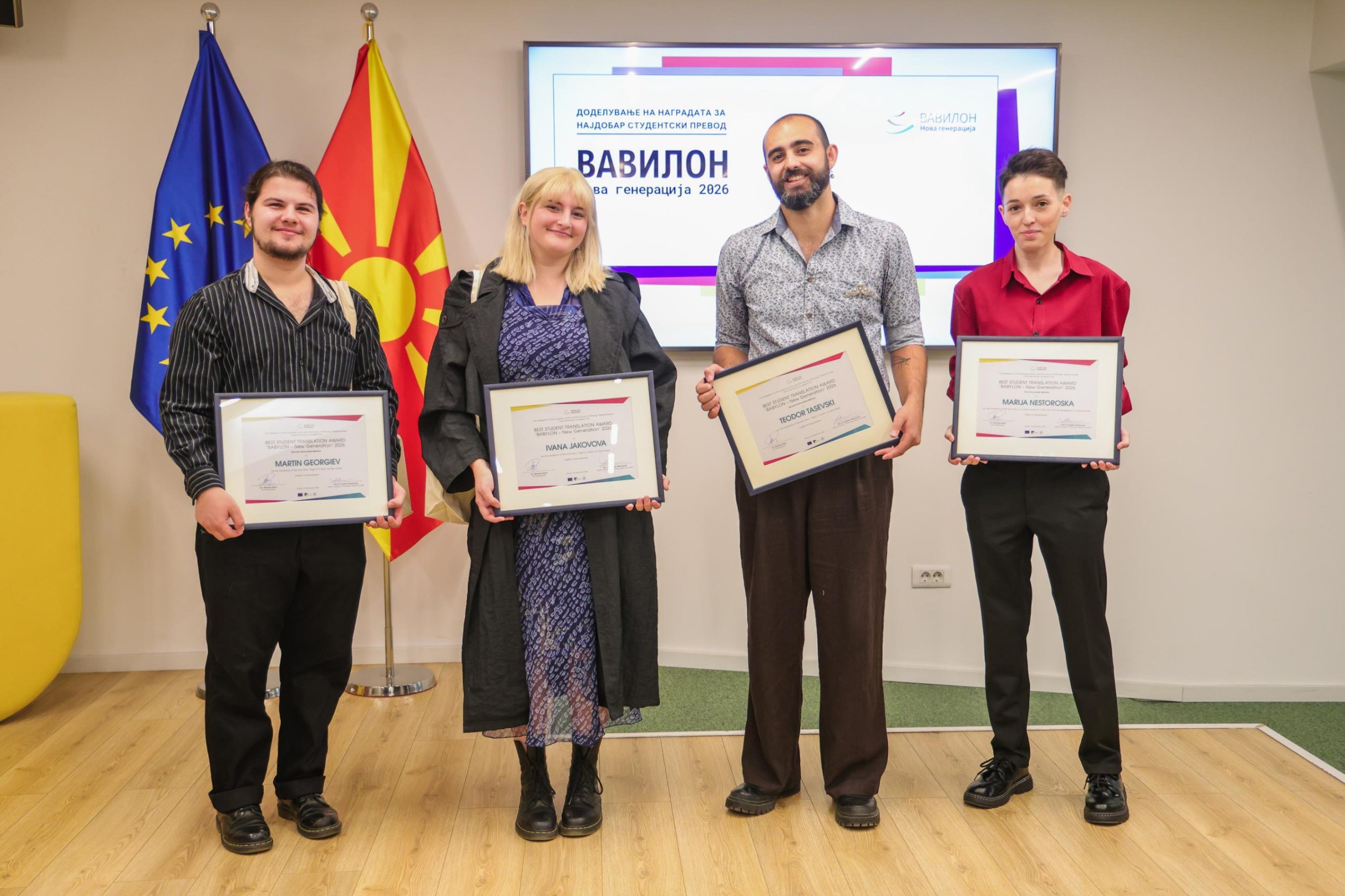
The first prize went to Ivana Jakovova for her translation of Neil Jordan’s short story Night in Tunisia from English into Macedonian. The jury, comprising established translators, university professors and writers, praised her work for its linguistic precision and creativity, as well as its faithful rendering of the author’s voice and style.

The award was presented by European Union Ambassador Michalis Rokas. It includes a study visit to help Ivana further develop her translation skills, as well as the publication of her winning work in the annual collection of the “Blaze Koneski” Faculty of Philology. The recognition marks an important step in her journey as a translator and opens up new opportunities for professional growth.

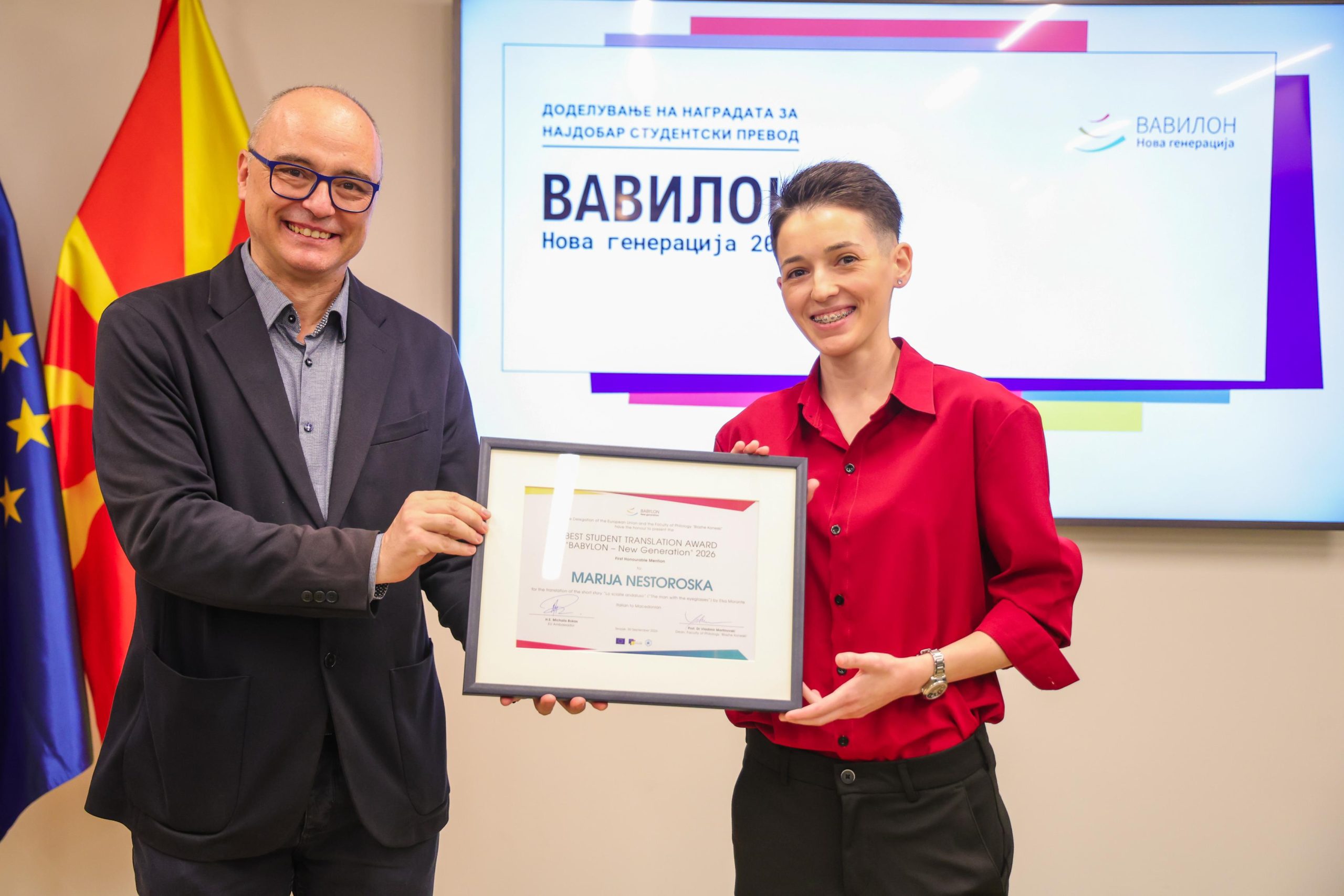
In addition to the main prize, the jury awarded two honourable mentions. The first went to Marija Nestoroska for her translation of Elsa Morante’s short story Lo scialle andaluso (The Man with Glasses) from Italian into Macedonian. The honourable mention was presented by Prof. Dr Vladimir Martinovski, Dean of the “Blaze Koneski” Faculty of Philology.

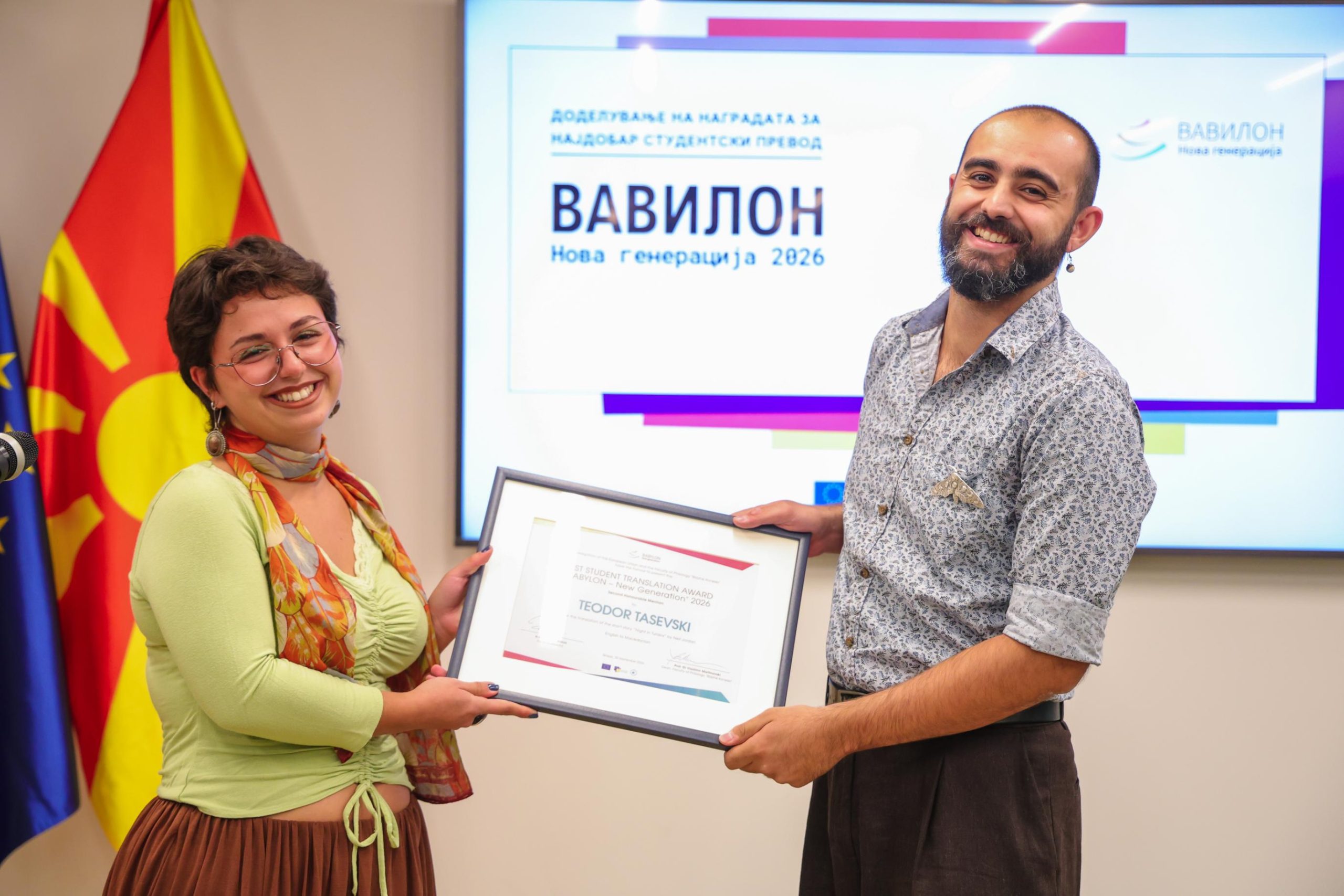
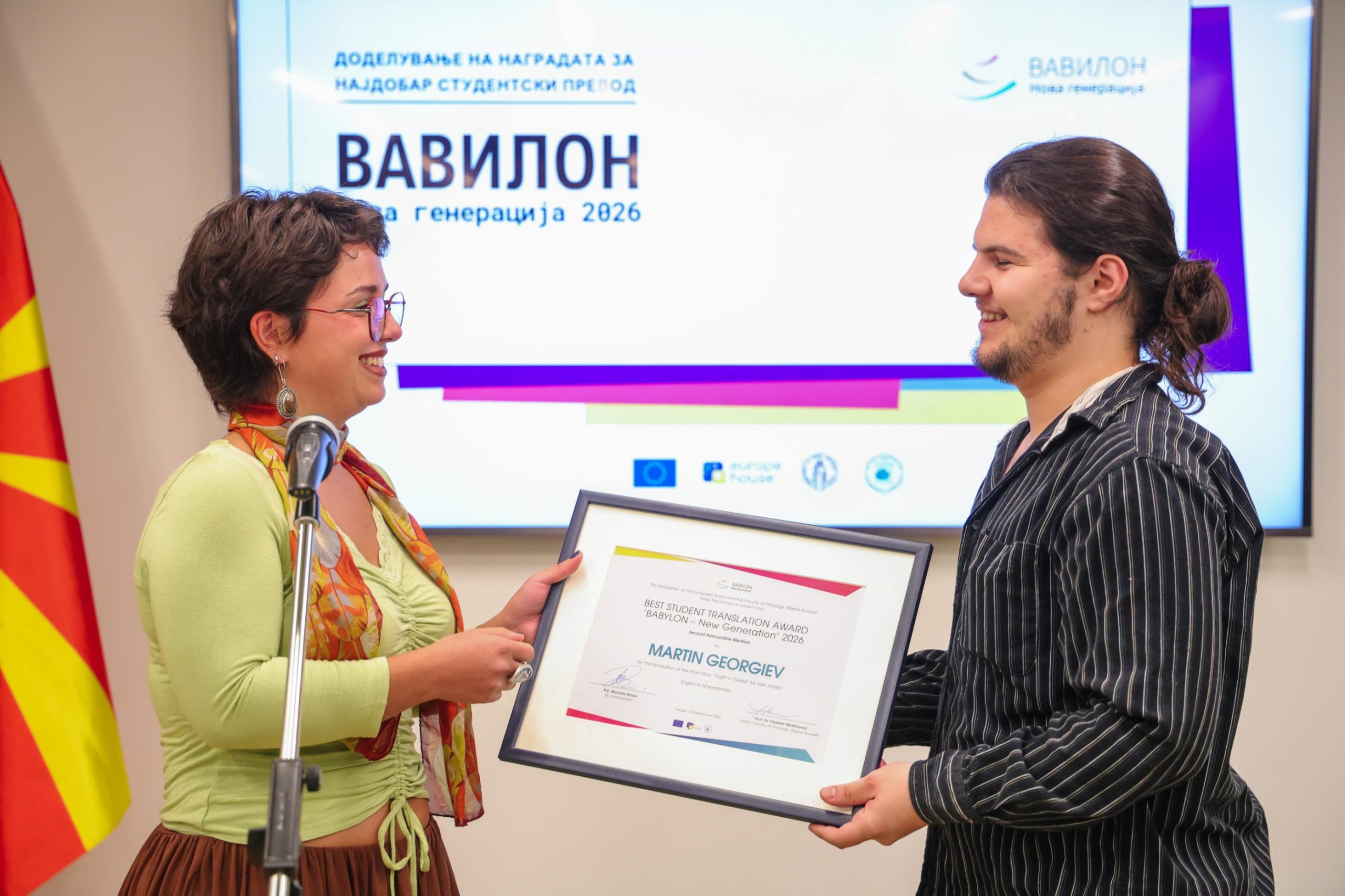
The second honourable mention was shared by Martin Georgiev and Teodor Tasevski for their translations of Neil Jordan’s Night in Tunisia from English into Macedonian.

A Student Literary Translation Residency in Struga

Within the framework of the Babylon – New Generation competition, this year’s student literary translation residency once again brought together aspiring translators to hone their skills under the guidance of experienced mentors. From 23 to 25 April, in Struga, the students worked with Sanja Mihajlovikj Kostadinovska, Eli Pujovska and Dusko Krstevski, who guided them through a carefully designed programme of workshops and sessions exploring different aspects of the translation craft.

The residency gave students an opportunity to develop their practical and professional skills beyond the university classroom, encouraging them to explore new word formations, narrative styles and cultural contexts. Alongside gaining new knowledge and experience, the residency also helped foster new friendships and open up opportunities for future collaboration.

At the end of the residency, participants were assigned a short story to translate from one of the 24 official languages of the European Union into one of the languages spoken in the country, in line with their respective language combinations. The selected stories had not previously been translated into the local languages. The completed translations were then submitted anonymously for consideration for the Best Student Translation Award.

Babylon: Different Languages, One Shared Space for Literature

The Babylon – New Generation competition and student residency are rooted in the ideas of collaboration, intercultural dialogue and literary exchange. Inspired by the myth of the Tower of Babel, in which linguistic diversity is portrayed as both a blessing and a barrier to understanding, the initiative highlights the role of translation as a bridge between languages and cultures.

Through the competition, students have the opportunity to translate previously untranslated literary works while contributing to the preservation and enrichment of linguistic heritage. In doing so, Babylon – New Generation supports emerging translators, promotes high-quality literary translation and creates opportunities for European literature to reach a wider readership.

The next edition of the Babylon – New Generation competition will open for applications in early spring 2027, continuing its support for young translators and their role in bringing languages and cultures closer together.

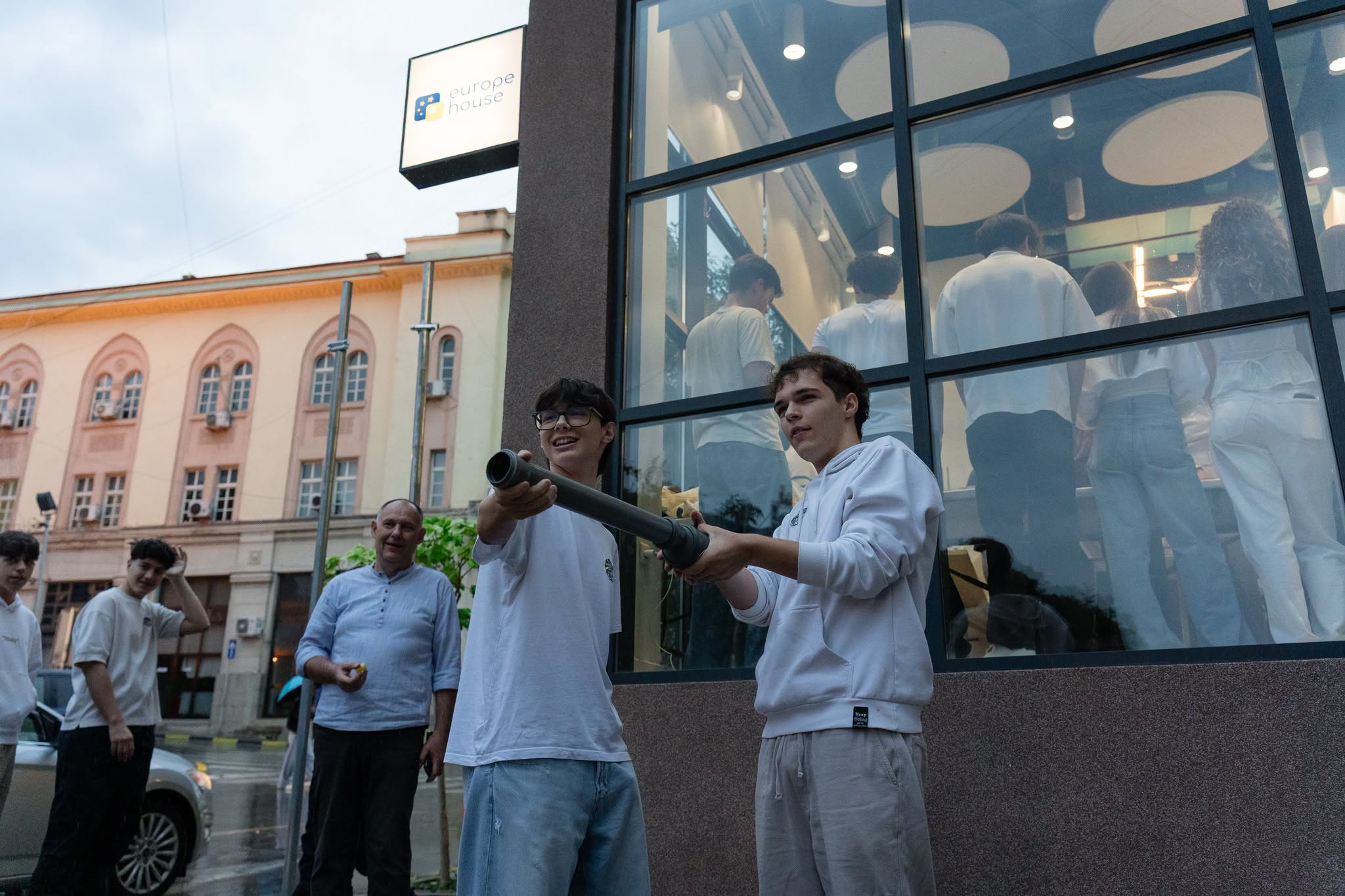
European Researchers’ Night 2026: From Robotics to Botany – Science Opens Its Doors to Everyone

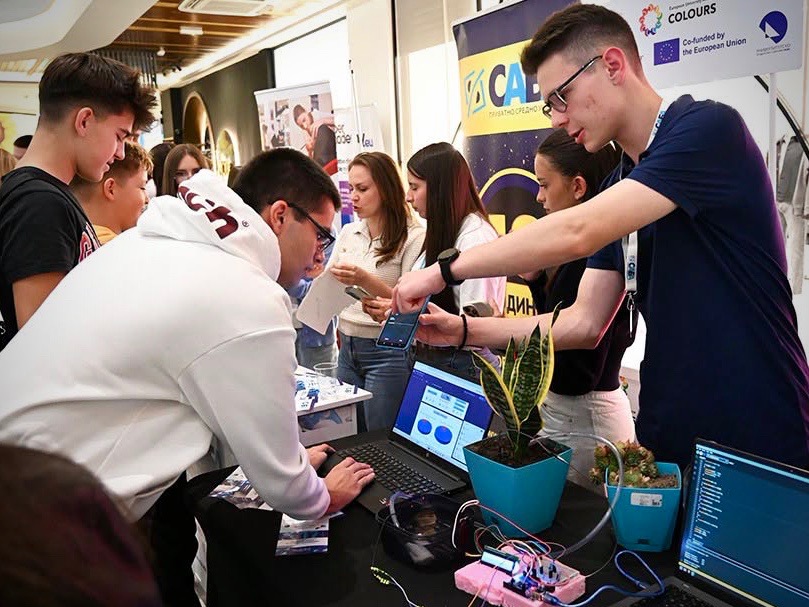
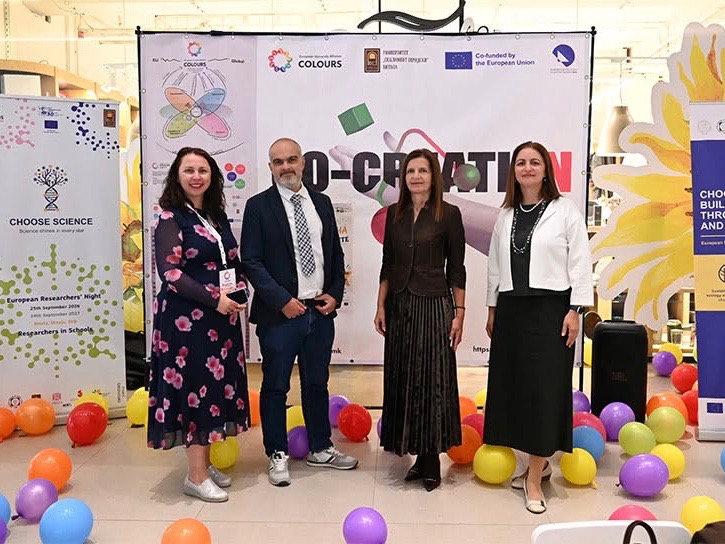
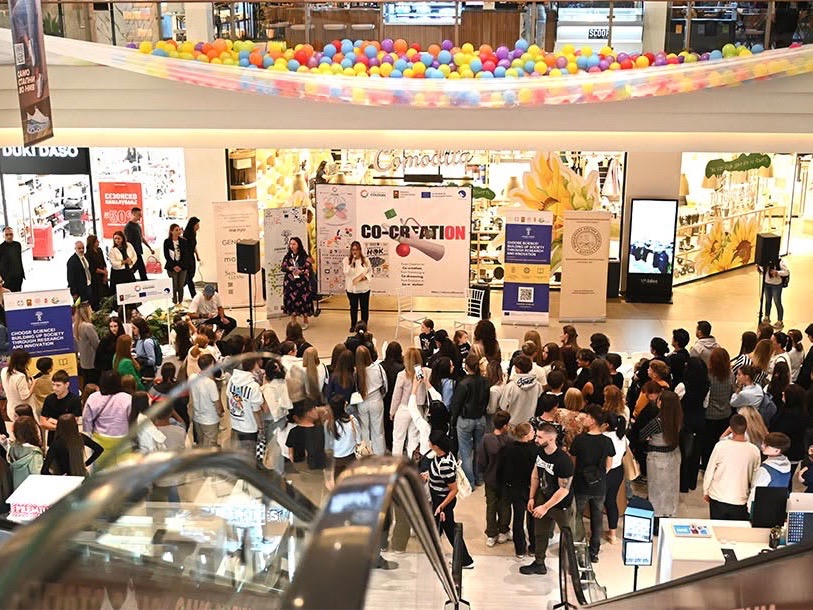
From robotics, artificial intelligence and renewable energy to astronomy, botany and scientific experiments, European Researchers’ Night 2026, held on 25 September, offered more than 85 interactive activities, turning Skopje, Bitola, Štip, Ohrid and other cities into places of exploration, learning and discovery.

European Researchers’ Night is part of a European initiative that brings science closer to the public, creating opportunities to meet researchers in person and learn about their work. This year, through workshops, scientific demonstrations, exhibitions, public lectures, laboratory visits and interactive games, visitors had the opportunity to ask questions, experiment and discover how scientific research affects everyday life.

The Europe House network also joined the initiative in support of its overall goals, creating additional opportunities through its centres across the country for young people and the wider public to discover the world of science and experience it in a different, more interactive way.

The events were organised as part of the CHOOSE SCIENCE – “Building Society through Research and Innovation” project, supported by the European Union through the Horizon Europe programme and the Marie Skłodowska-Curie Actions (MSCA). The project is coordinated by Ss. Cyril and Methodius University in Skopje (UKIM), with the participation of the Macedonian Academy of Sciences and Arts (MANU), St. Kliment Ohridski University – Bitola (UKLO), Goce Delčev University – Štip (UGD), the Macedonian Ecological Society (MES) and other partners.

Skopje: From Robotics and Artificial Intelligence to Botany and Astronomy

In Skopje, UKIM’s faculties opened their laboratories and classrooms to visitors, offering a glimpse into the world of contemporary research.

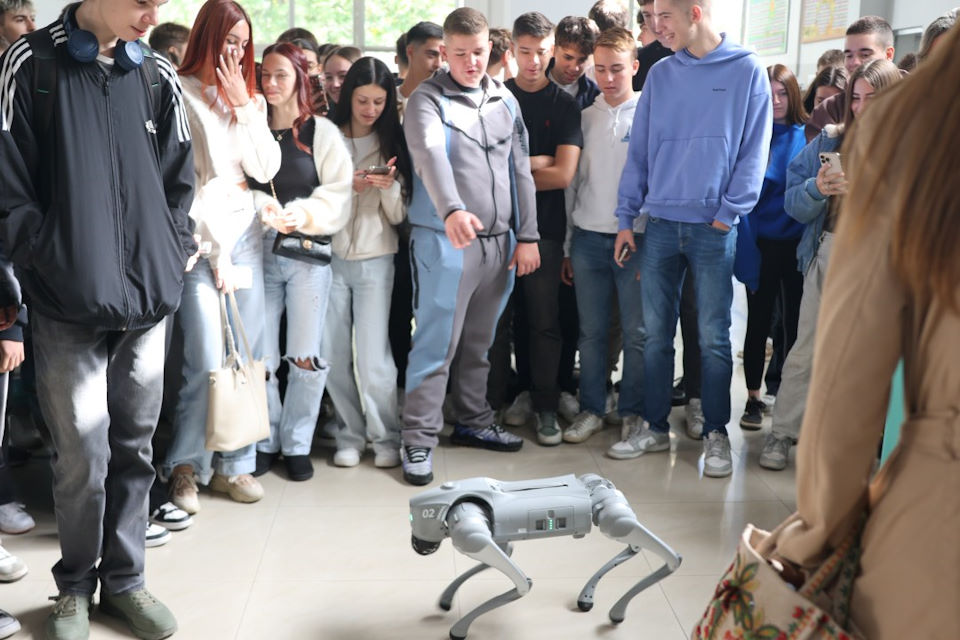
At the Technical Campus, the Faculty of Mechanical Engineering showcased the potential of mechatronics, industrial robotics, automation and production engineering. Through workshops and demonstrations, visitors also explored industrial design, motor vehicles, engineering materials and welding technologies. The Project Hub exhibition put student projects and creative engineering solutions in the spotlight, while the EU Corner highlighted European support for science and innovation in engineering.

The Faculty of Electrical Engineering and Information Technologies (FEIT) brought energy science and modern digital technologies closer to the public. Topics included renewable electricity generation, Power-to-X technologies, machine learning and computer architectures. At the Faculty of Computer Science and Engineering (FINKI), the focus was on digital transformation, artificial intelligence and cybersecurity, with a panel discussion and presentations dedicated to research and innovation projects.

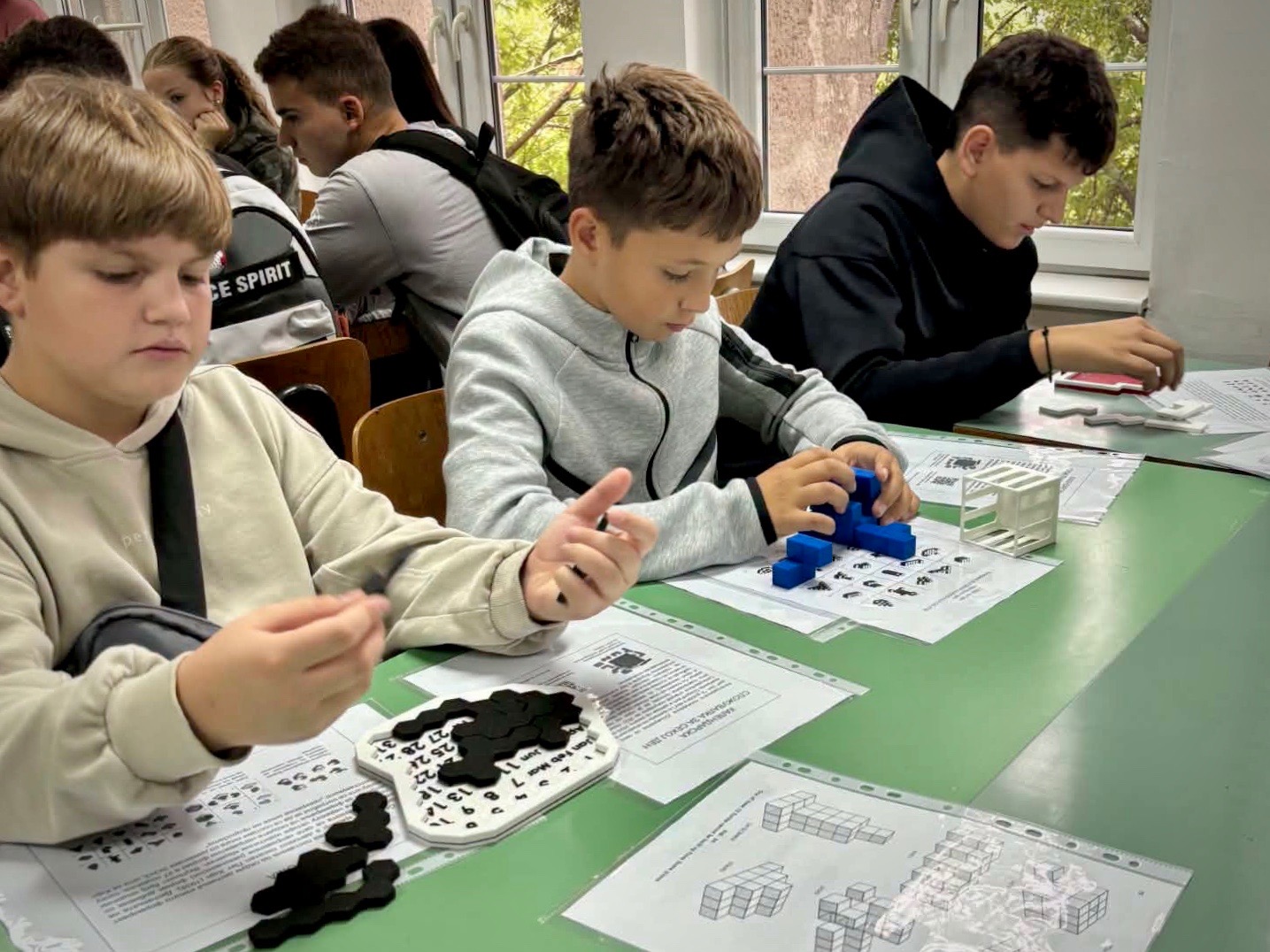
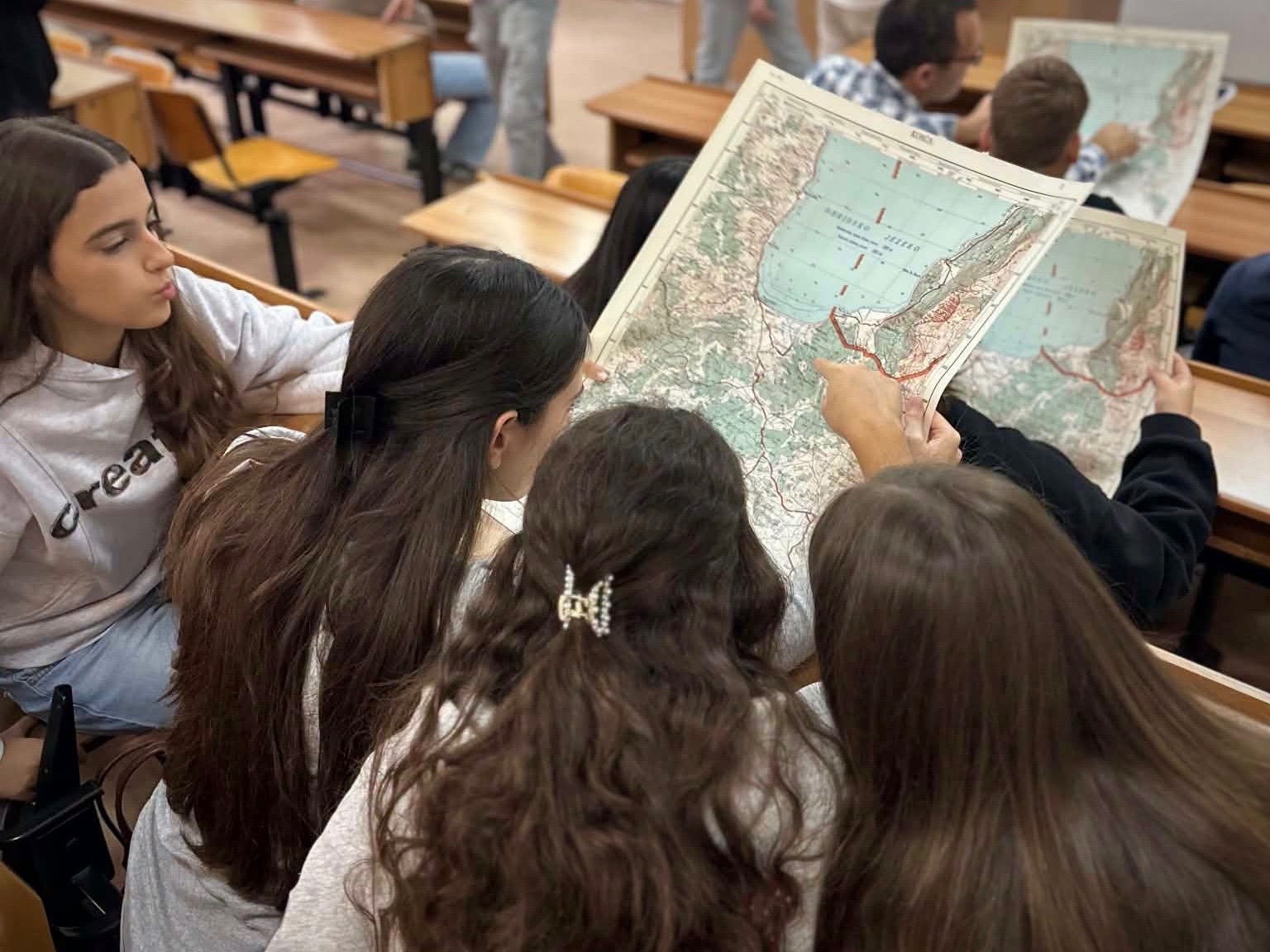
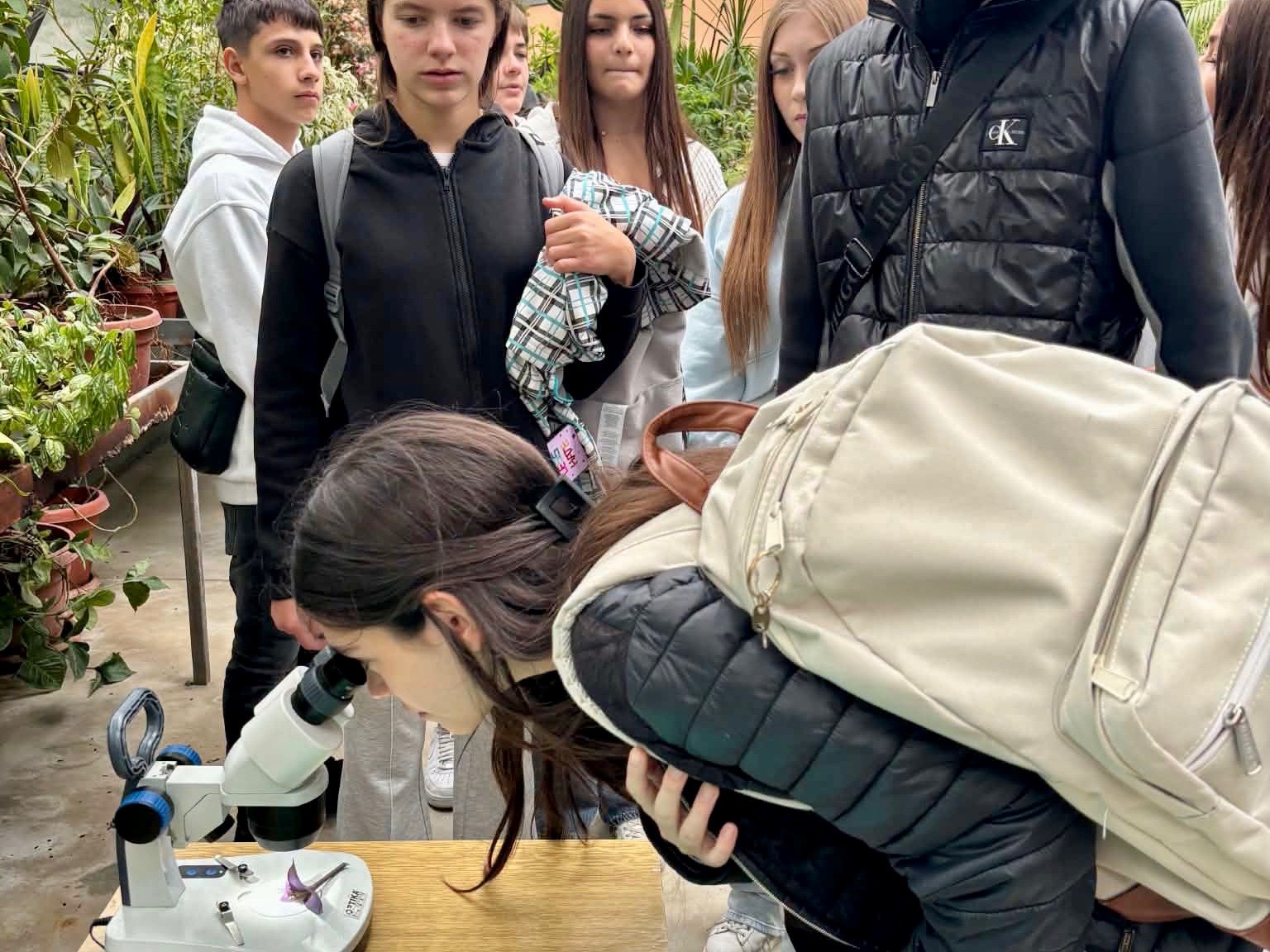
Curious visitors also had the opportunity to explore the natural sciences. The Faculty of Natural Sciences and Mathematics (PMF) opened its Botanical Garden, Creative Mathematics Laboratory and Seismological Observatory to visitors, while also introducing them to geospatial platforms such as Google Maps, Google Earth Pro and QGIS. Data science and its applications in business were explored through an interactive workshop at the Faculty of Economics entitled “Disruptions Can Be Fun – Discover What the Numbers Hide with Business Analytics.”

Bitola: Science Through Time, Art and the Starry Sky

Bitola was one of the main centres of this year’s event, with a rich programme organised by St. Kliment Ohridski University (UKLO) in cooperation with COLORS. The activities began on 24 September at Bliss Mall, where visitors took part in a scientific treasure hunt. Certificates were also awarded to around 40 secondary school students and their mentors for their works on the theme of “Metamorphosis”, created as part of the “Roots and Wings” competition.

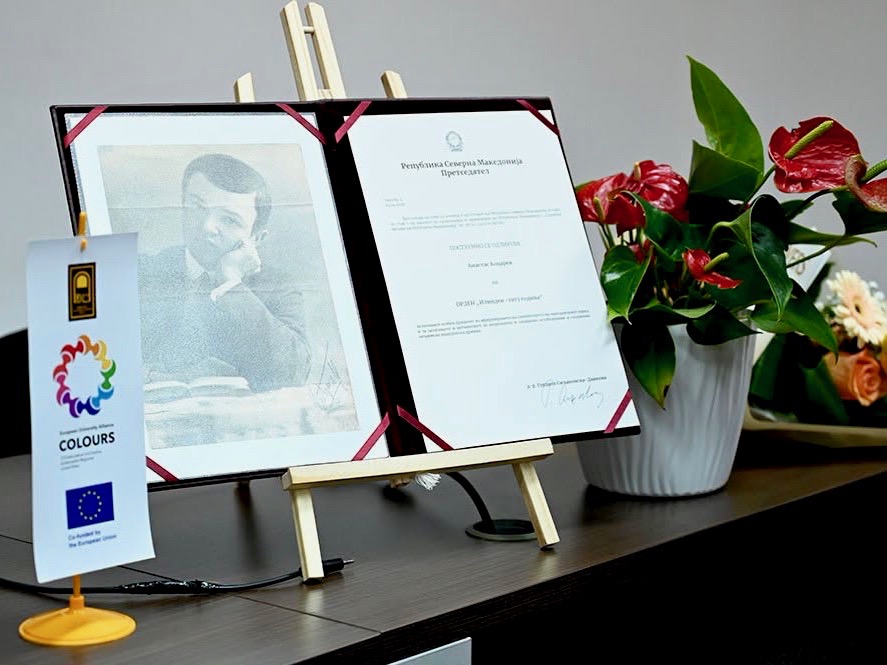
The main event on 25 September took place at the St. Kliment Ohridski University Library in Bitola. A special place in the programme was reserved for a tribute to Dr Anastas Kocarev, a Macedonian scientist and pioneer in radiology and oncology, also known for his collaboration with Marie Curie. Revisiting his scientific legacy offered an opportunity to highlight the importance of researchers whose discoveries pave the way for future generations.

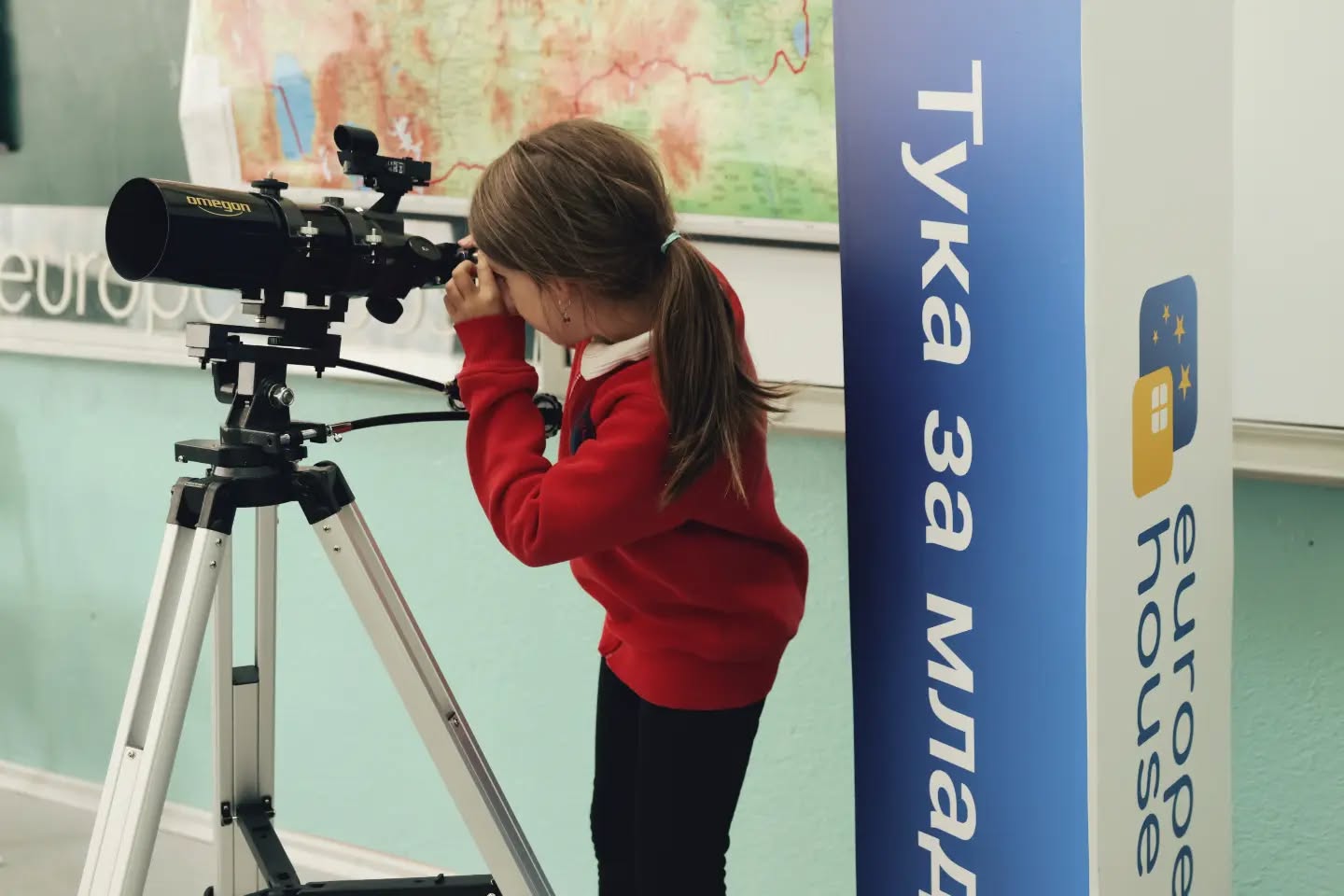
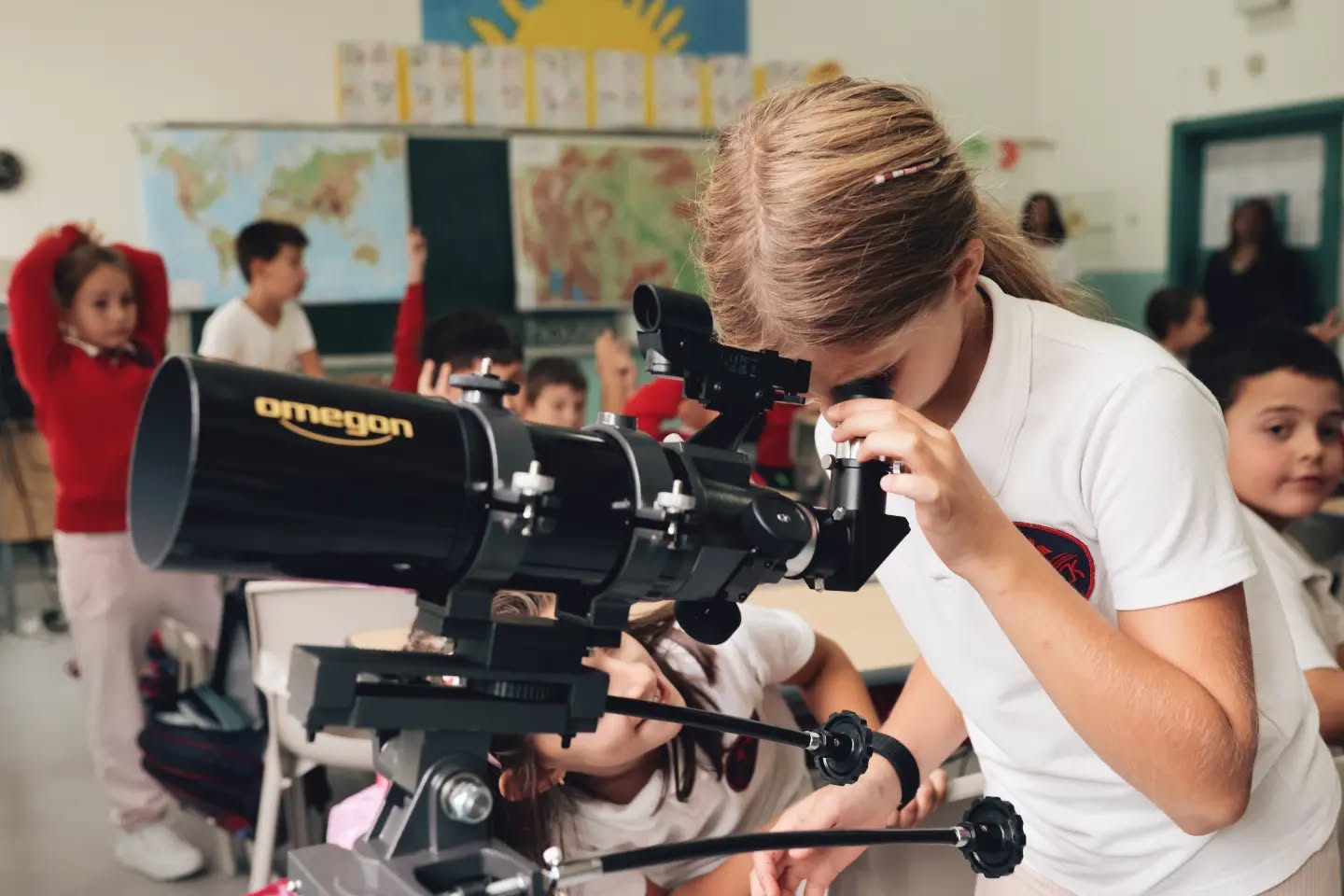
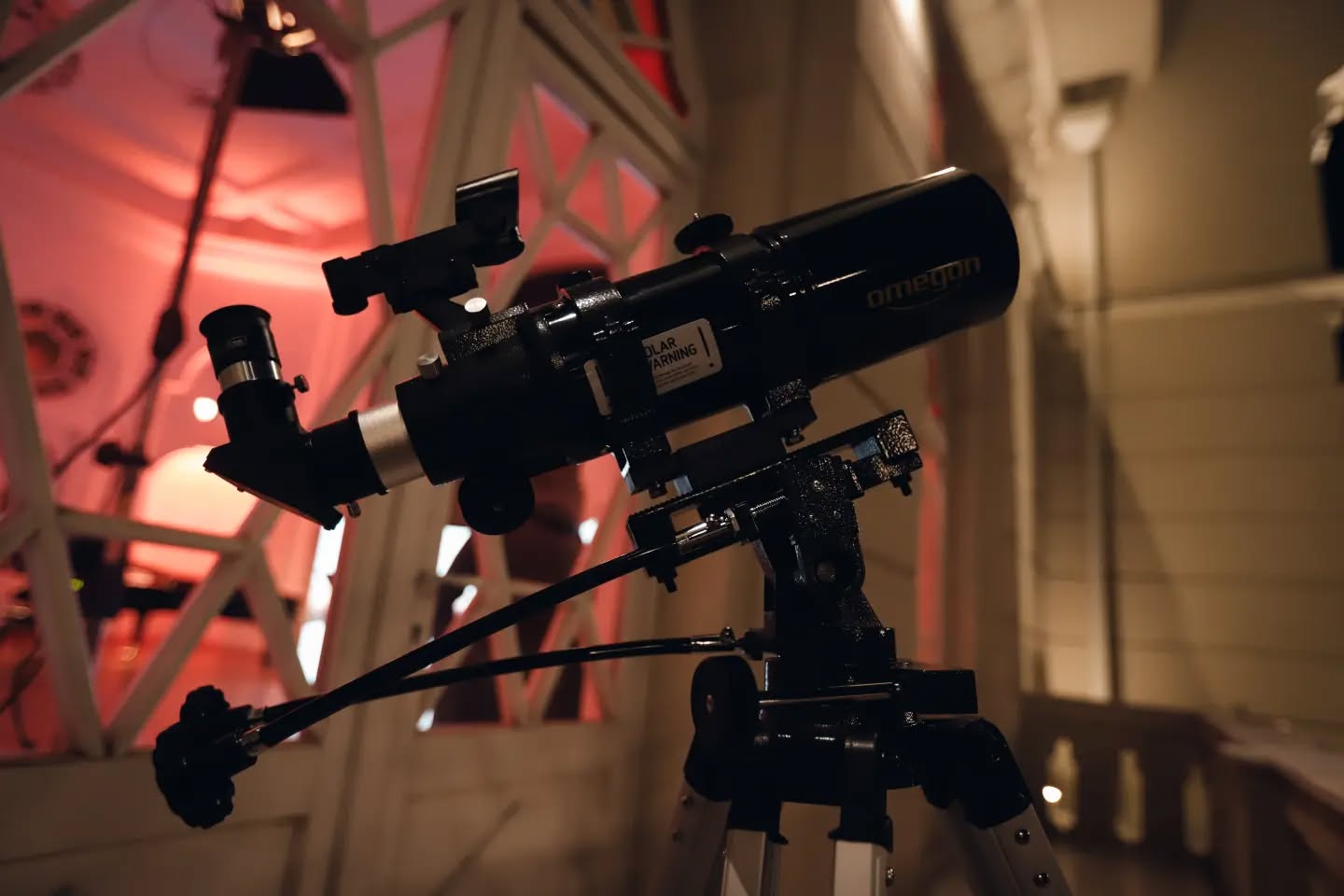
Europe House Bitola also joined the programme, inviting visitors to explore the universe from a different perspective. Through telescope observations, participants had the opportunity to learn how astronomers study celestial bodies, make precise measurements and discover distant worlds. A single encounter with the starry sky was enough to inspire new questions and spark an interest in astronomy.

Štip: Open Laboratories and Science Under the Stars

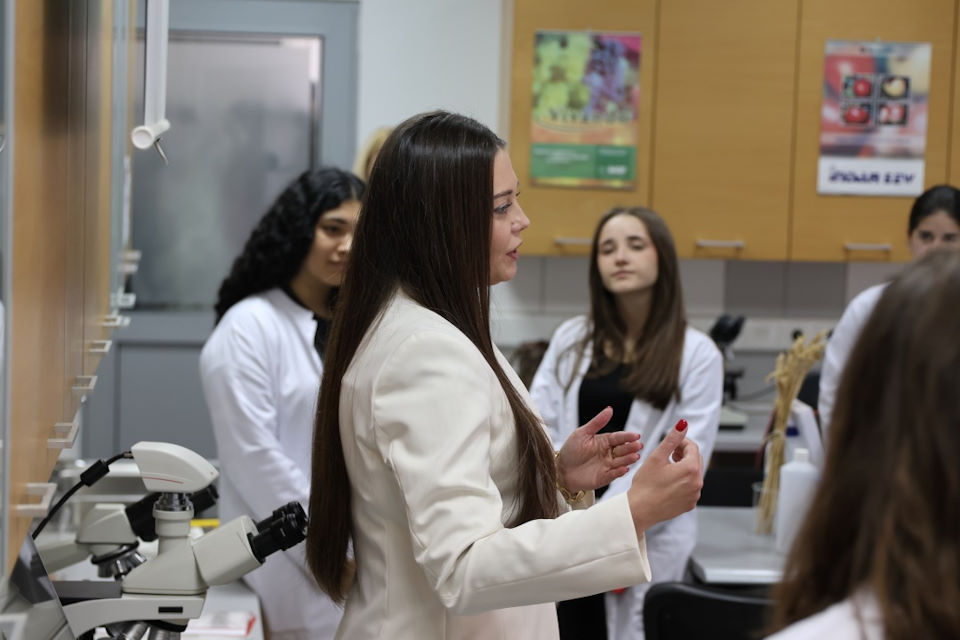
In Štip, Goce Delčev University opened its laboratories to secondary school students and all interested members of the public. Visitors had the opportunity to learn about ongoing research and explore different scientific fields through presentations by university professors.

The programme also included debates and expert lectures, culminating in the multimedia event “Art and Science Under the Stars”, held at the Jordan Mijalkov Sports Hall. Bringing science and art together offered a different way to experience research, demonstrating how creativity can also spark curiosity.

Ohrid: Scientific Conferences, Workshops, Lab Observations and Experiments

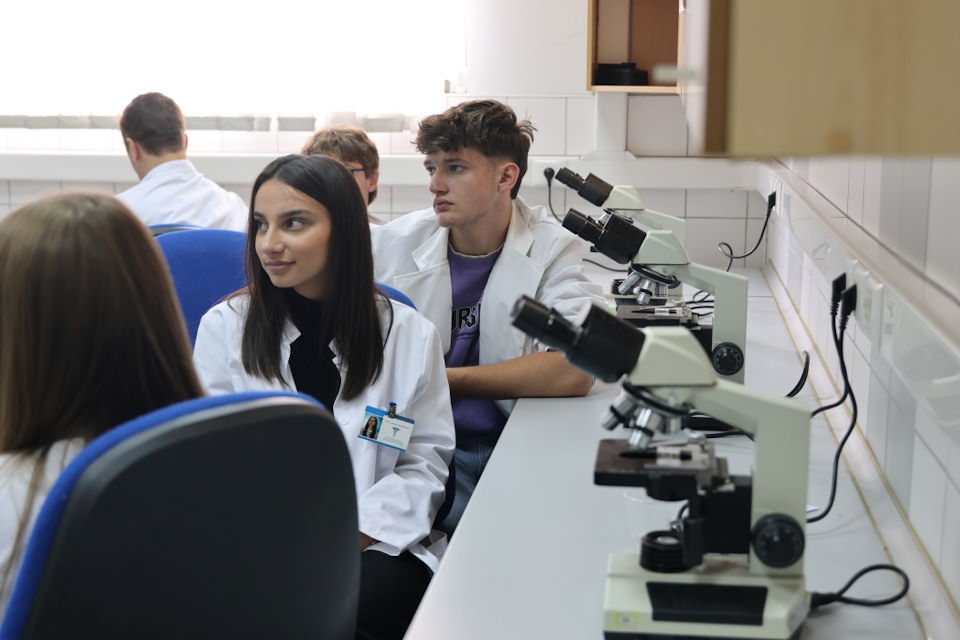
In Ohrid, European Researchers’ Night was also marked by scientific conferences and interactive workshops. On 25 and 26 September, conferences organised by the Society of Chemists and Technologists of Macedonia and the Physics Society of Macedonia took place, featuring an open poster session, experimental demonstrations and interactive activities for students. At the Hydrobiological Institute, the workshop “Living Organisms and Their Environment” gave participants the opportunity to explore aquatic habitats through laboratory activities and microscopic observations, discovering how water conditions affect living organisms and their adaptation to the environment.

Veles: When Science Becomes a Mystery to Solve

At Europe House Veles, science turned into a real investigation for European Researchers’ Night. Three teams, three scientific mysteries and one mission: to find out what really happened.

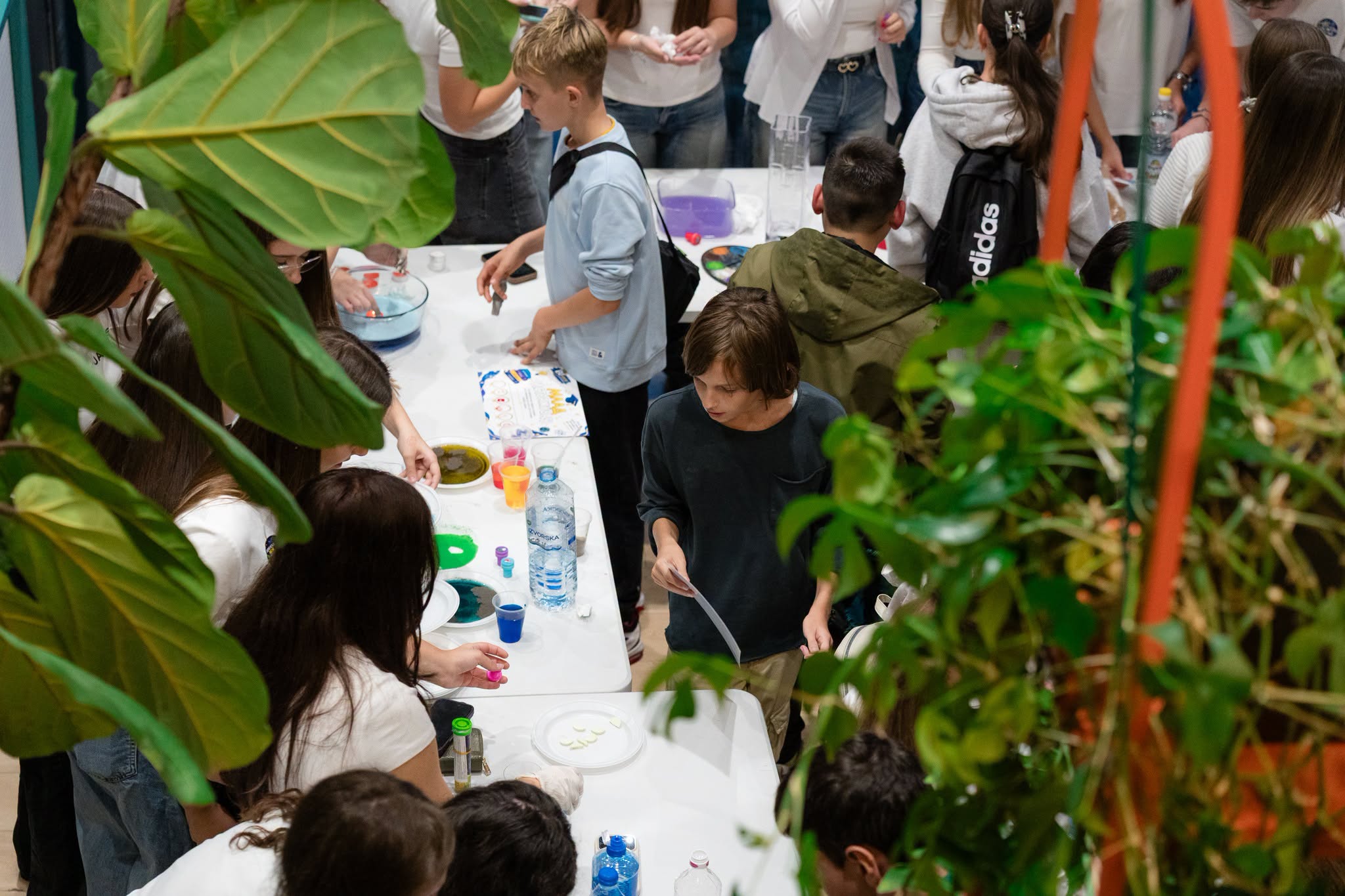
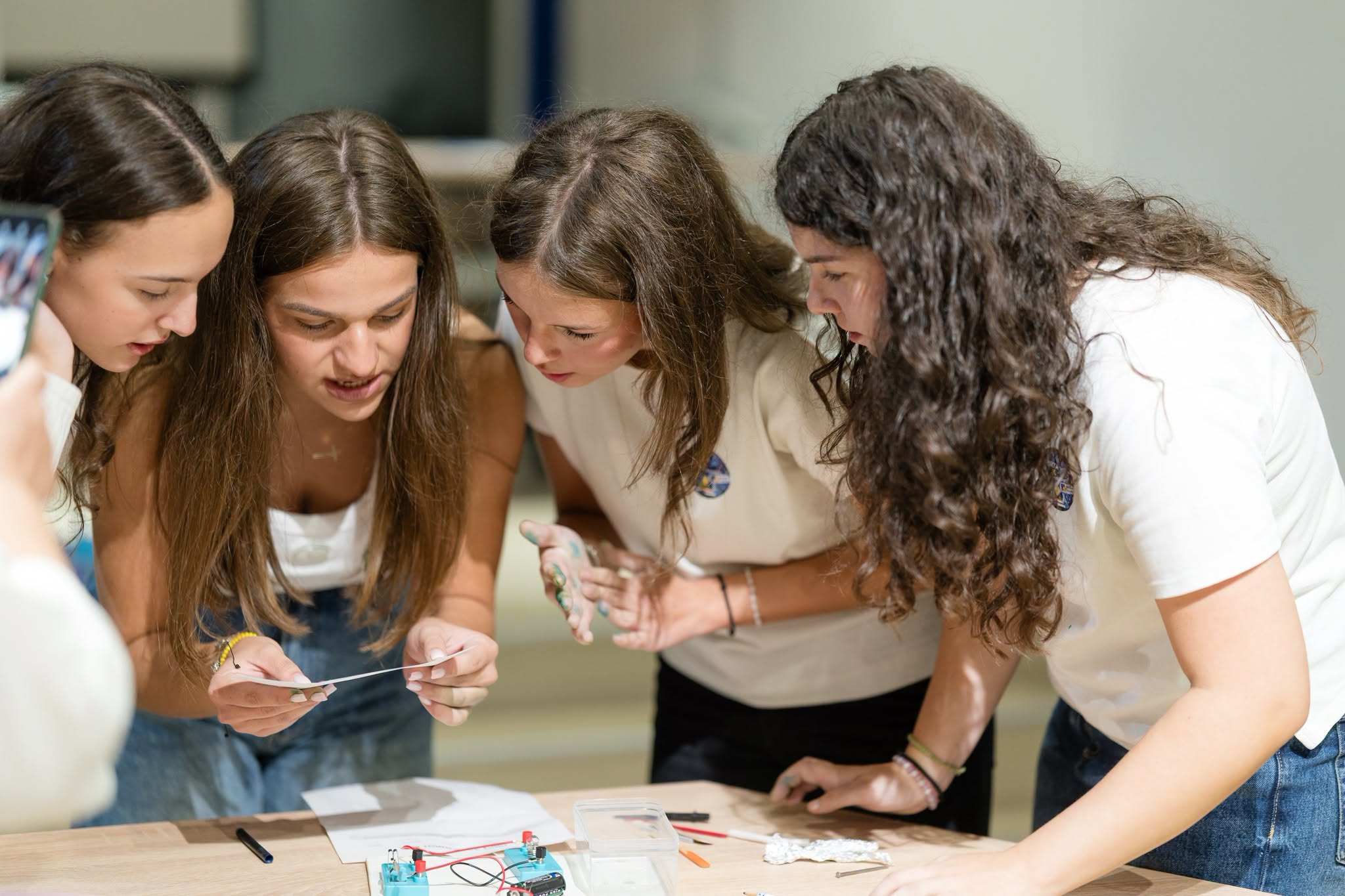
In collaboration with “St. Cyril and Methodius” Secondary School – Negotino, the young researchers examined evidence, conducted experiments in chemistry, biology and physics, connected the clues and, step by step, arrived at the final solution.

In this unusual scientific investigation, teachers took on the role of mentors, guiding the young researchers through the experiments while encouraging their curiosity, teamwork and desire to explore.

Strumica: Science as a Game and Team Challenge

Europe House Strumica also joined European Researchers’ Night, organising a science trail in cooperation with Strumica’s primary and secondary schools. The science stations were presented by secondary school students and their mentors, who used experiments to give visitors a firsthand look at scientific principles in action.

For those looking for an extra challenge, there was also the Escape Room: “The Mad Scientist’s Laboratory.” Divided into teams, the young scientists put their logic, speed and teamwork to the test as they tried to solve puzzles and escape the laboratory.

Science Is for Everyone

From taking their first steps into the world of robotics to observing distant stars, European Researchers’ Night showed that science knows no boundaries of age, knowledge or profession. It is a space for asking questions, experimenting, exchanging ideas and discovering things that may once have seemed beyond our reach.

With free activities open to everyone, the event offered students, parents, teachers, researchers and entrepreneurs an opportunity to engage with science in a hands-on and enjoyable way. At the same time, by revisiting scientific heritage and showcasing contemporary research, it sent a strong message about the importance of science in building society.

Because science is not just something we learn from textbooks – it is something we explore, experience and share. And every new discovery begins with curiosity and a single question.

 

Planting Hope: An Inclusive Garden in Kochani, a Symbol of Solidarity and Care for One Another

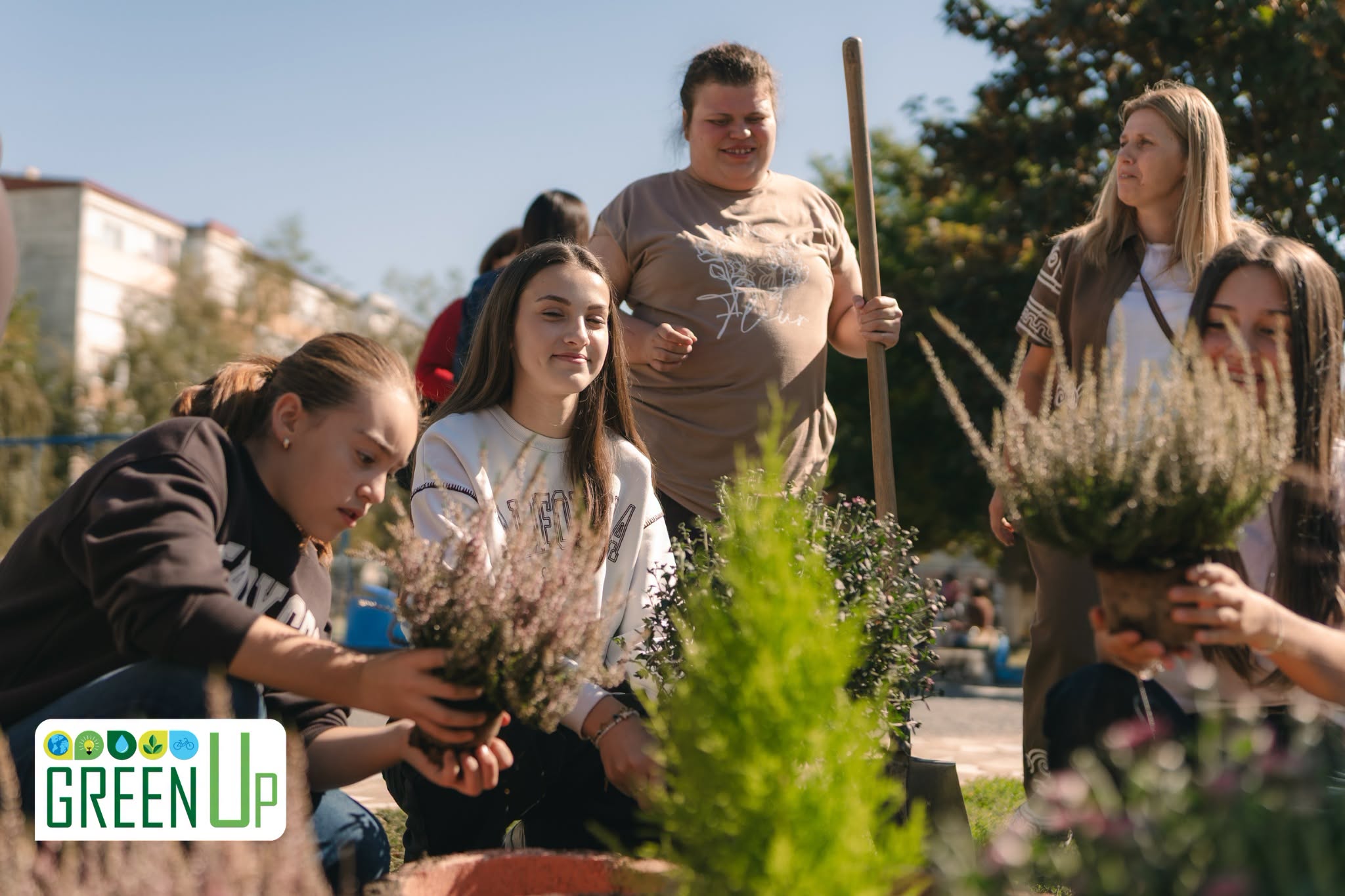
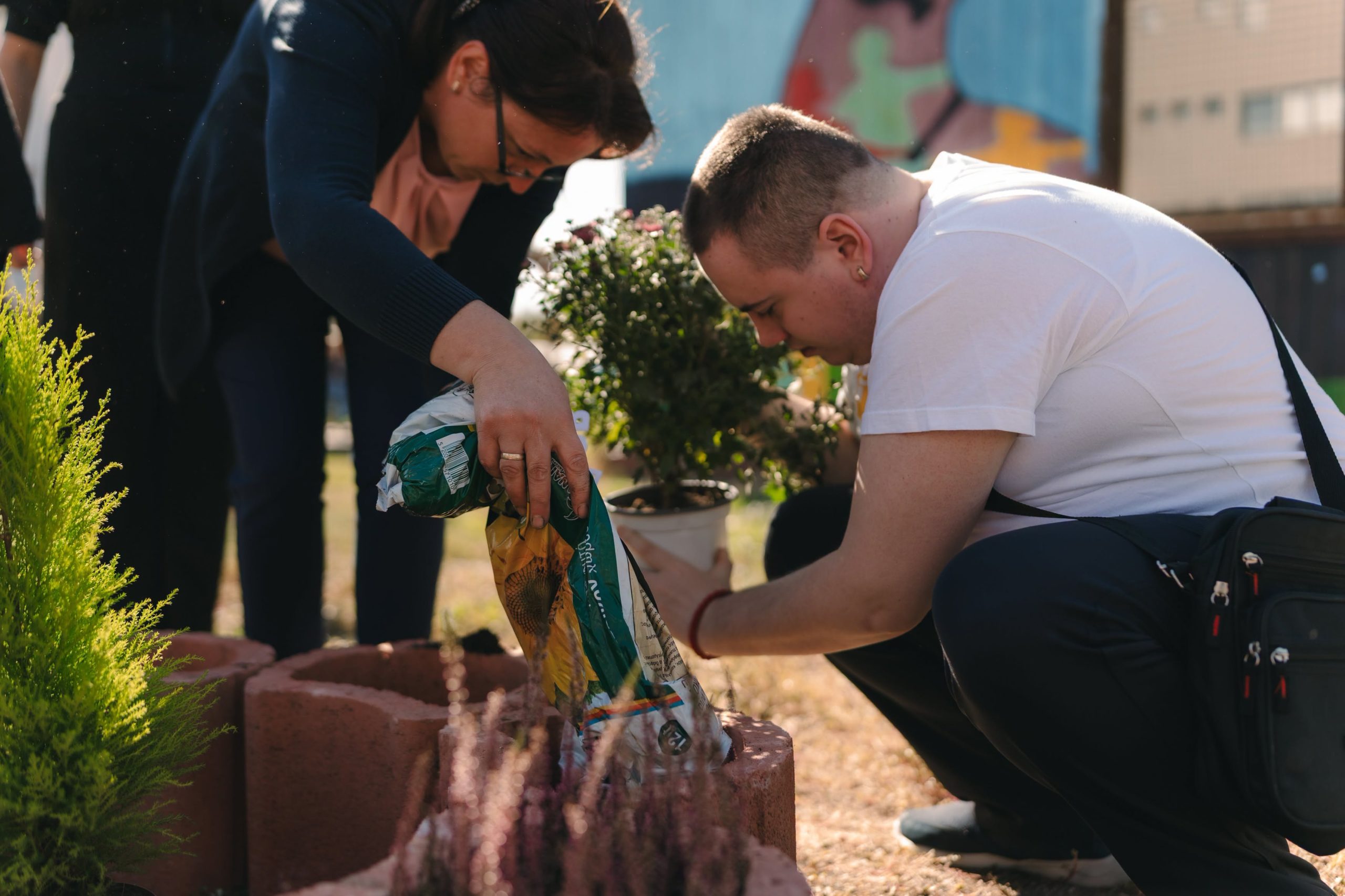
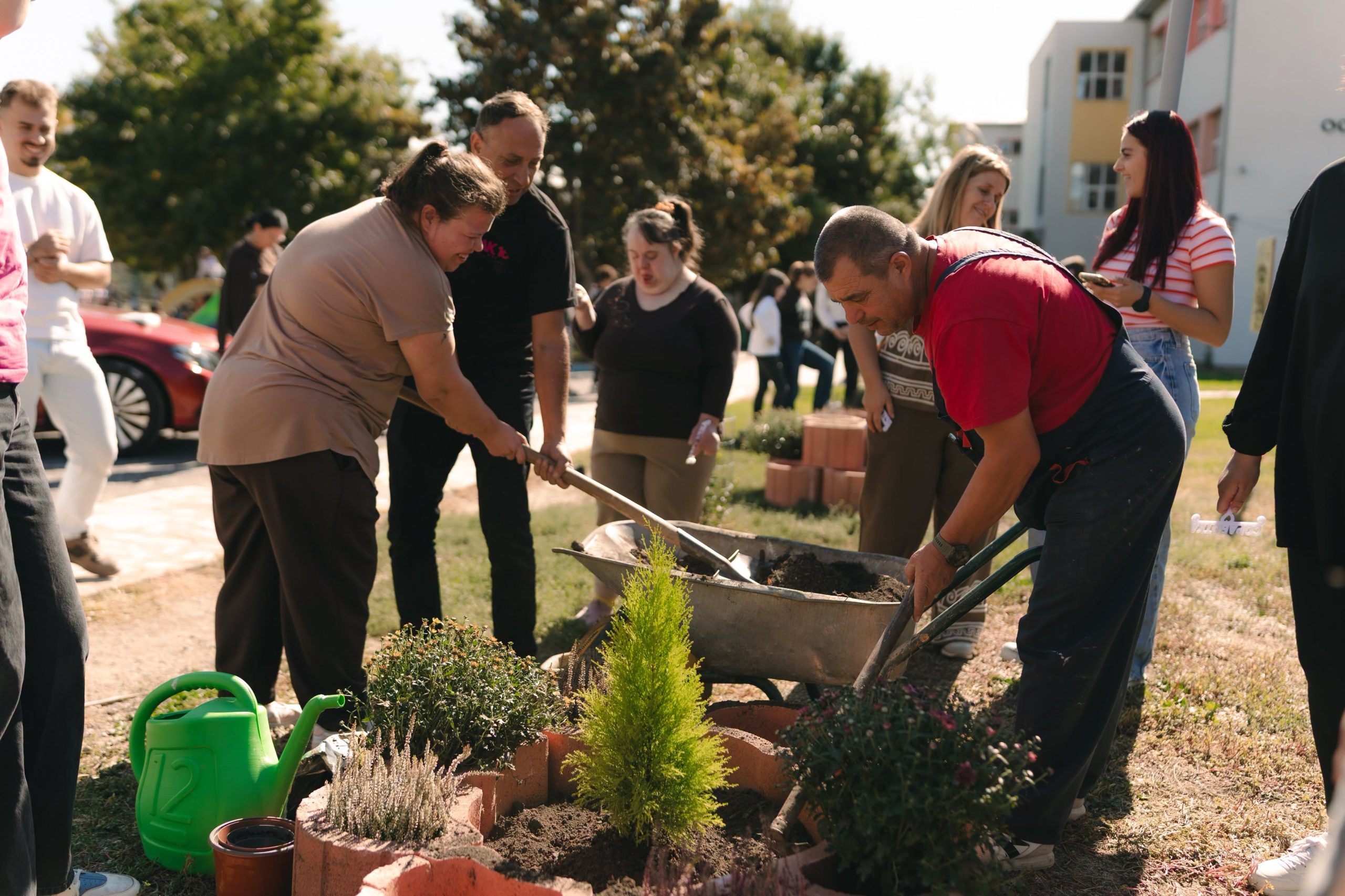
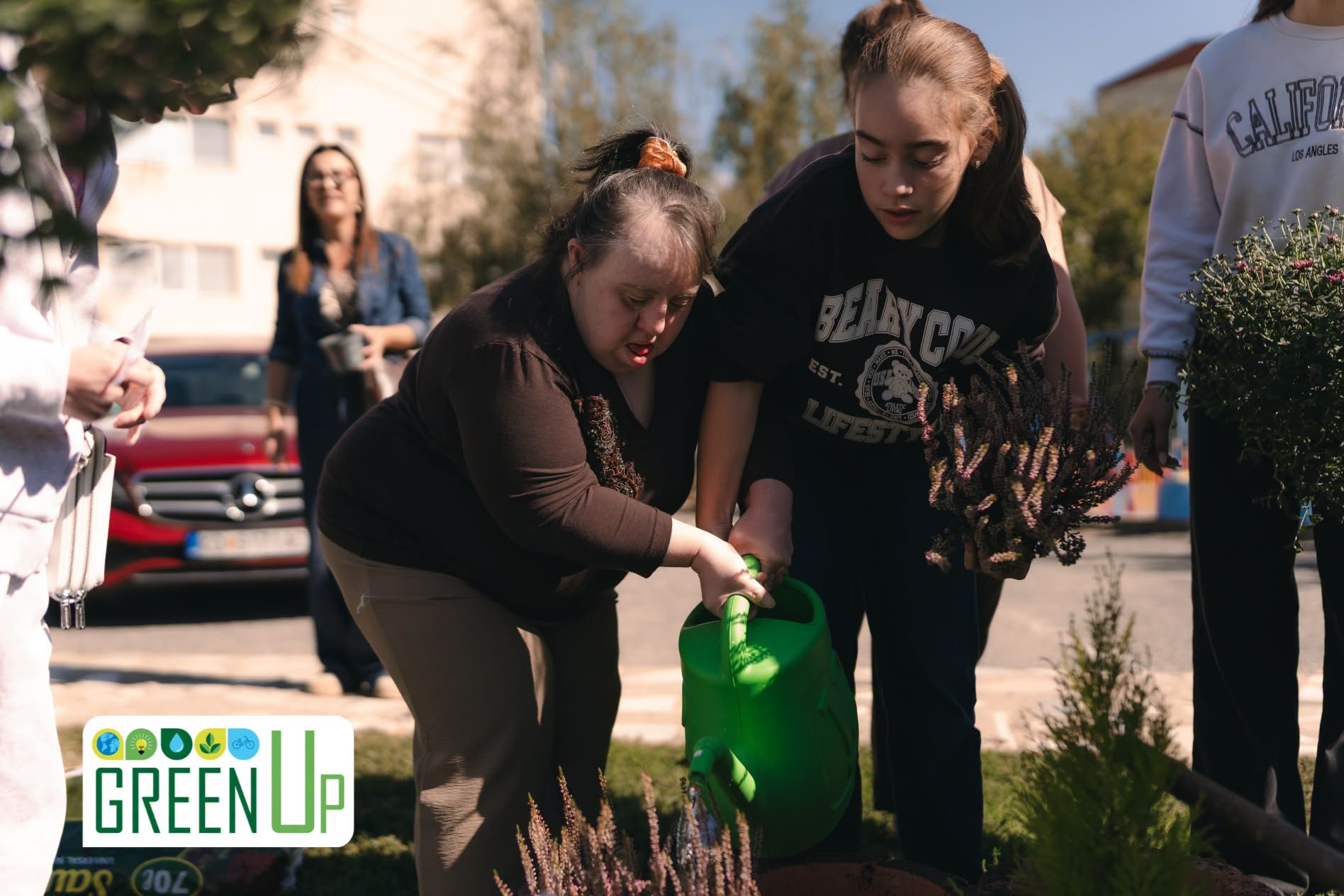
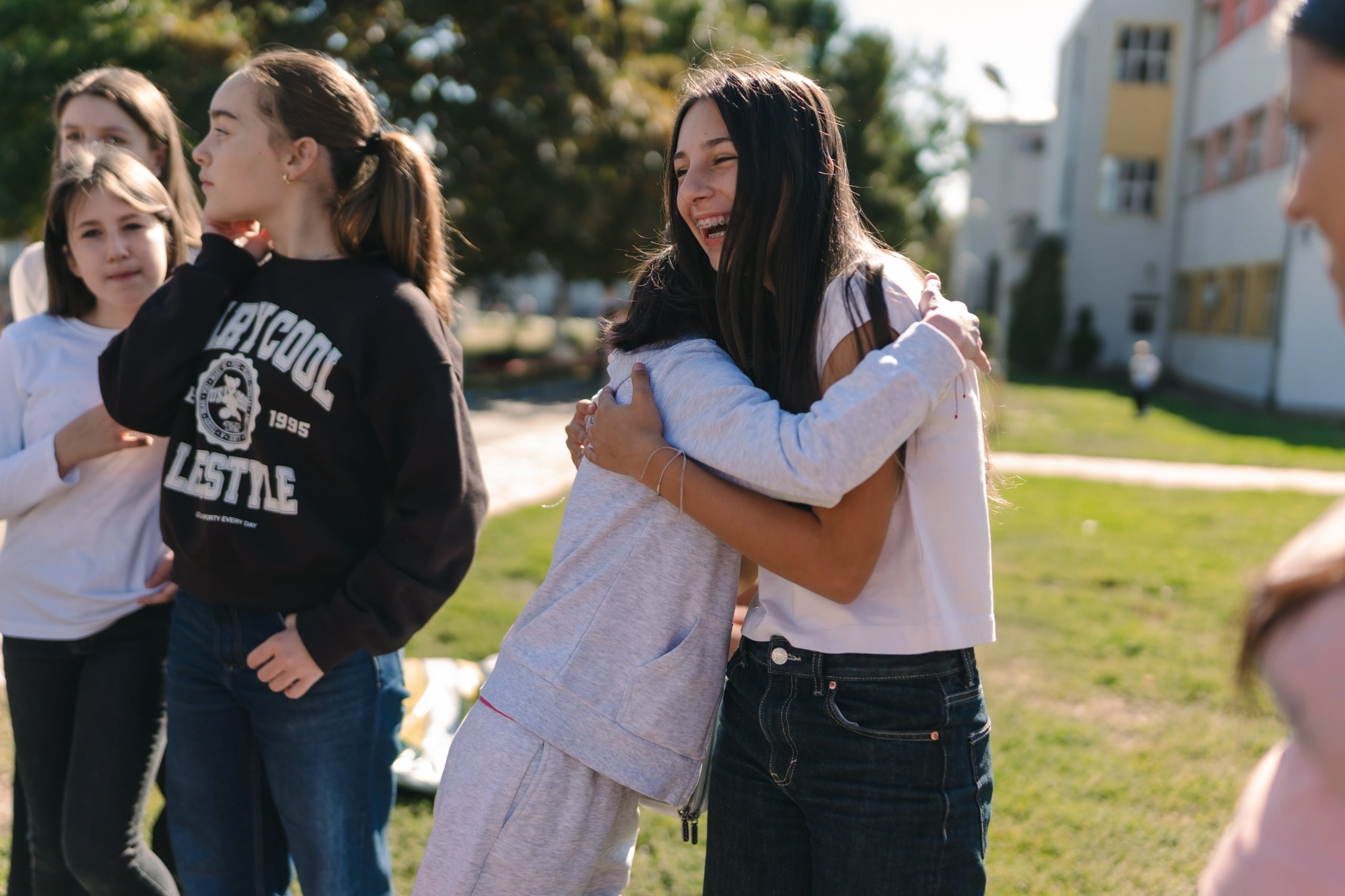
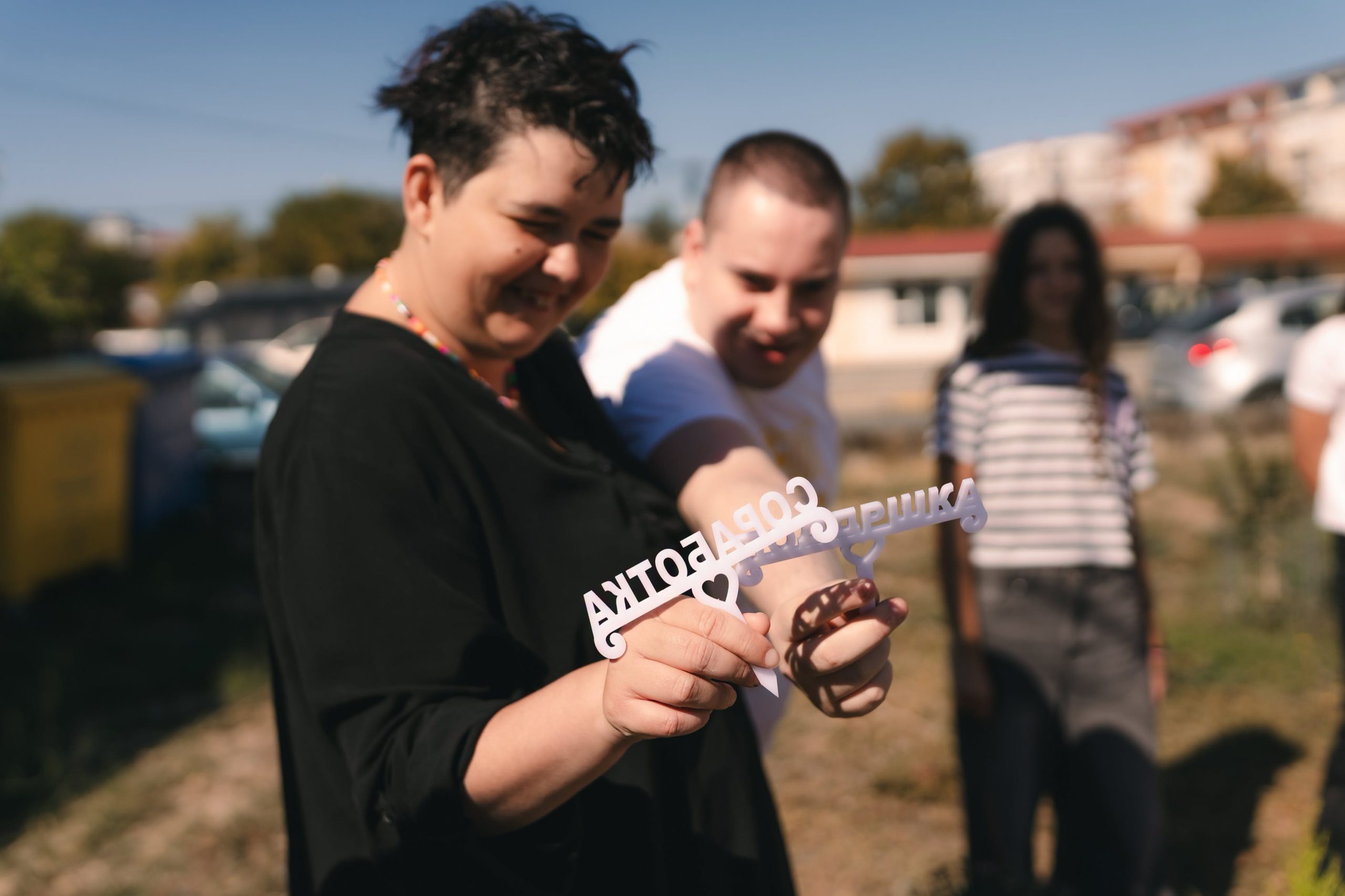
In Kochani, we planted more than flowers. We created a new space for connection, togetherness and care, where every plant carries a message of acceptance, equality and respect.

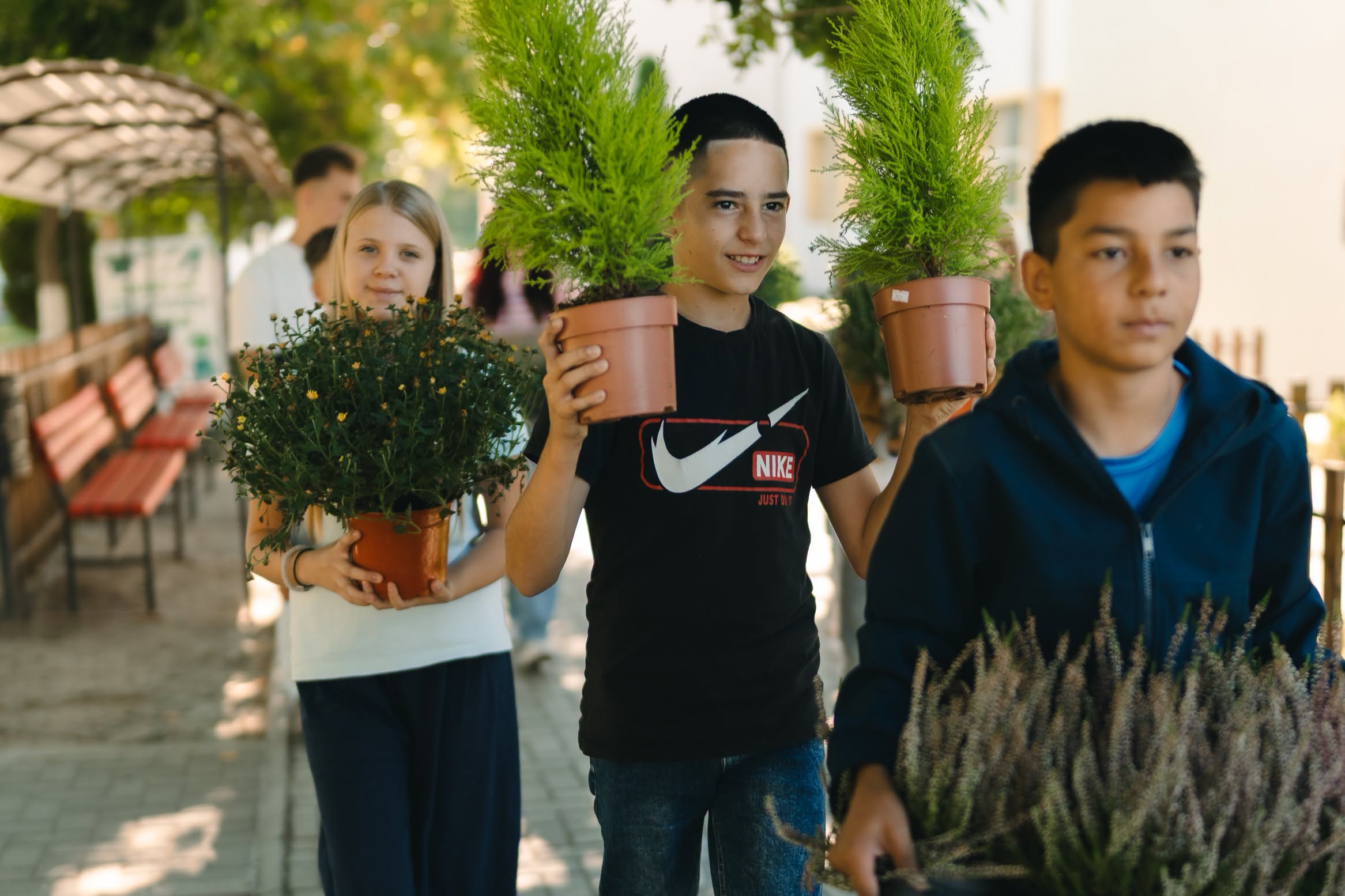
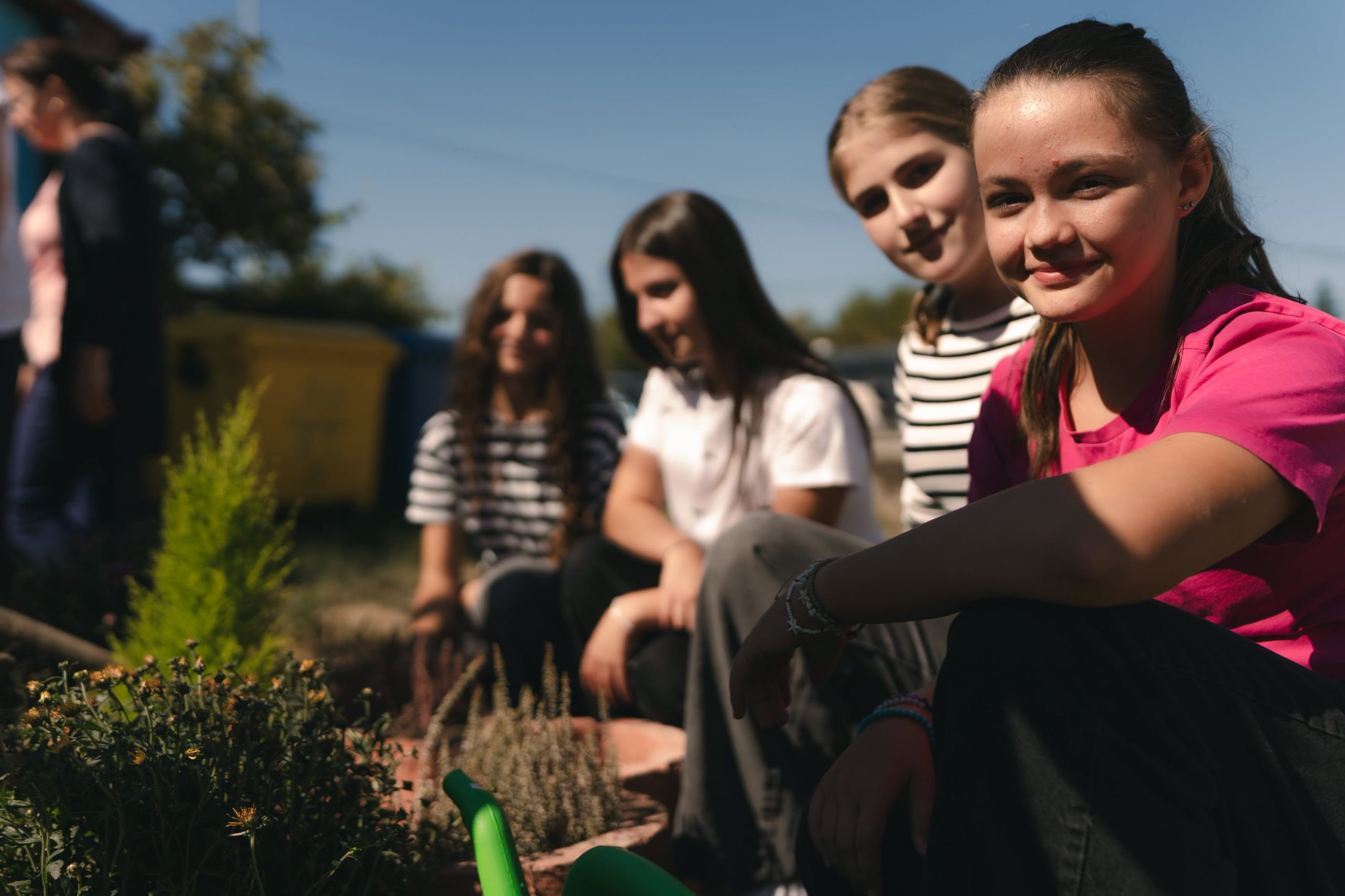
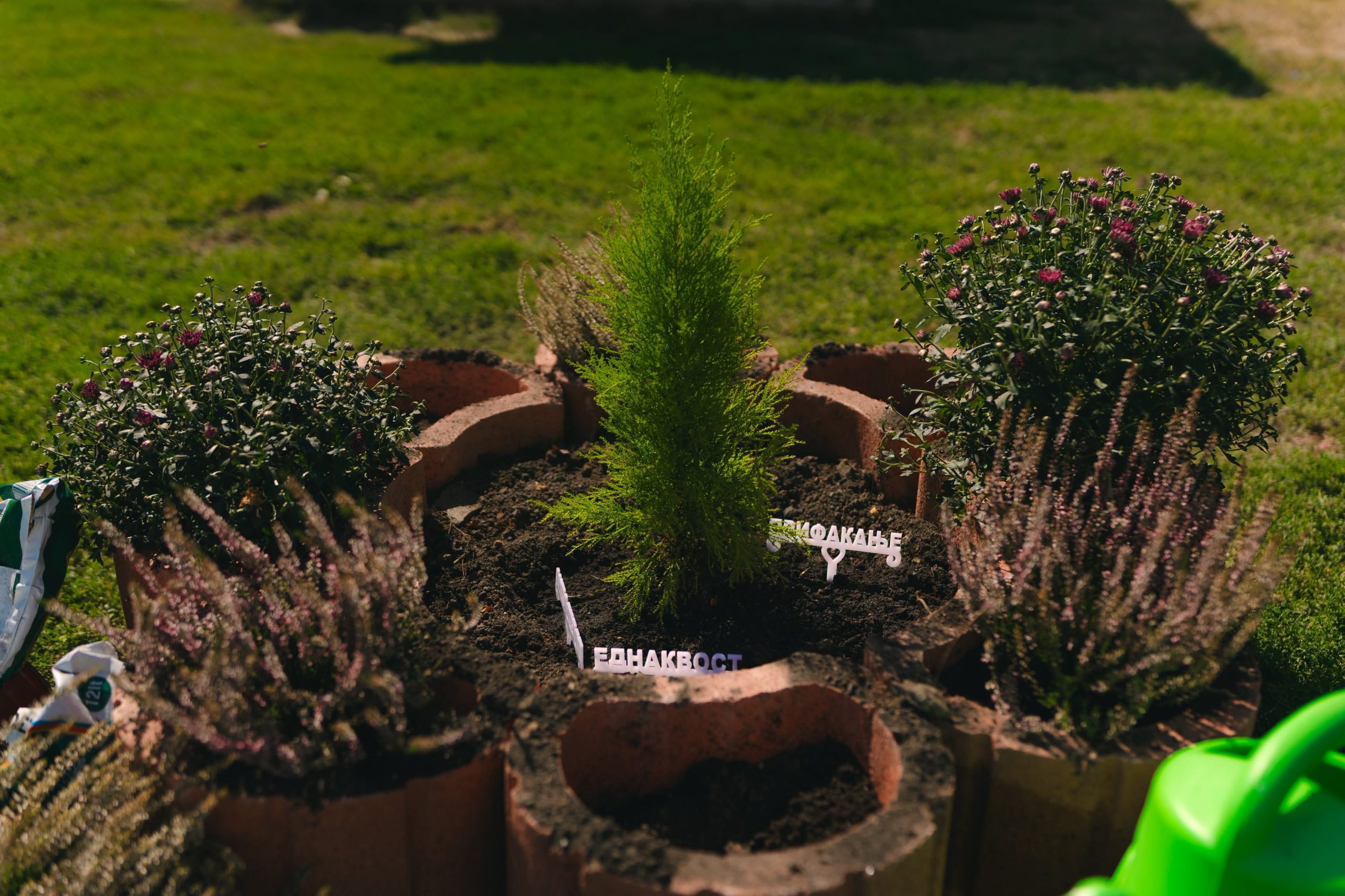
Тhe Planting Hope initiative, organized by Europe House Strumica in partnership with ZOI Kochani, brought together students from the Primary School “Nikola Karev” and persons with disabilities, members of ZOI, for an inclusive environmental workshop. Together, we planted flowers and greenery in the schoolyard and decorated pots with messages of friendship, hope, equality and mutual respect.

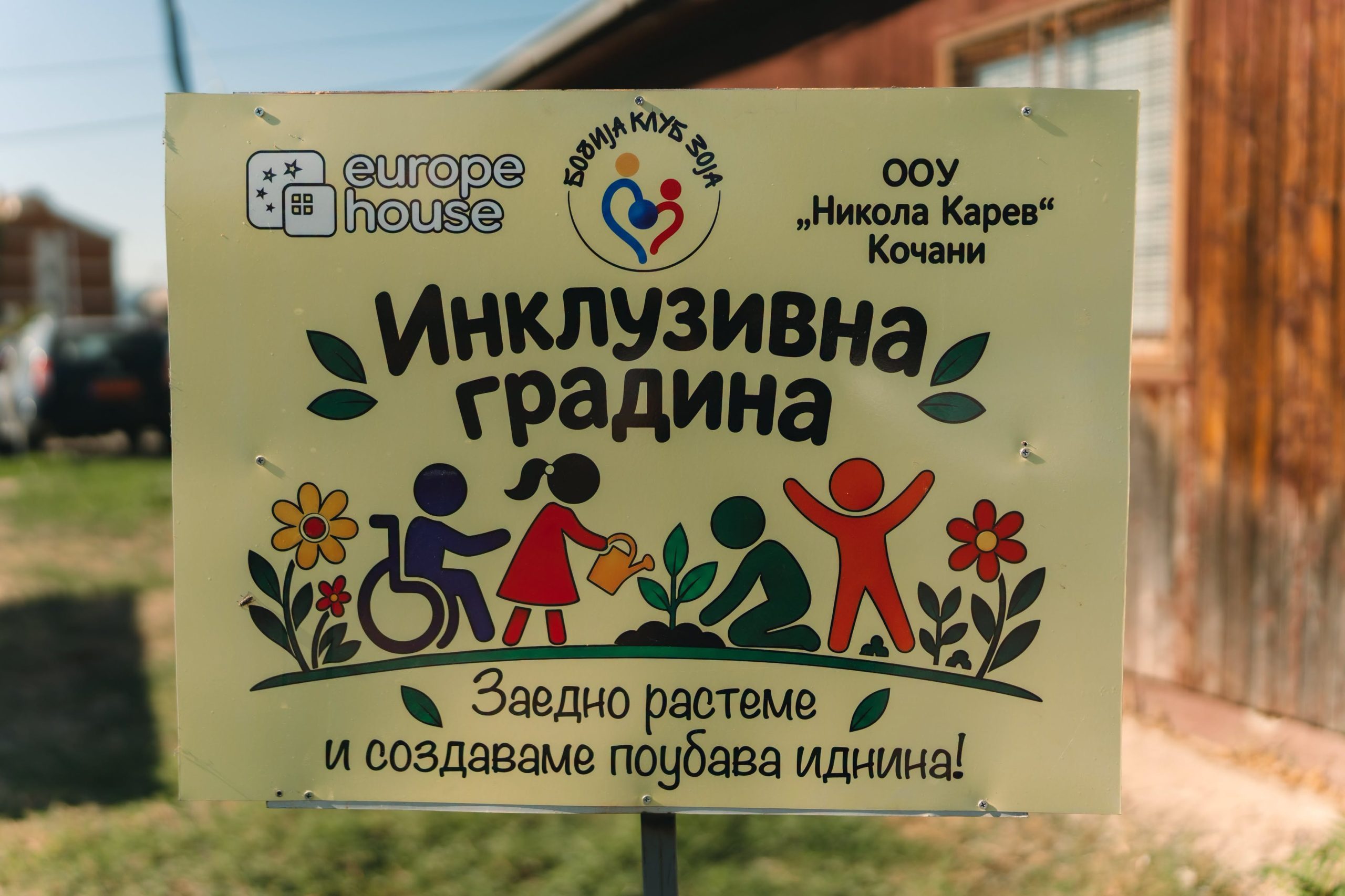
That’s how the Garden of Inclusion came to life – a small green corner that will grow alongside the community and remind us that everyone deserves support, equal opportunities and a space to thrive and contribute. Each plant became a symbol of solidarity, shared values and love.

Planting Hope is part of the Green Up initiative, which promotes environmental awareness and helps create greener, healthier communities through small but meaningful actions. Because change begins not only with what we plant, but also with how we care for one another.

The Sweet Side of Our Tradition: Grandmothers’ Recipes Find Their Way to a New Generation

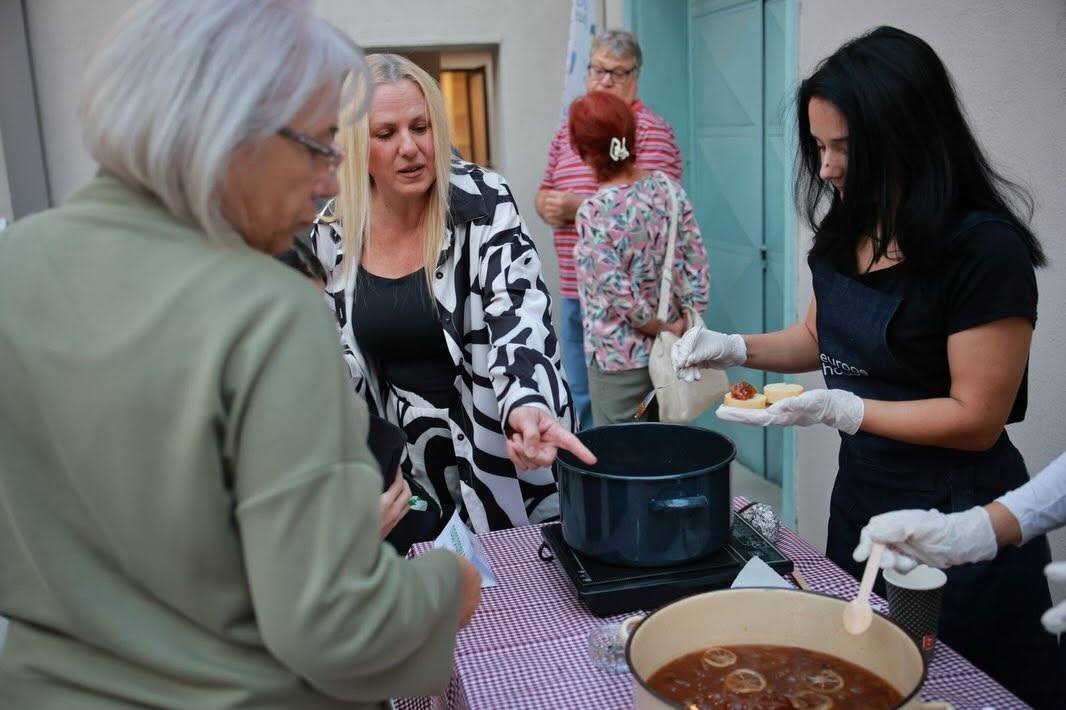
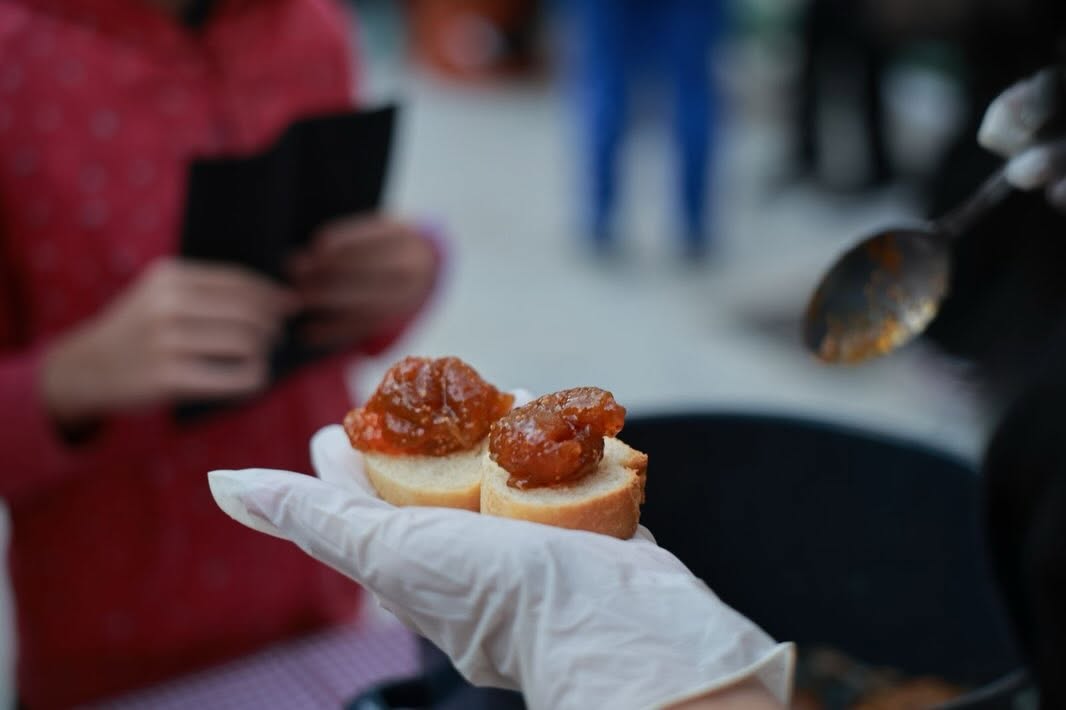
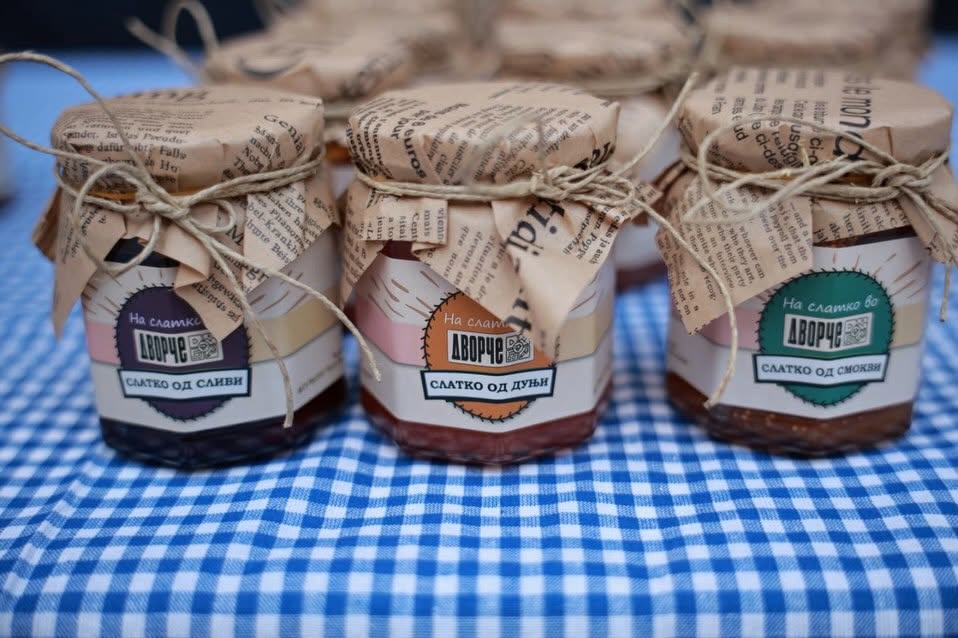
Plums, figs, quinces and family recipes passed down through generations – slatko, the traditional fruit preserve, is more than just a familiar taste from our childhood. It is a cherished part of our culinary heritage and a symbol of hospitality, a small gesture of welcome for every guest who walks through our door.

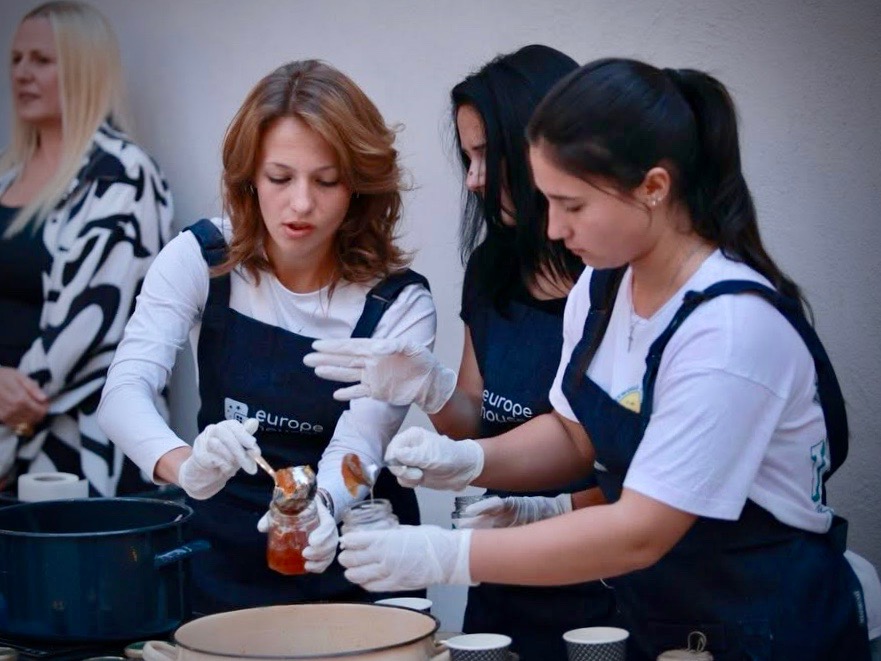
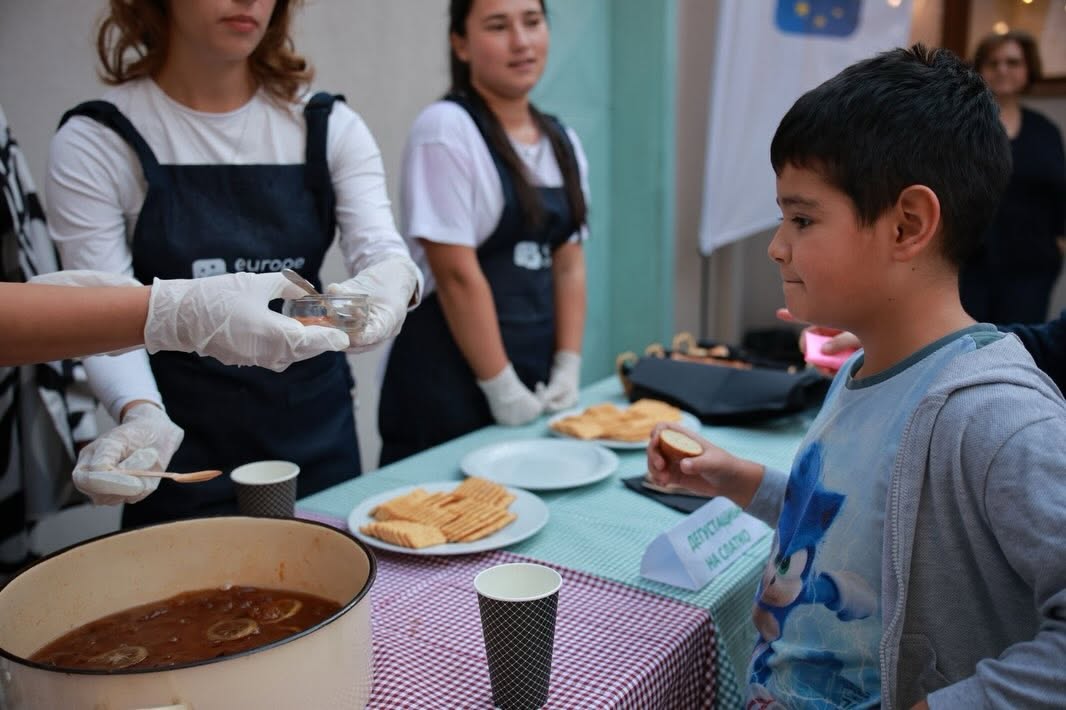
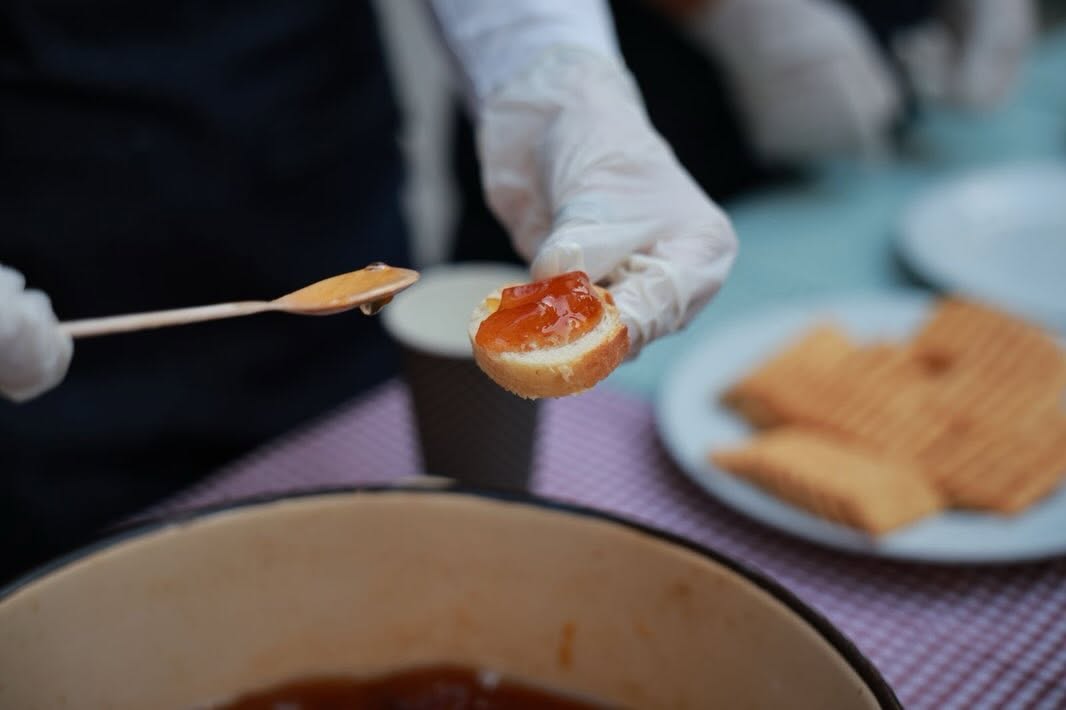
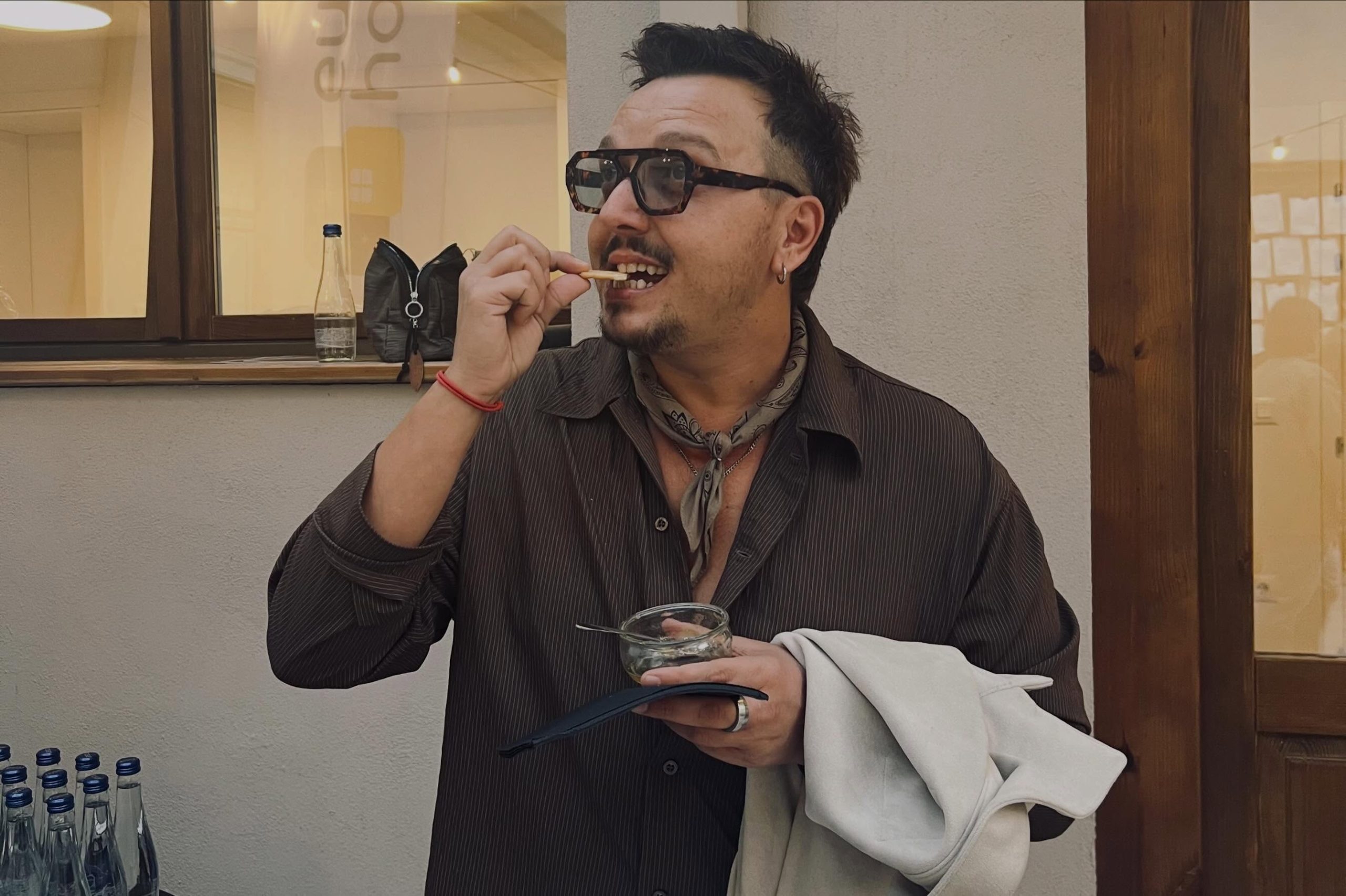
We brought this tradition to life at Dvorche, the much-loved back yard of Europe House Veles, where time-honoured recipes met the creativity of a new generation. Together with students from the Secondary School “Kole Nedelkovski” in Veles, we made 100 jars of homemade fruit preserves, discovering once again that the best recipes are about much more than precise measurements. They are about making things together, learning from our elders and picking up those little kitchen secrets that can only be passed on by doing.
Each jar also had a story to tell. Students from the Economics Department of the Municipal Secondary School “Jovche Teslichkov” took on the creative challenge of designing original labels for our jars of sweet preserves. From initial ideas and choice of visual elements to the finished designs, they added their own creative touch to every one of the 100 jars.

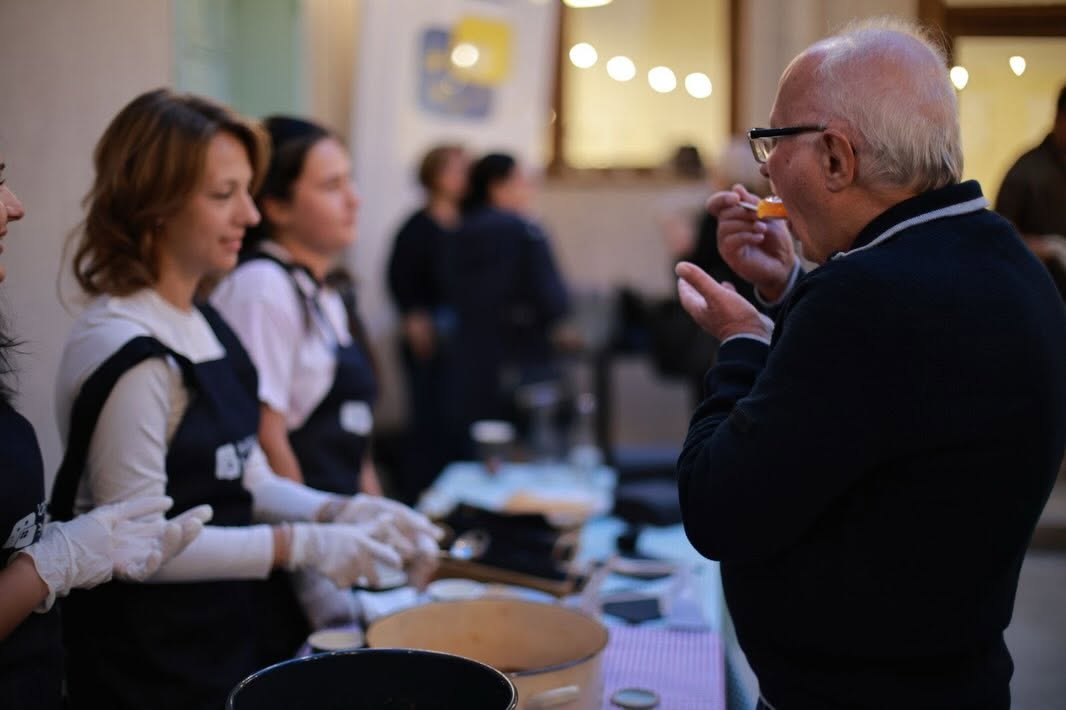
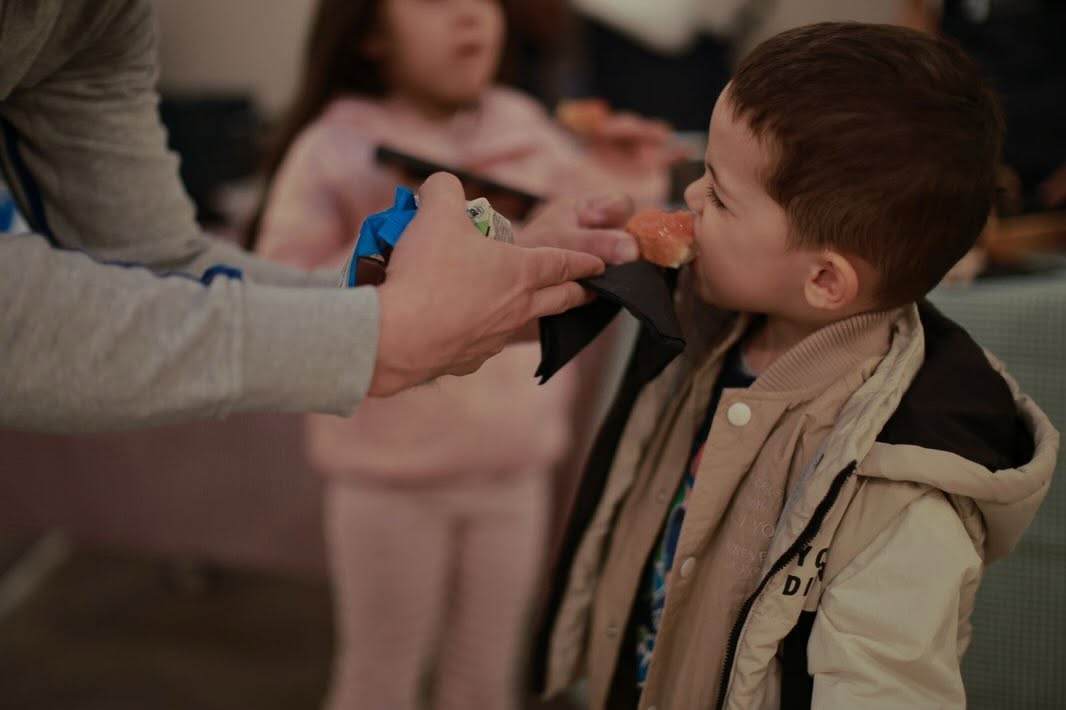
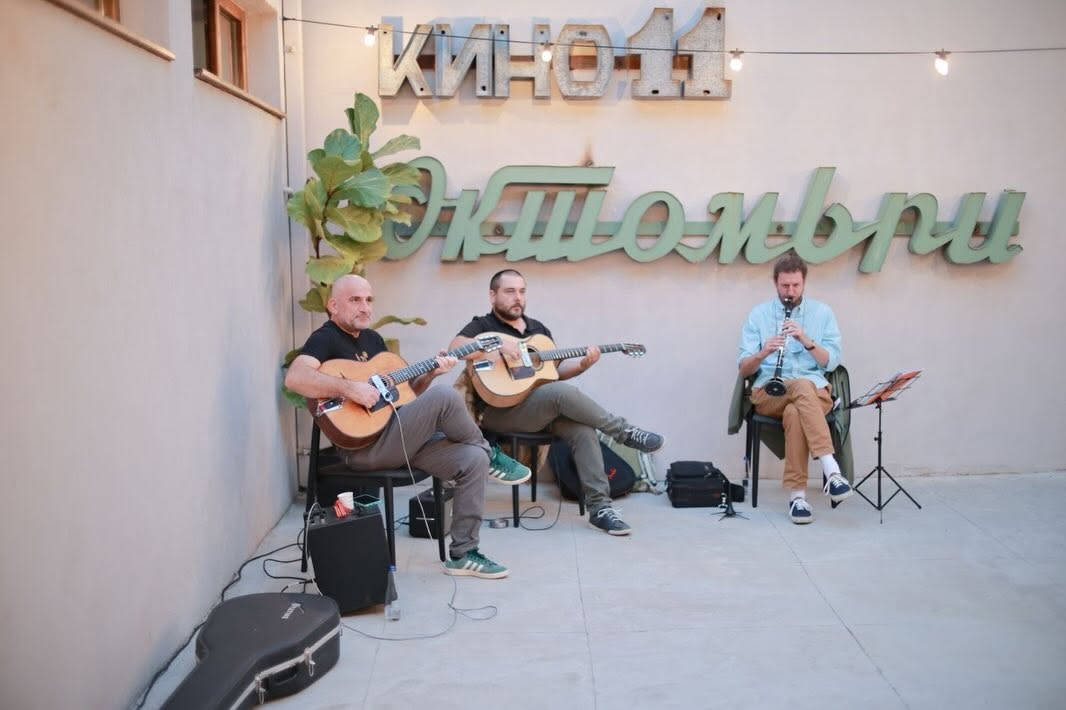
The day wrapped up with a tasting shared with loved ones and the sounds of Hot Jazz Orchestra, turning Dvorche into a lively gathering place where generations, familiar flavours and fresh ideas came together.

“Sweet Preserves at Dvorche” was a reminder that tradition is not simply something we inherit. It is something we keep alive, reinvent and pass on by sharing it with others.


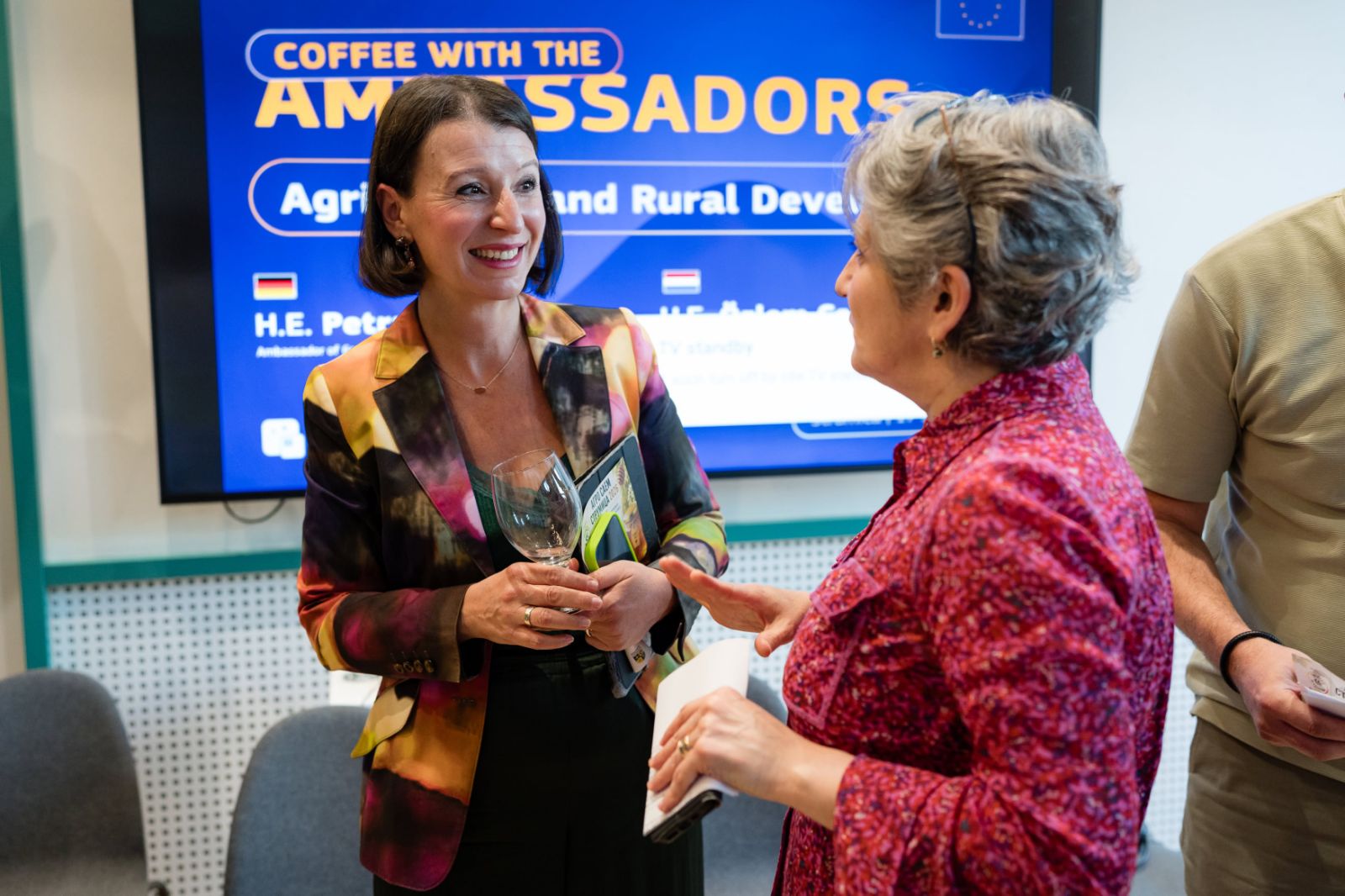
Coffee with Ambassadors in Strumica – A Dialogue on Agriculture, Rural Development and the European Future

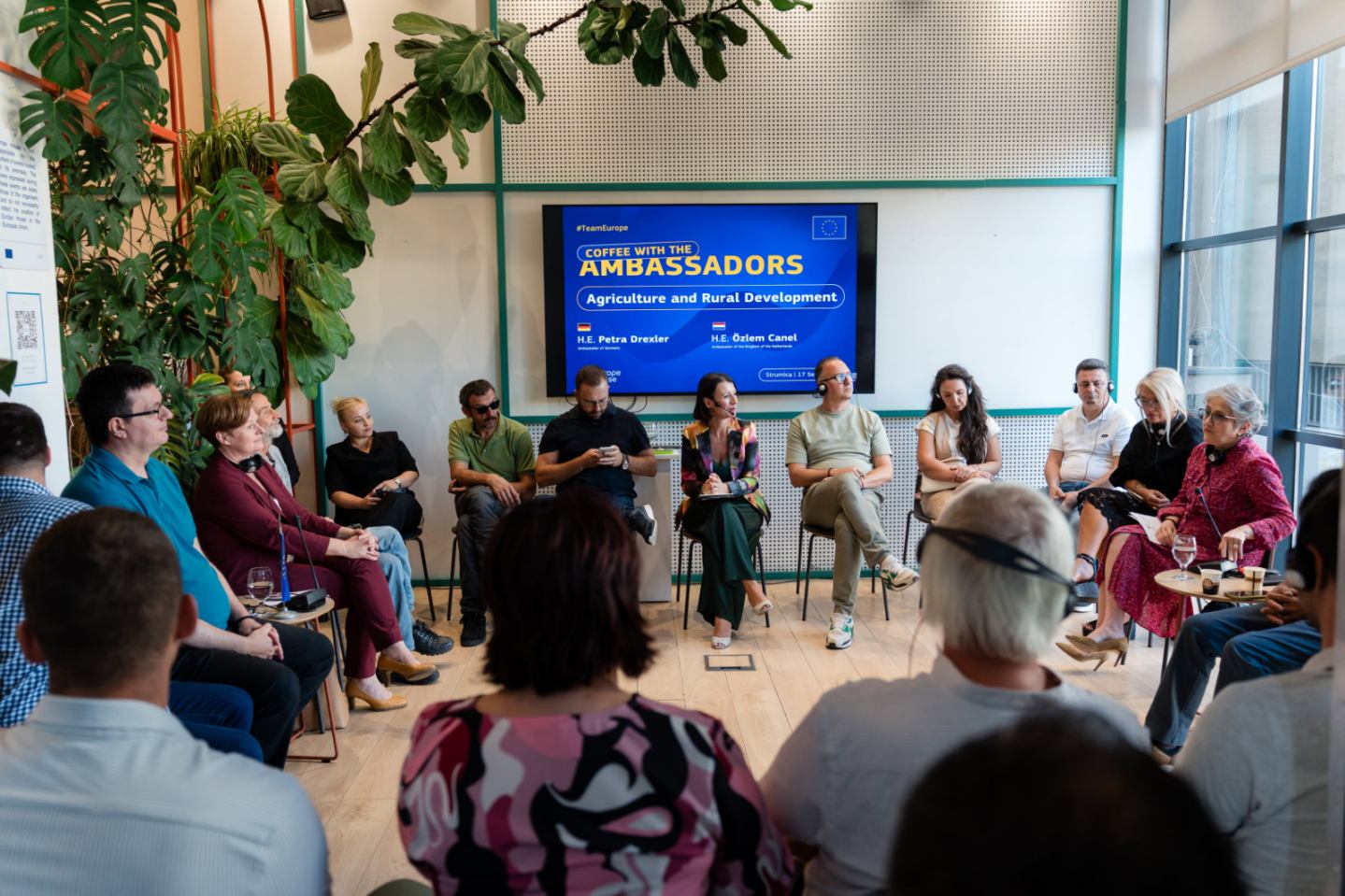
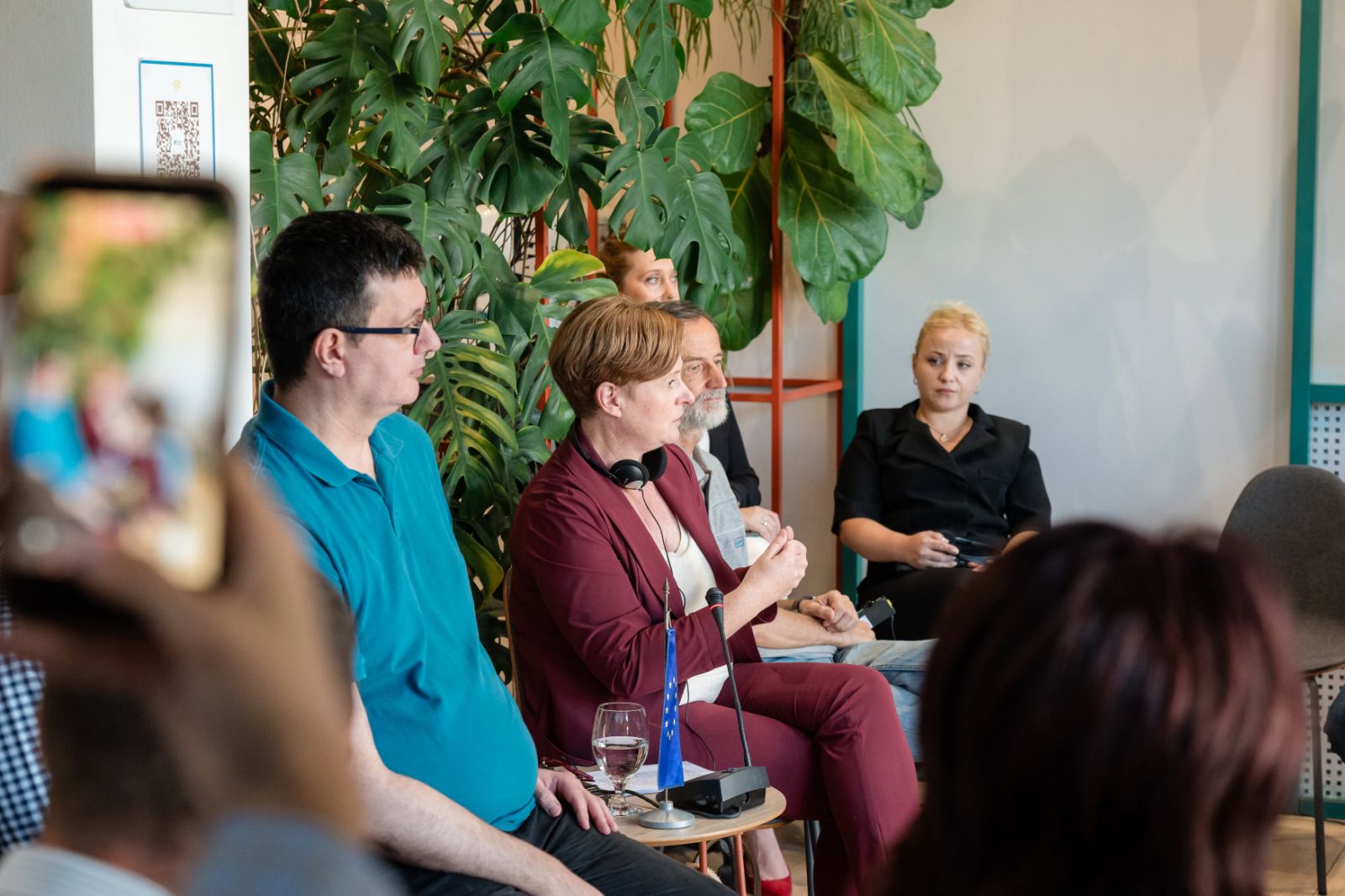
A new edition of “Coffee with Ambassadors” took place yesterday at Europe House Strumica, this time focusing on “Agriculture and Rural Development”, with the participation of H.E. Petra Drexler, Ambassador of the Federal Republic of Germany, and H.E. Özlem Canel, Ambassador of the Kingdom of the Netherlands.

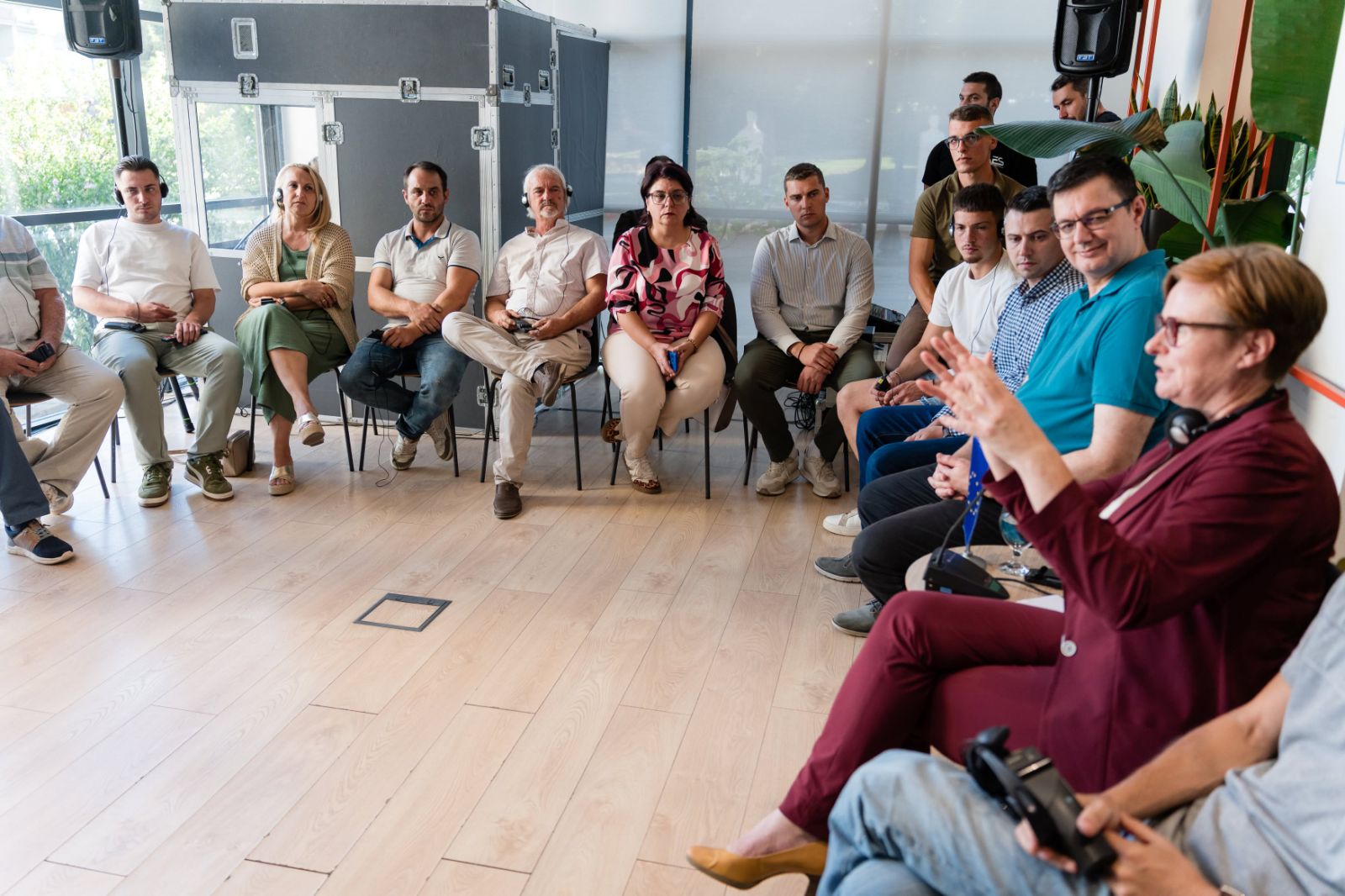
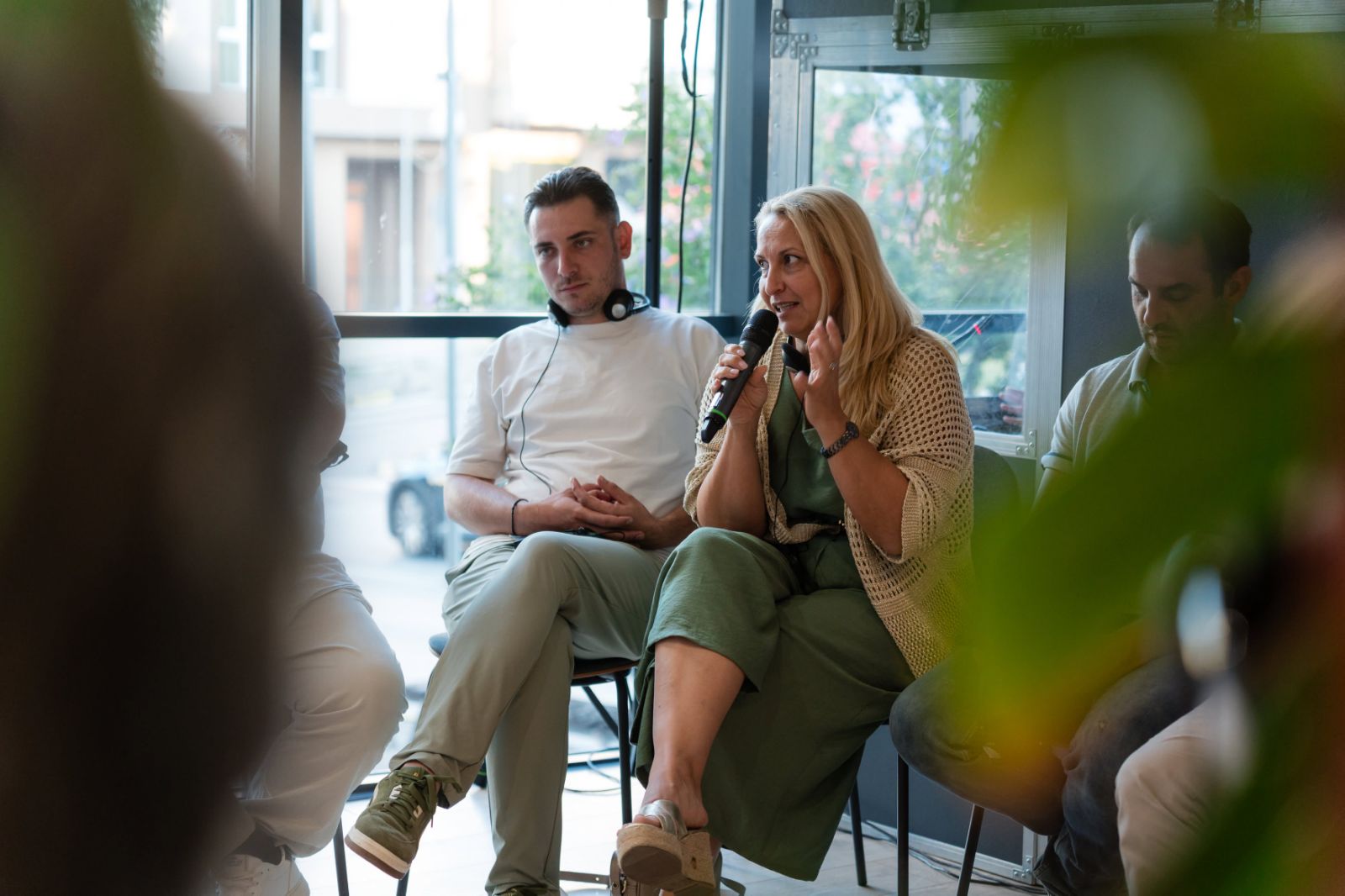
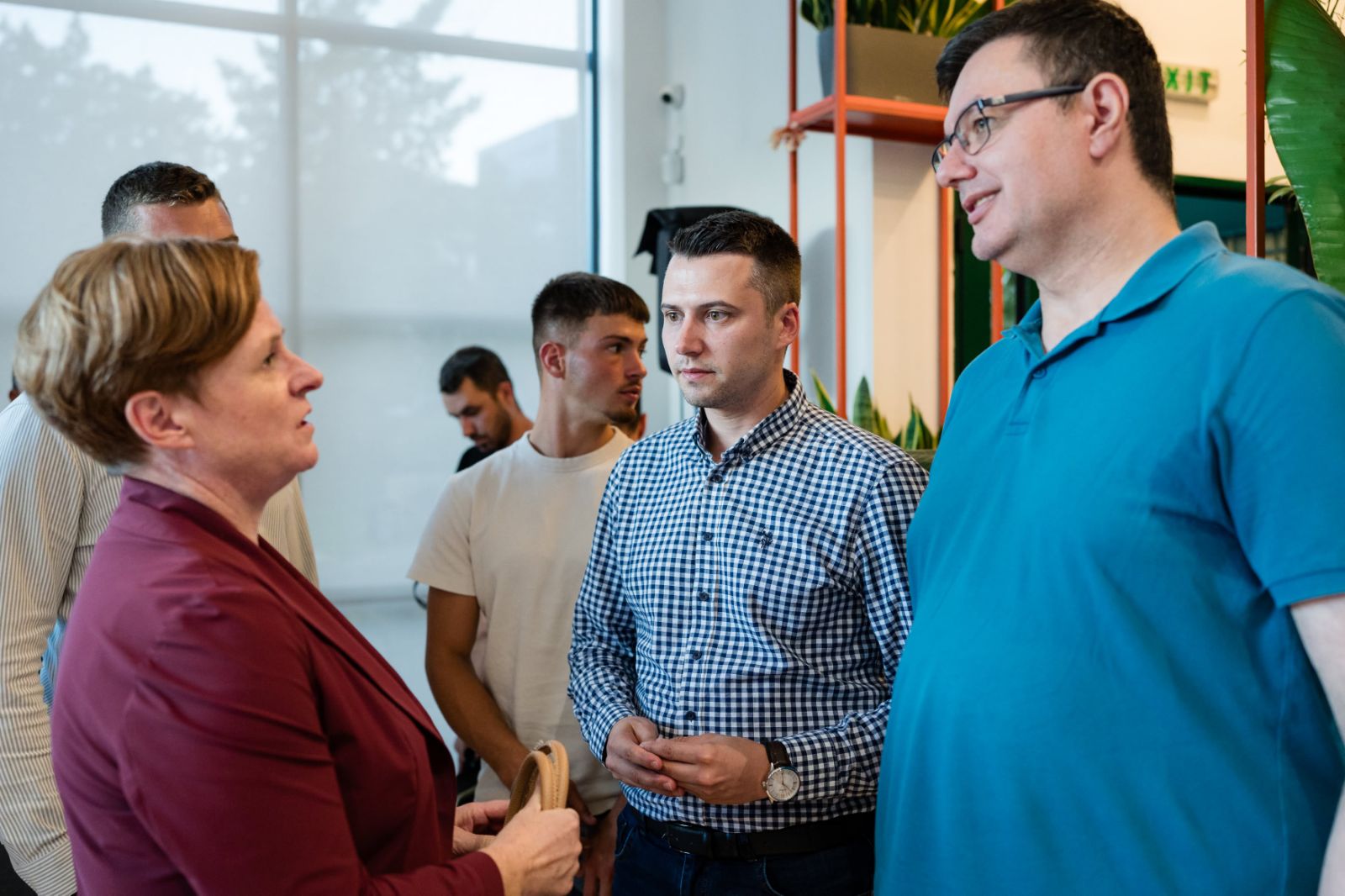
Bringing together farmers, academics and representatives of civil society from the region, the event opened a discussion on the role of agriculture in today’s European economies, the experiences of Germany and the Netherlands, and the opportunities European integration can bring to farmers and rural communities in North Macedonia.

As one of the country’s key agricultural regions, Strumica was a natural setting for a conversation about a sector that is not only an economic activity, but also an important part of local identity, tradition and everyday life.

A particular focus of the discussion was the European Union’s Common Agricultural Policy (CAP) and what it means for farmers in practice. Participants explored how European agricultural policies shape production, support for farmers, environmental standards and the development of rural communities, as well as what joining this system could mean for small and medium-sized agricultural producers in North Macedonia.

The ambassadors shared Germany’s and the Netherlands’ experiences in addressing one of the key challenges facing modern agriculture: how to maintain high productivity while protecting soil, water, biodiversity and the environment.

The conversation also addressed the challenges of sustainable agriculture and climate change, and the need to adapt to changing conditions without compromising competitiveness. Innovation and the future of agriculture were also high on the agenda. Participants discussed experiences with precision farming, greenhouse technologies, digitalisation, research and agricultural cooperatives as approaches that can contribute to greater efficiency and more sustainable production.
Particular attention was given to the potential of the Strumica region, which benefits from fertile soil, a strong tradition of vegetable production and good access to regional markets. The discussion highlighted the importance of building on these strengths through greater access to knowledge and technology, stronger cooperation and better use of European development opportunities.

Drawing on the experiences of Germany and the Netherlands, participants had the opportunity to hear how European policies are put into practice, and what opportunities, changes and responsibilities they bring for farmers and rural communities. The event concluded with a discussion on the future of agriculture in North Macedonia, focusing on innovation, sustainable practices, better organisation and the use of European support instruments.

“Coffee with Ambassadors” is part of Europe House’s activities aimed at creating space for dialogue on European policies, experiences and values, and their practical relevance for citizens and local communities across North Macedonia.

WEAR THE CHANGE — A Year-Long Platform for Gender Equality

Every third woman in North Macedonia over the age of fifteen has experienced harassment or violence. The country has some of the highest femicide rates in Europe. Women earn 12% less than men and do 72.5% of the unpaid care work.

Behind these numbers is a reality we live with every day and barely react to. A woman who left a job she was good at because the care at home was hers by default. A report on threats that was filed and went nowhere. A room where decisions are made with no woman in it. None of it should pass. Not once.

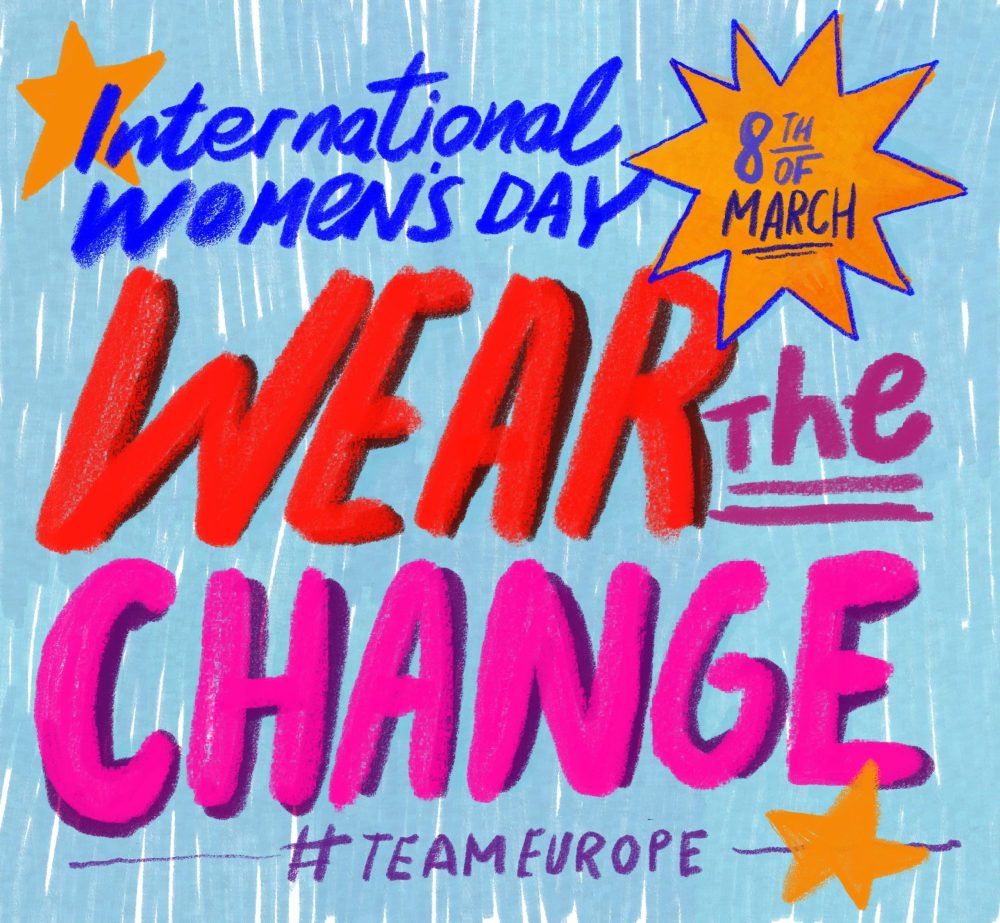
This is why Team Europe and the EU Delegation launched Wear the Change. Not a single commemoration of International Women’s Day, but a campaign that runs throughout the year, across the country, from March until the 16 Days of Activism in November.

Anchored by thought-provoking art from popular local illustrator Ruki Chuki, the campaign travels city by city: Skopje, Veles, Tetovo, Struga, Bitola, Strumica. In each city, ambassadors of EU Member States sit at the table with civil society organisations, municipal representatives and law enforcement to open difficult conversations around seven localised topics:

Who Pays the Bill

The Broken Shield

The Empty Chair

The Invisible Patient

The Endless Shift

The Harvest Without Her Name

Who Codes the Future

Equality is not decided only in institutions. It is decided in who gets hired and who gets promoted, in whether a woman is asked at a job interview if she plans to have children, in which parent stays home when the child is sick. In who speaks at a meeting and who gets interrupted. And in what happens when a woman says someone is threatening her, and whether anyone takes it seriously.

The law covers part of that. The rest depends on us.

When the law is not applied, ask the institution why and report it. Do not treat violence in a family as a private matter.

Wear the change where you are. At home, at work, in the room where the decision is made.

Links:

Skopje, March. Who Pays the Bill: The Cost of Inequality

Veles, April. The Broken Shield: Gender-Based Violence and Institutional Protection

Tetovo, July. The Empty Chair: Women in Politics

Struga, July. Who pays the Bill: The Cost of Inequality


A Story of Land, Memory and Togetherness: “Land” Premieres in Prilep and Bitola

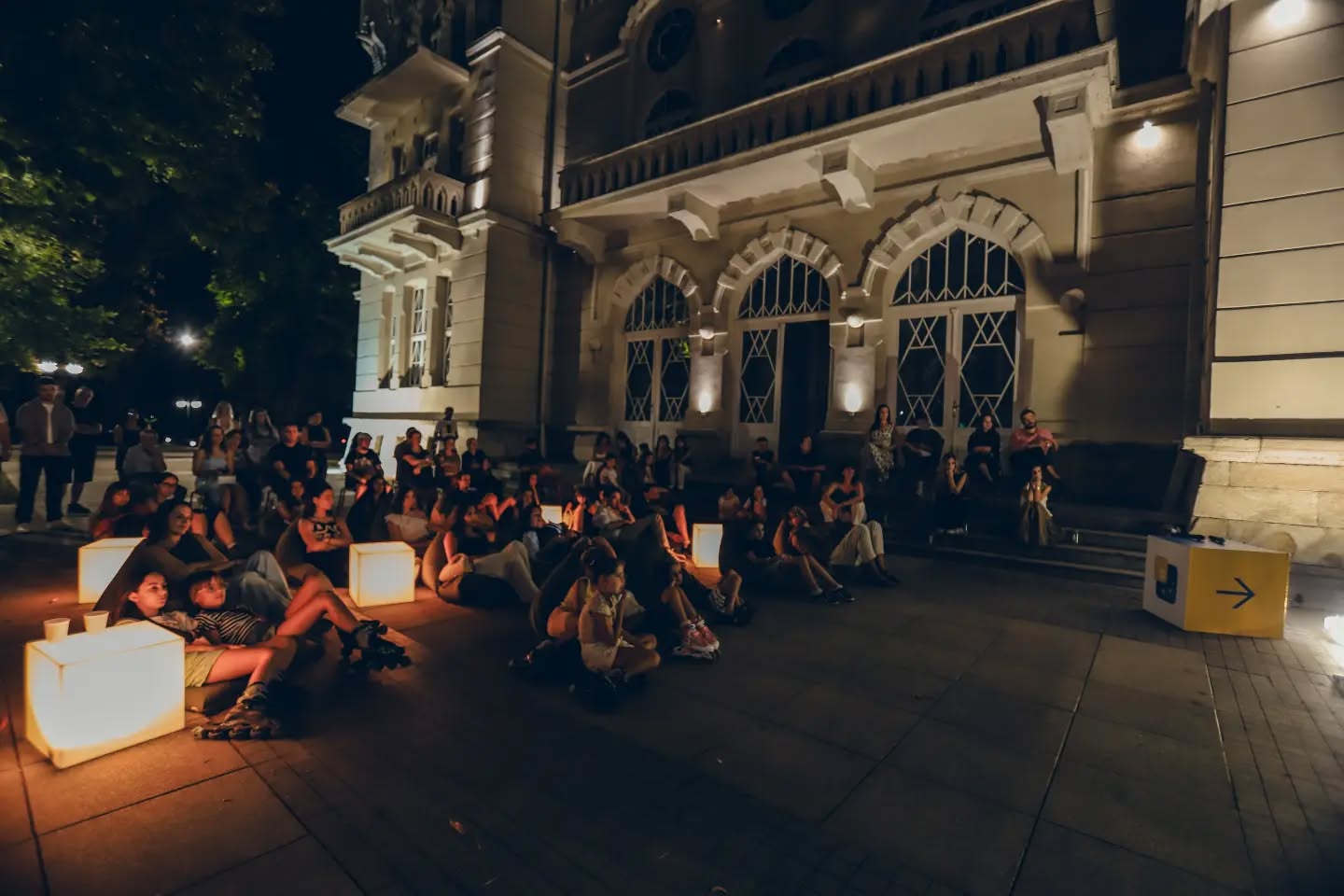
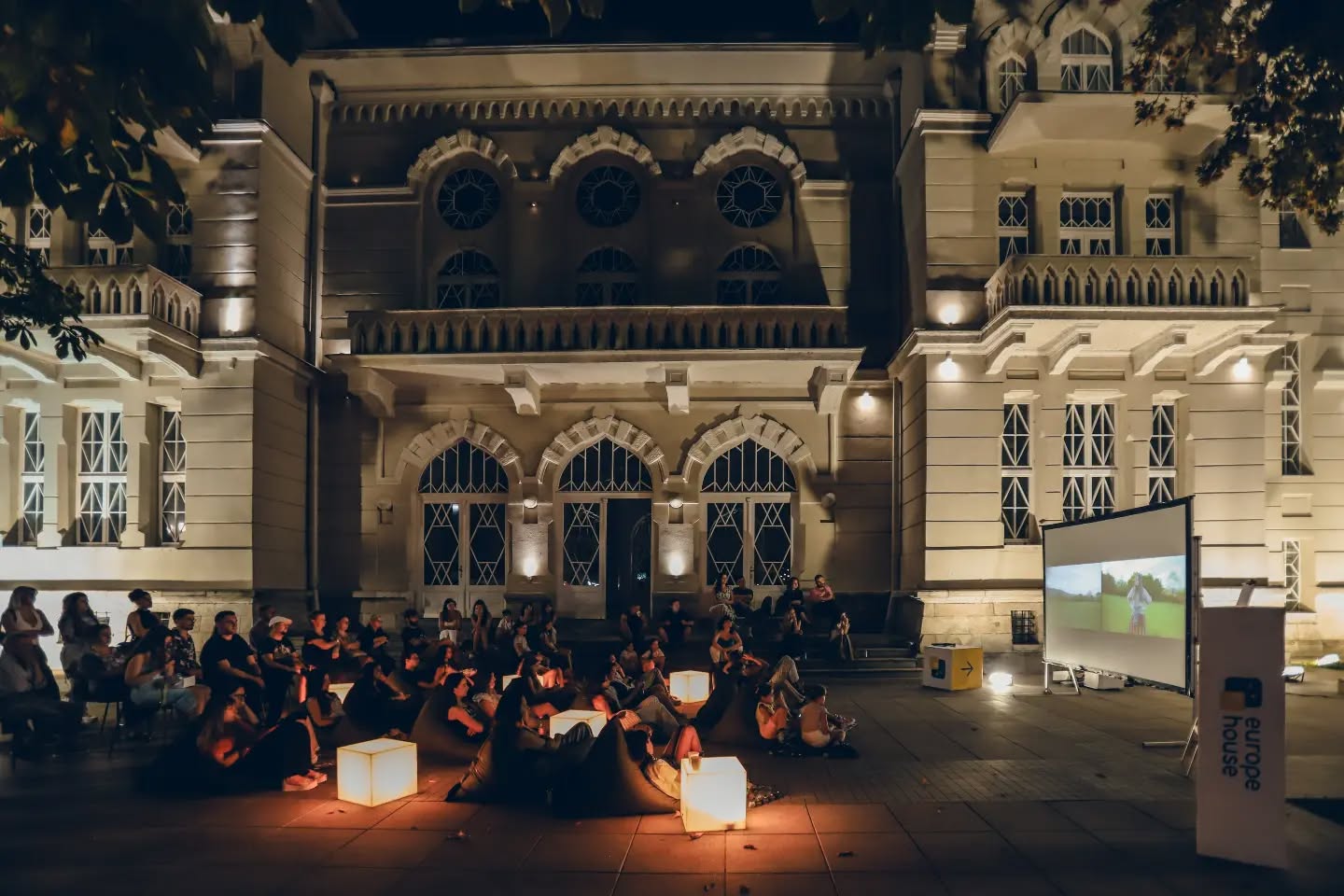
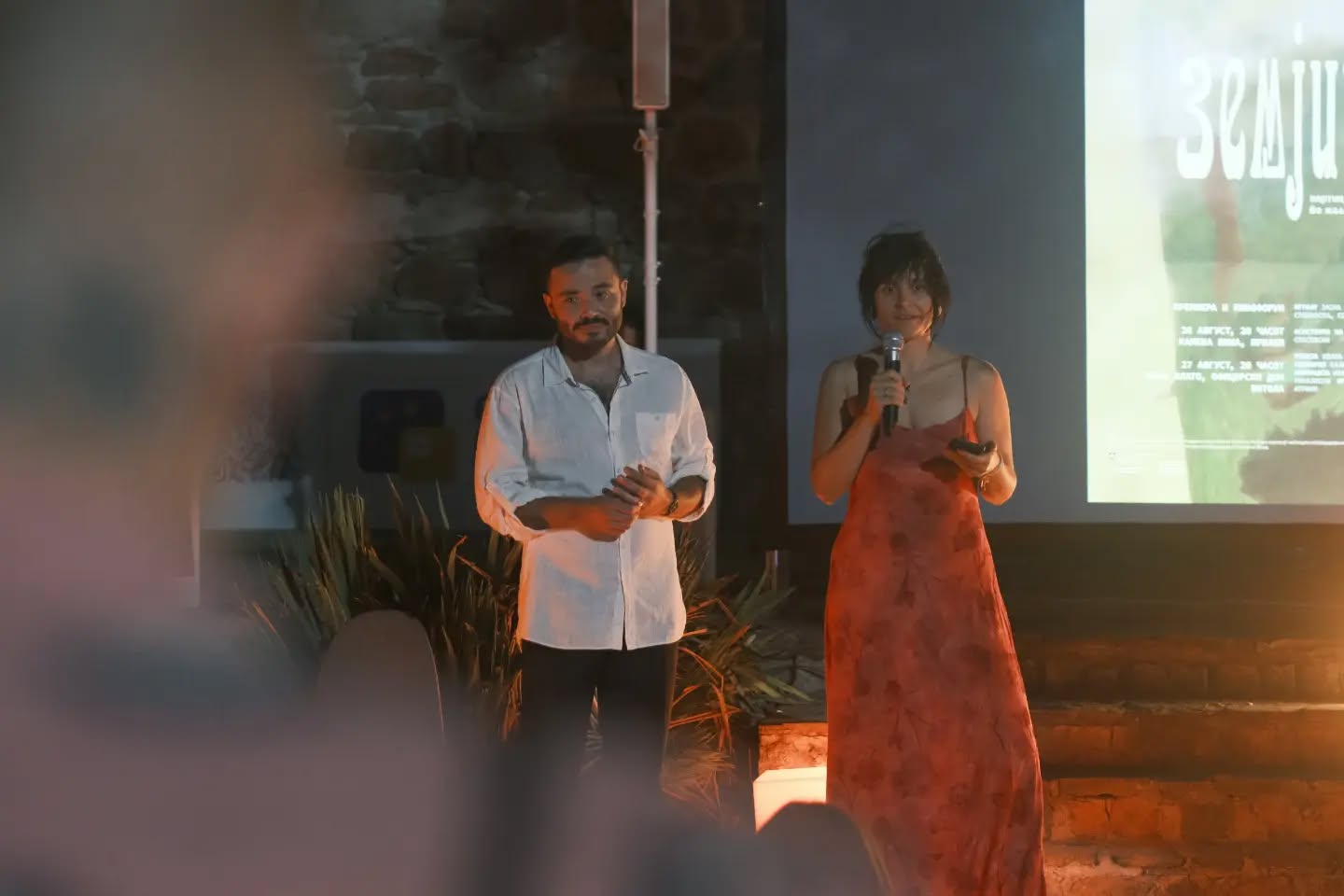
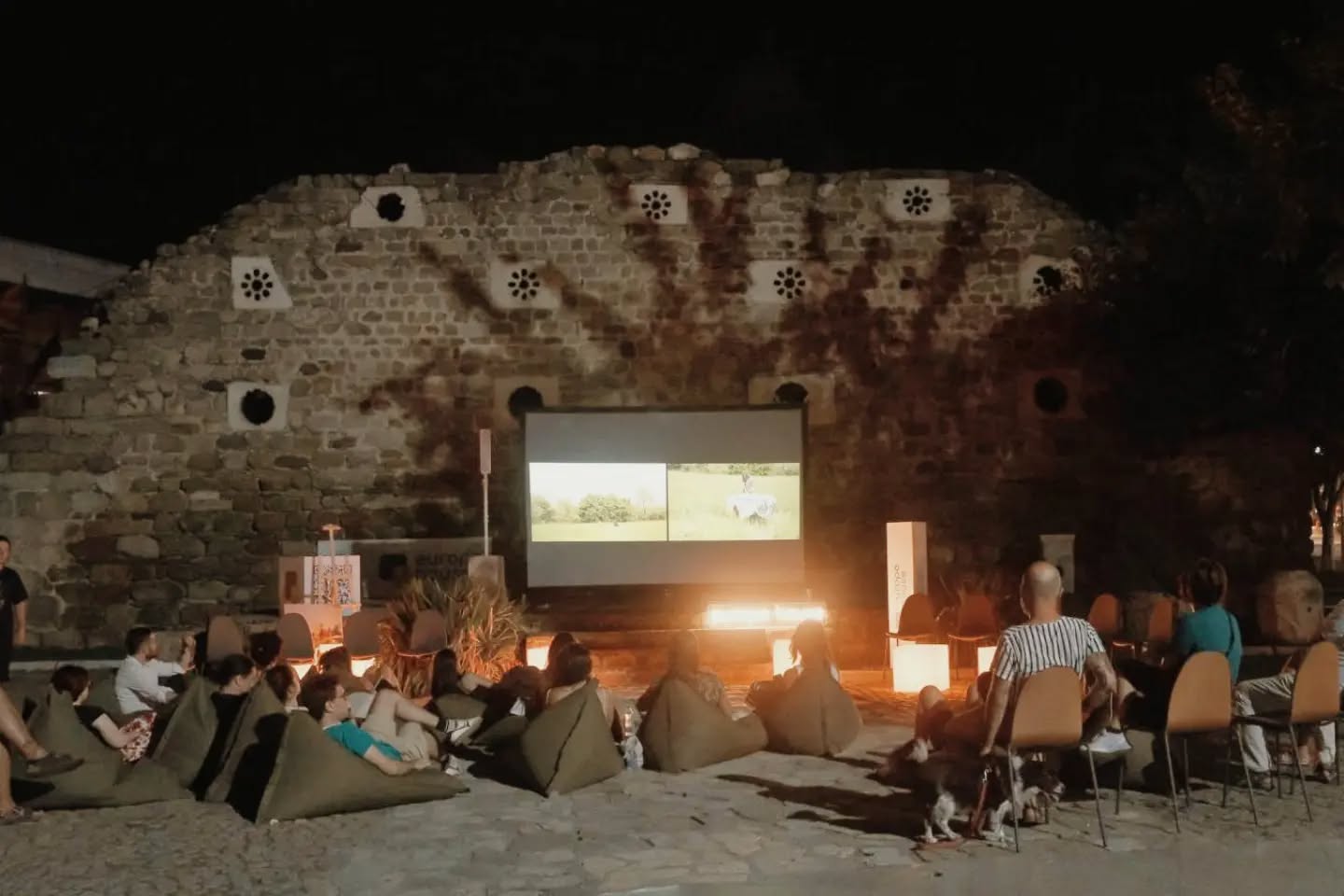
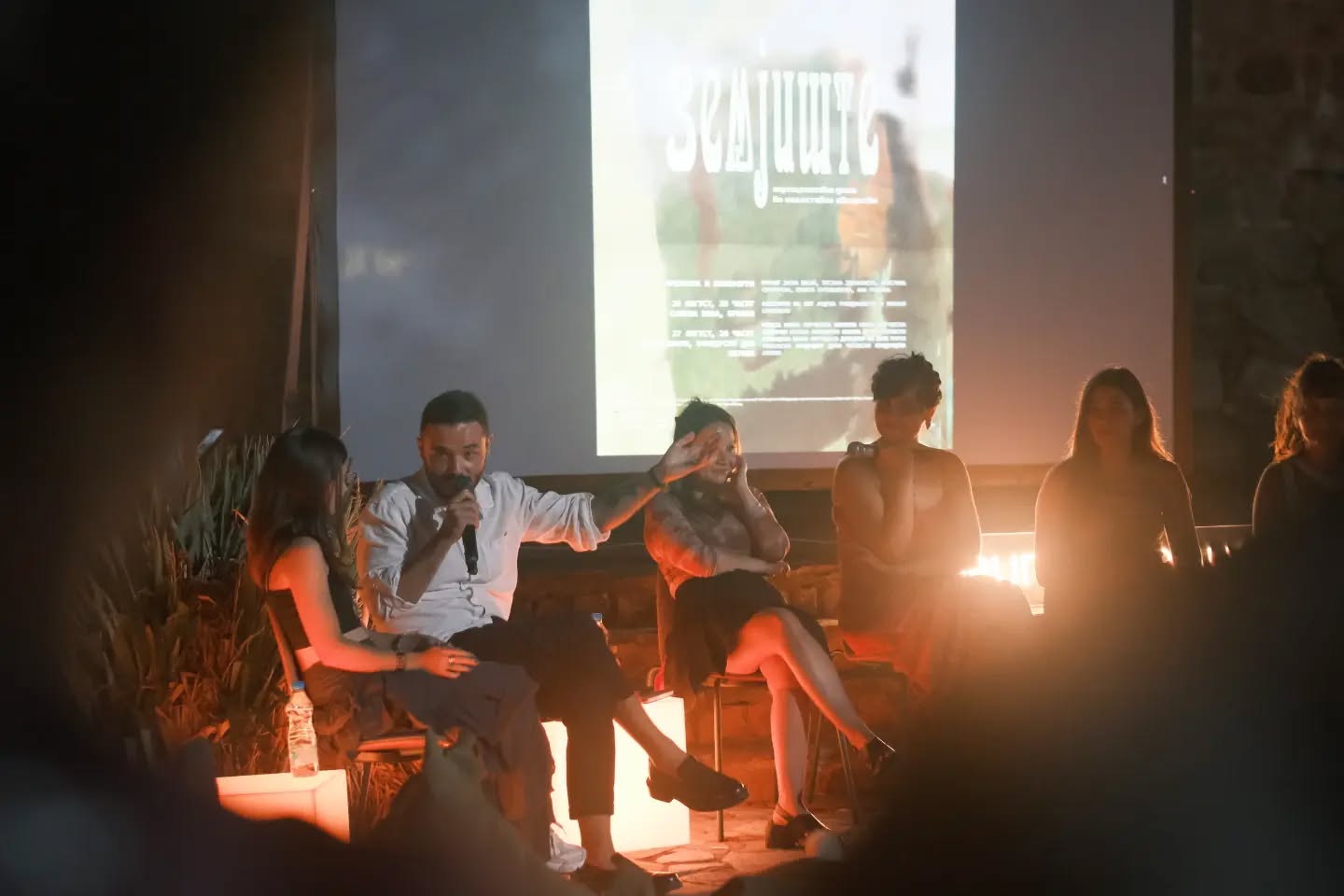
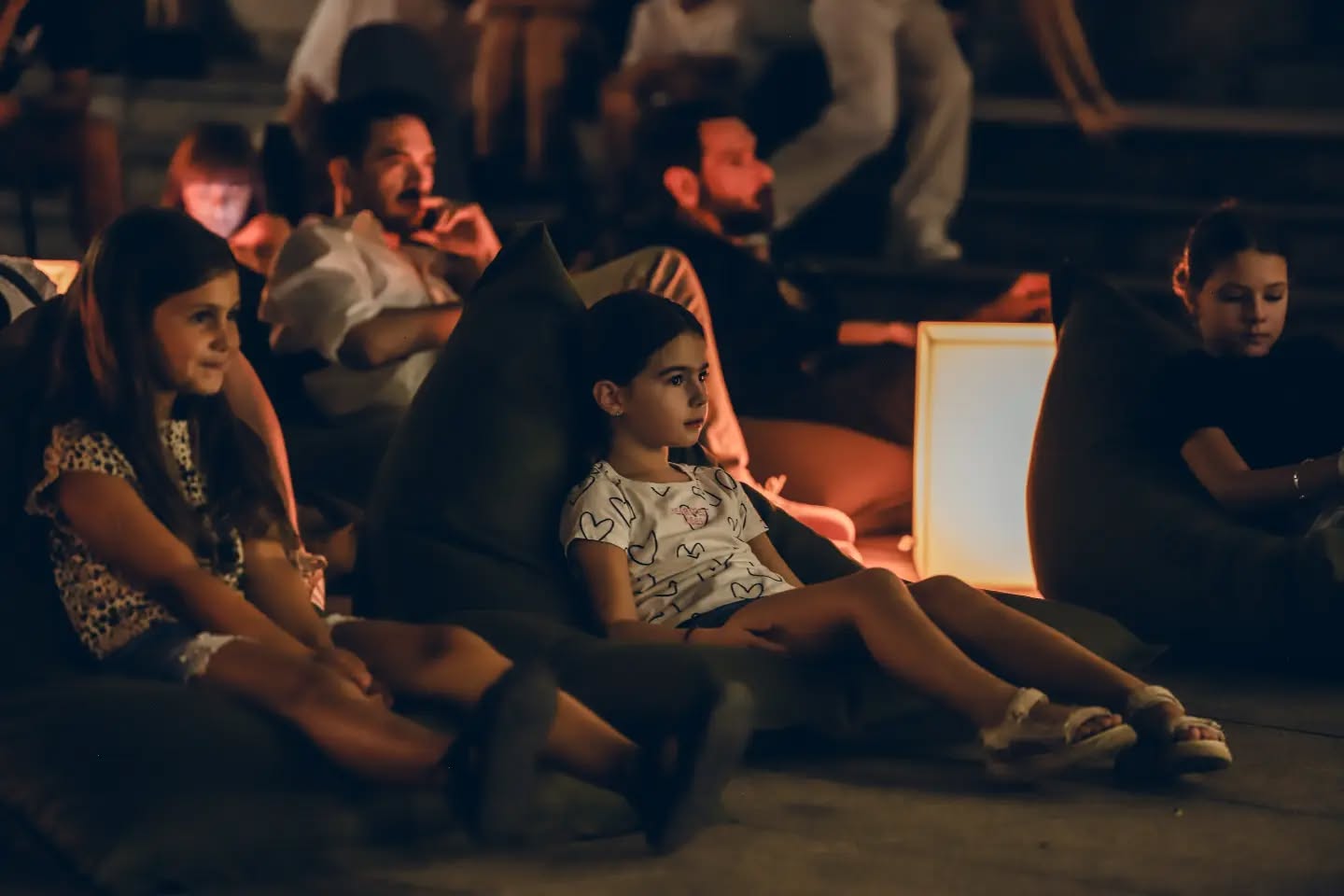
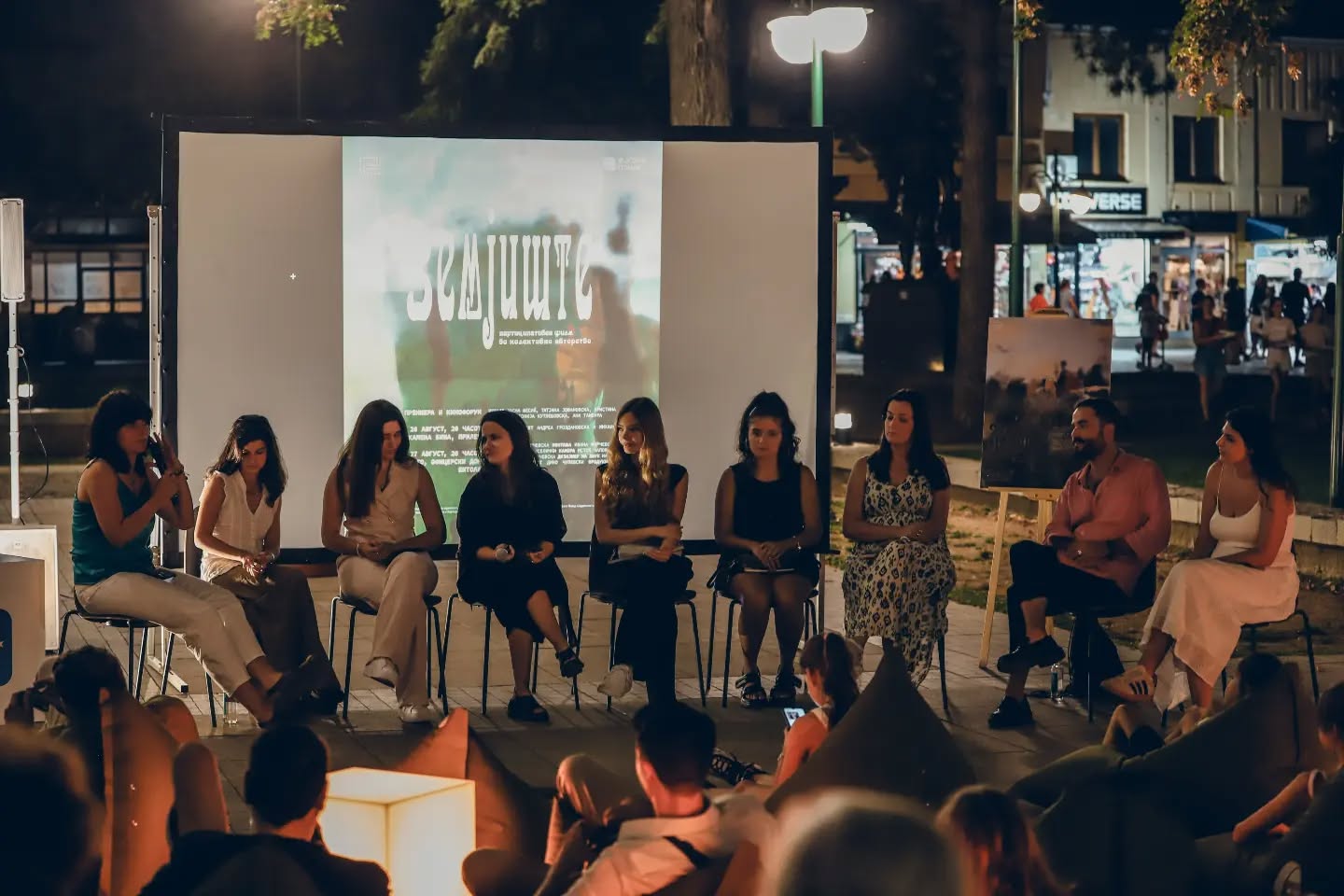
With the support of Europe House Bitola, and in collaboration with Atrium, the participatory film “Land”, created through a collective authorship process, premiered before audiences in Bitola and Prilep. The screenings, held at the Stone Stage in Prilep on 26 August and at the small plateau in front of the Officers’ House in Bitola on 27 August, offered audiences a different kind of cinematic experience.

The film invites reflection on land – as a concept, a symbol and a space beyond a clearly defined sense of time – as well as on the human being as a temporary part of its continuum.

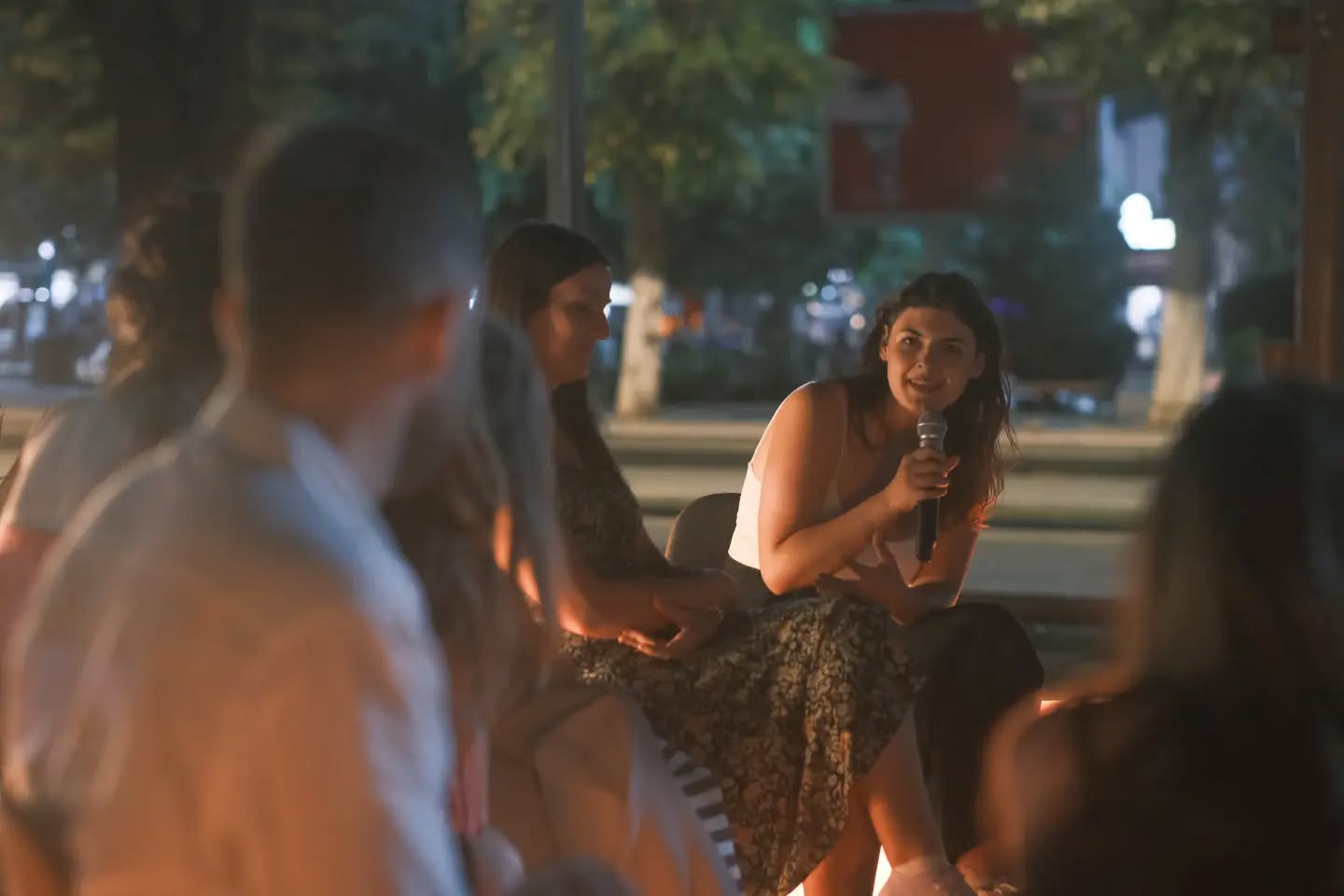
The screenings were followed by open and engaging conversations between the collective behind the film and the audience. The discussion explored the ideas and concepts that shaped the creative process, the way the film was made, and the stories and decisions behind what we see on screen. It also opened up questions emerging from the film itself – from the scenes and the characters’ actions to the way its visual language shapes the story.
About the Film

A piece of inherited, exhausted land holds the quiet memory of five women who return year after year to dig, eat and leave, repeating a ritual that lost its meaning long ago, but not its form.

Their routine is disrupted when one of them sells her share of the property, believing that she is freeing herself, while in fact quietly shifting the foundation on which their sense of togetherness rests.

Creative Team

Cast: Jasna Vesić, Tatjana Jovanovska, Hristina Srbinoska, Sofija Kutlešovska, Ana Tambura

Set Assistants: Andrea Grozdanovska and Mihail Spasevski

Direction and Editing: Ivana Mirčevska
Screenplay: Kalija Kiselichki
Cinematography: Istok Čapovski
Animation: Ivana Mirčevska
Sound Design: Marko Rikaloski
Producer: Dino Čupevski

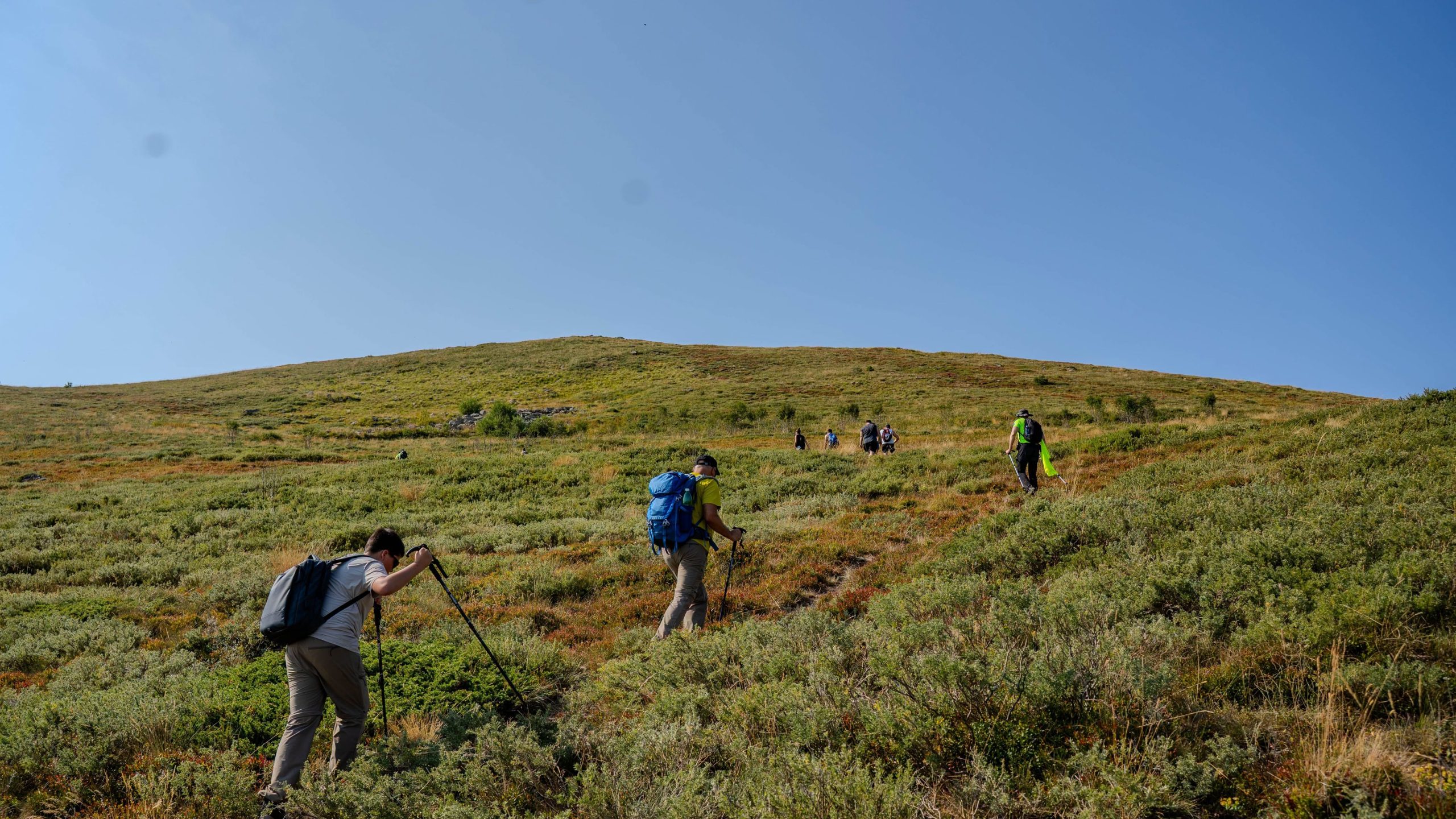
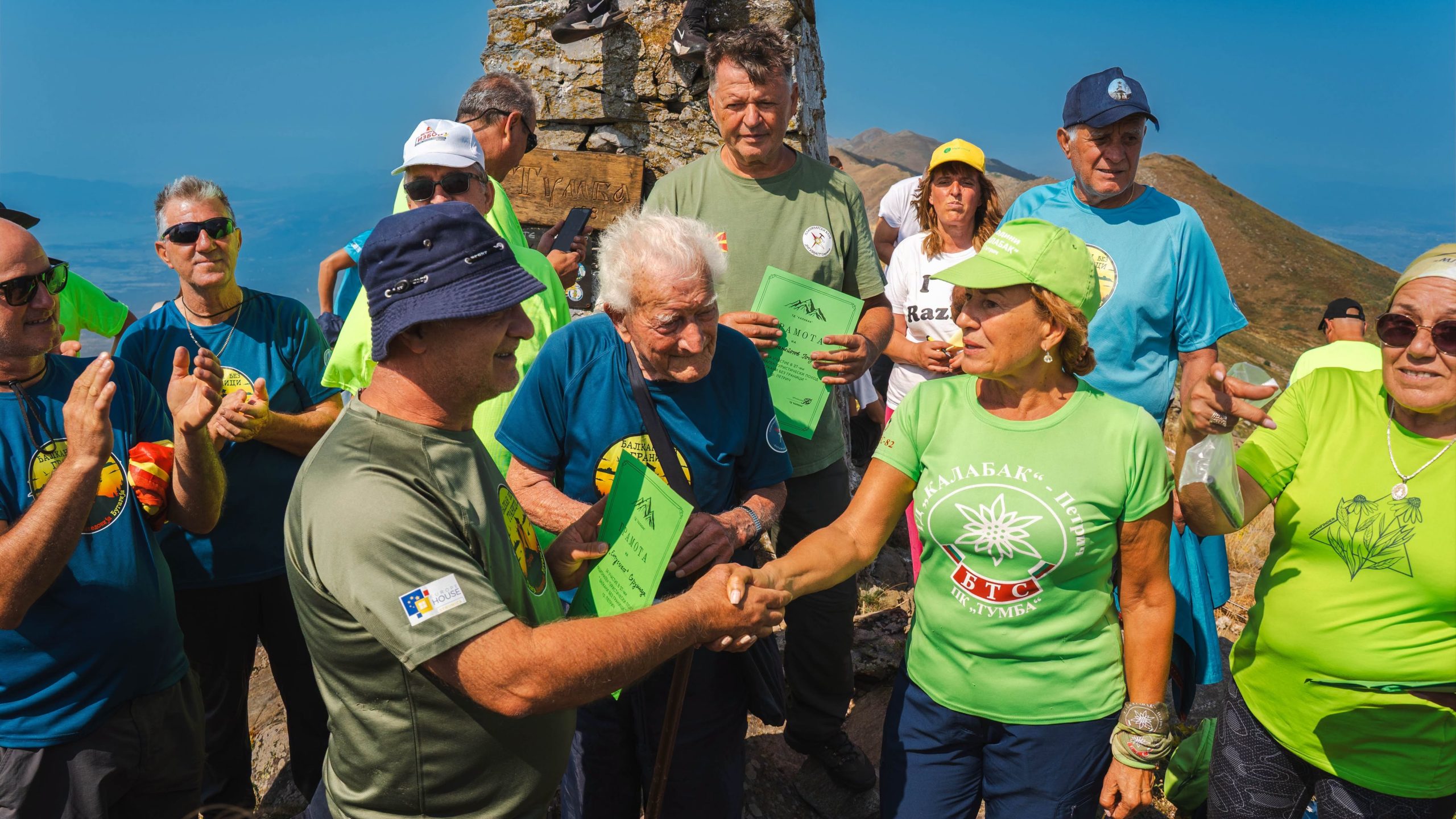
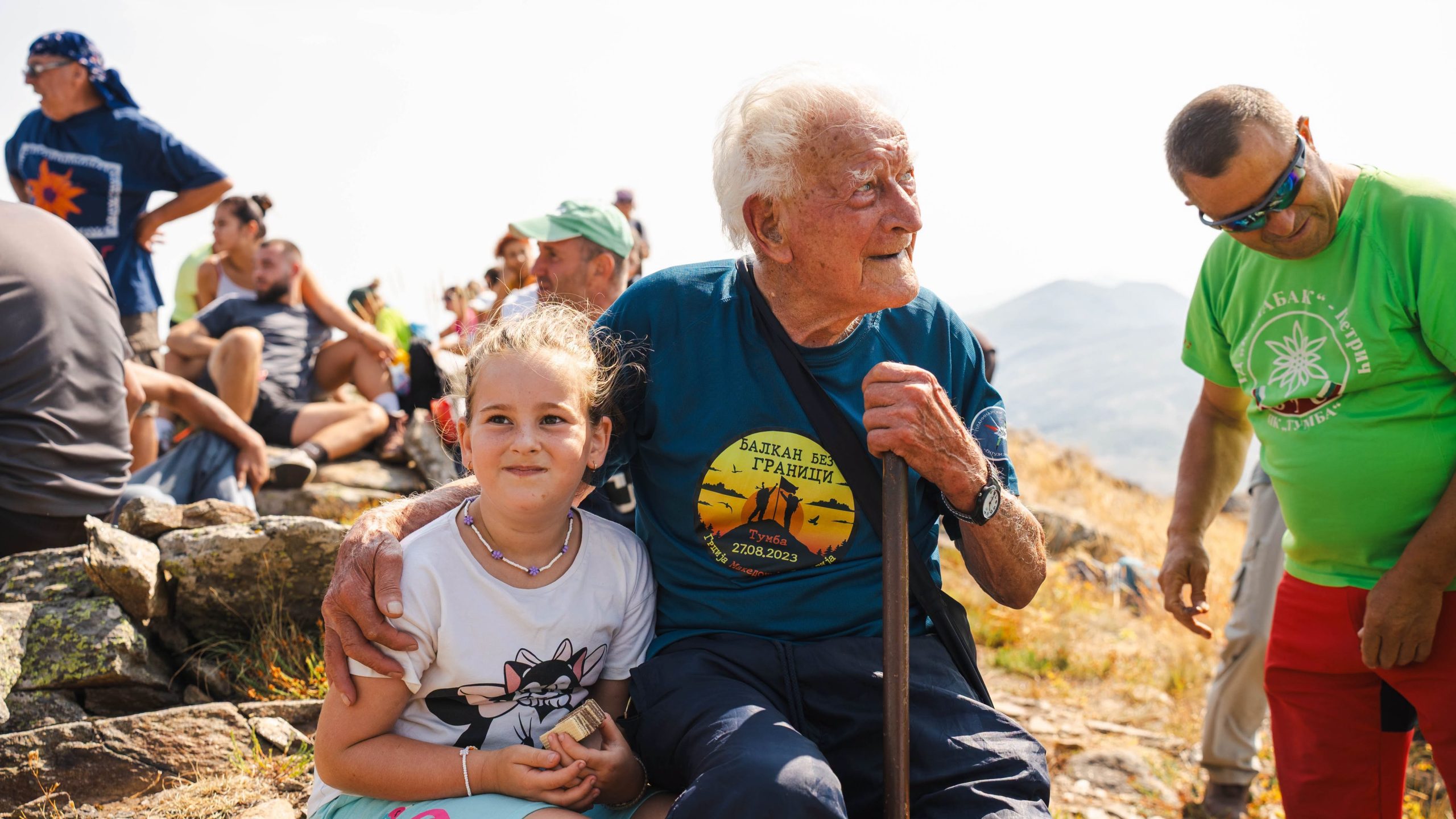
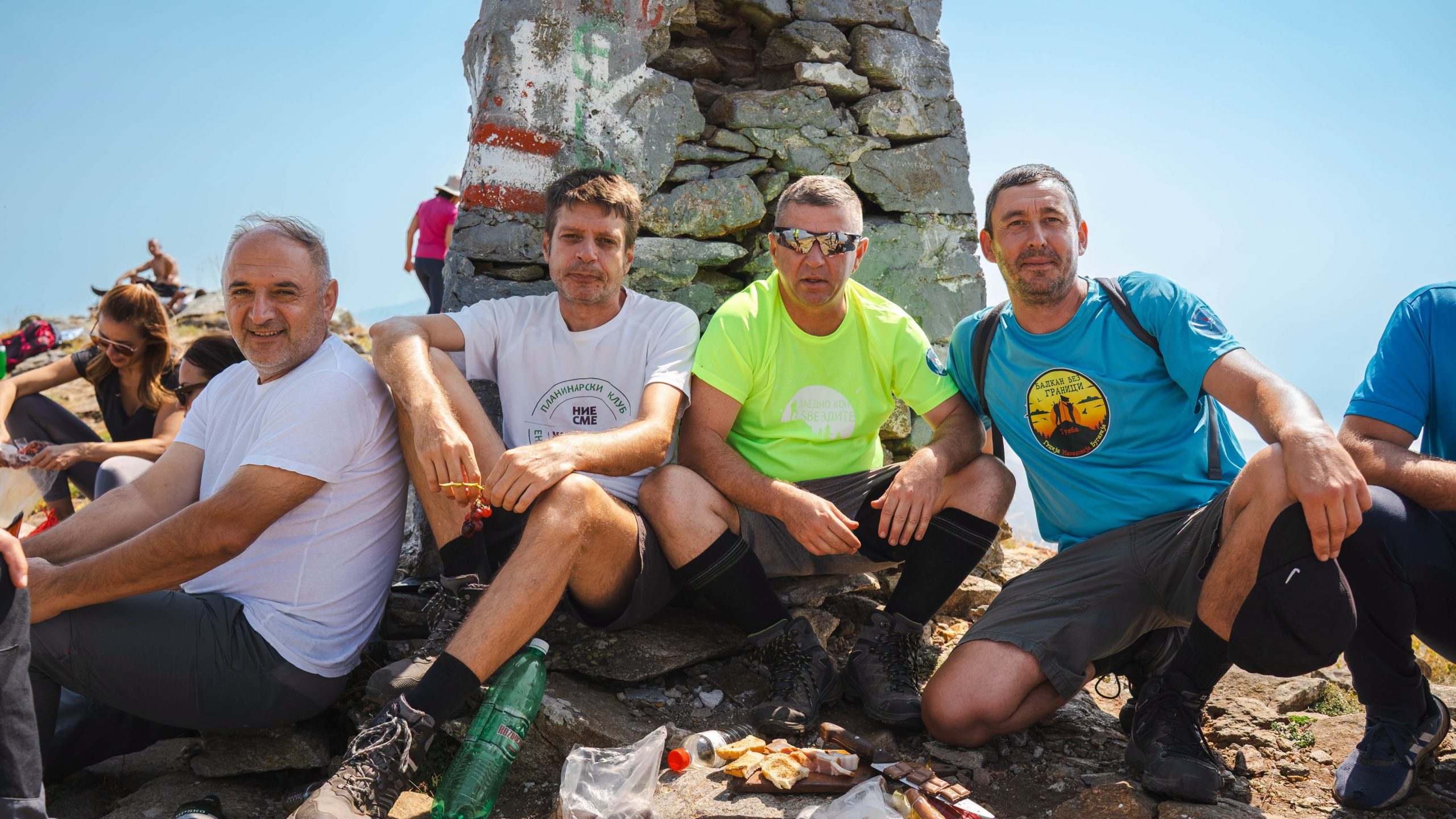
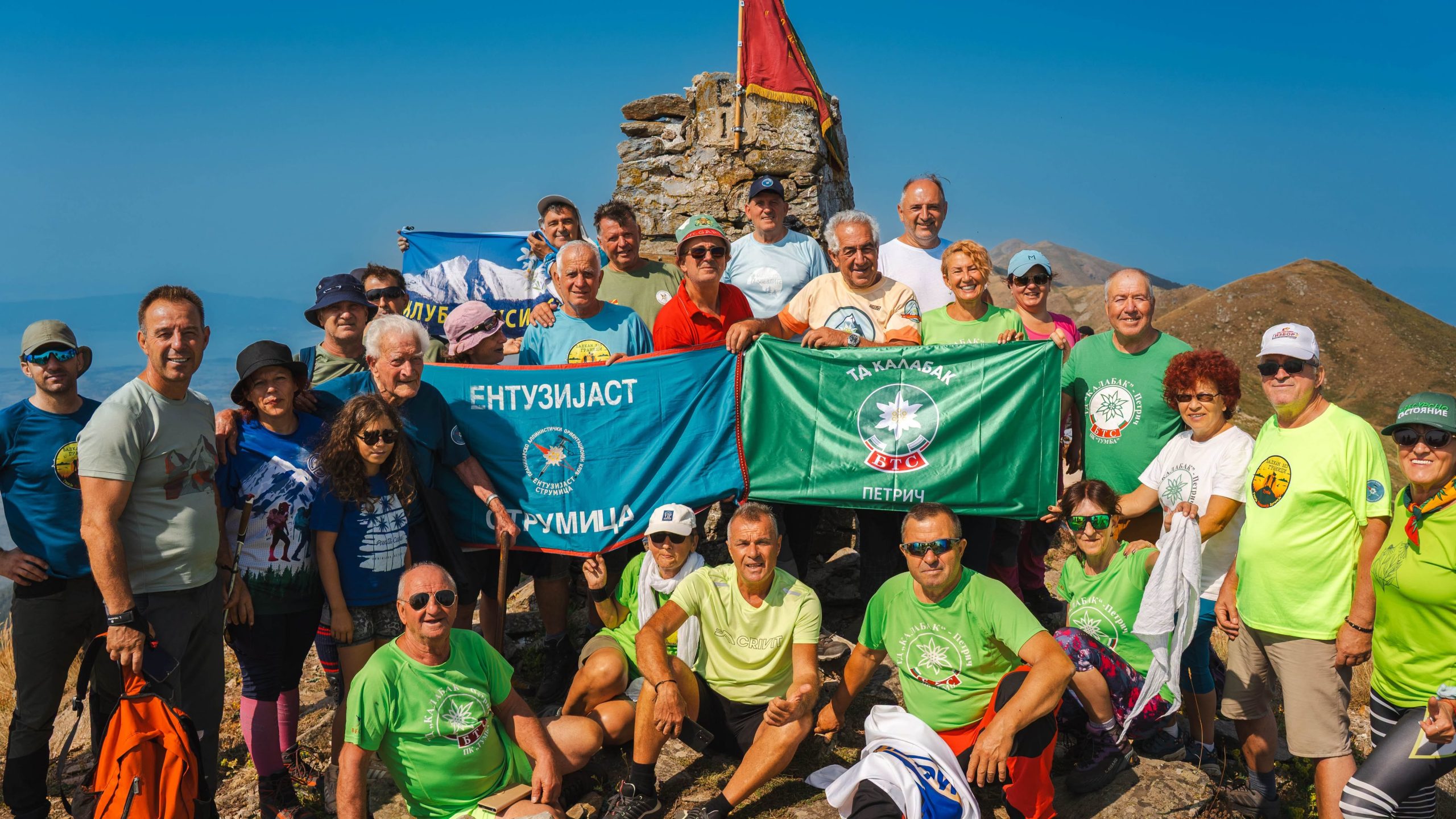
Three Countries, One Mountain: “Balkan Without Borders” Brings Hikers Together on Belasica

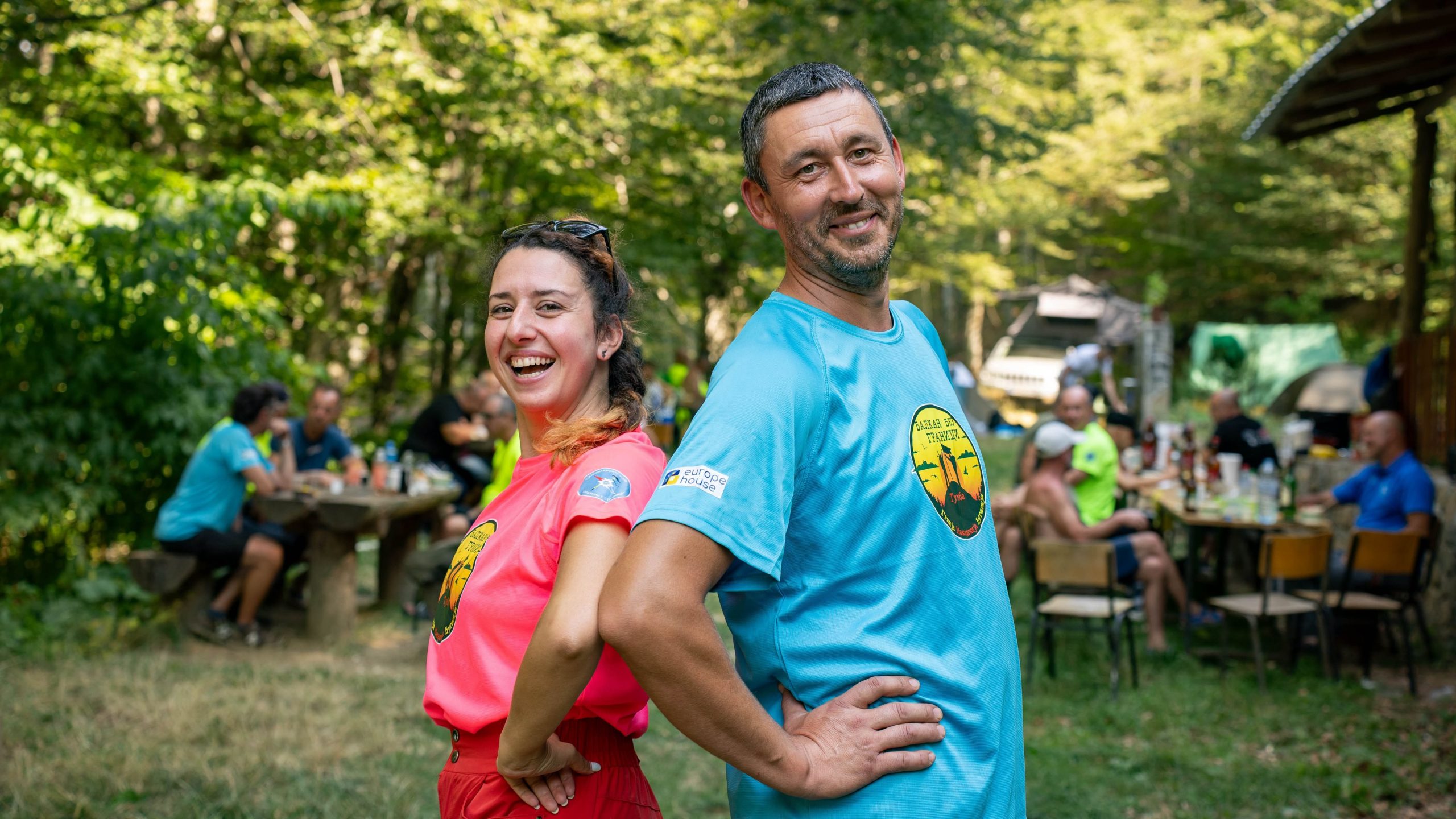
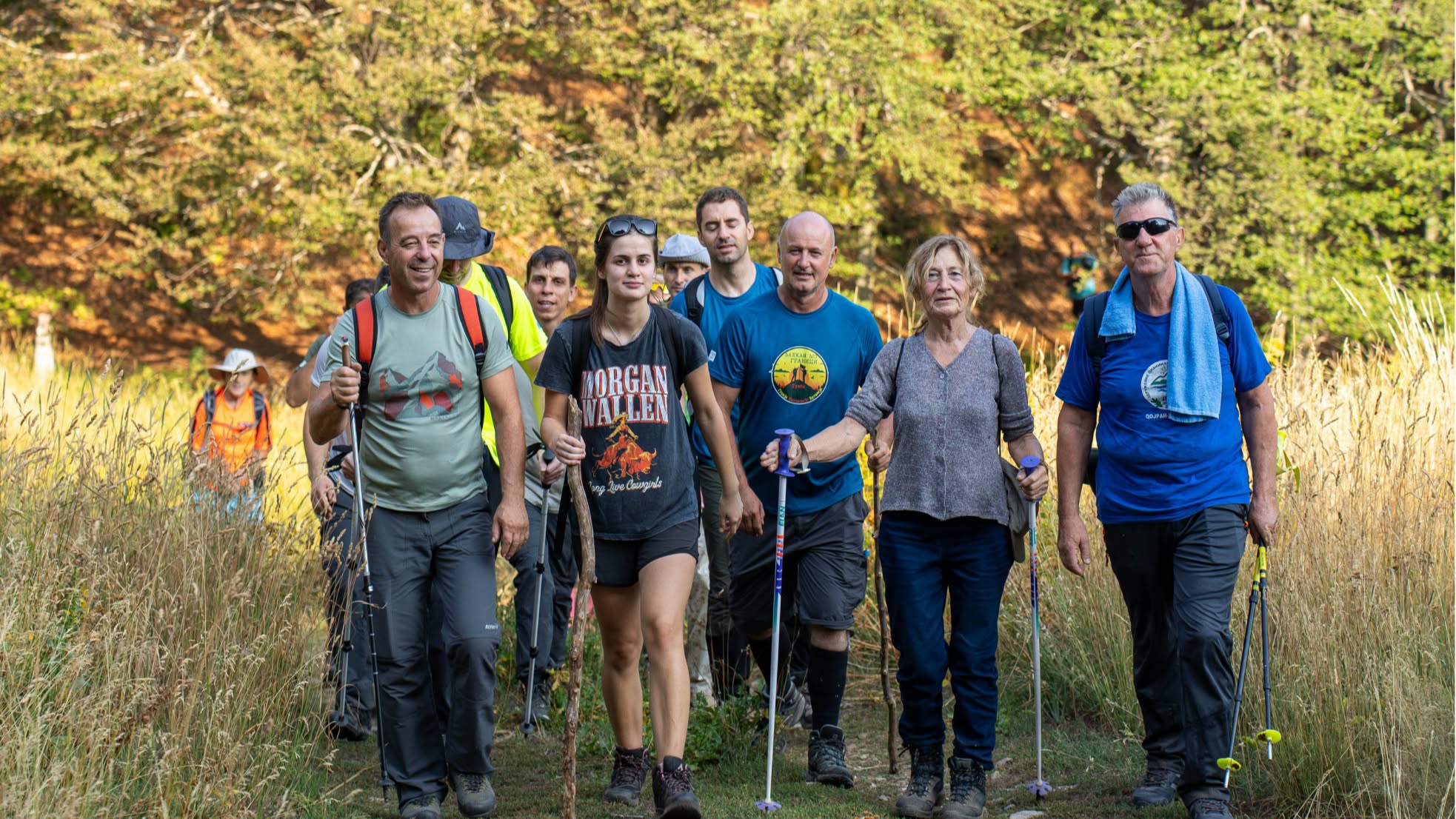
Hiking enthusiasts from North Macedonia, Bulgaria and Greece once again came together on Mount Belasica, near Tumba (Tri-Border) Peak, for the 26th edition of the traditional international hiking gathering “Balkan Without Borders”, organized by the Enthusiast Mountaineering Clubfrom Strumica.

As every year, participants hiked together to Tumba Peak, at 1,881 metres above sea level – a place where the borders of the three neighbouring countries meet. With its powerful symbolism, the peak is a reminder that nature and sport can create a space for meeting, exchange and cooperation, regardless of borders.

The shared climb, time spent together and moments in nature once again showed that mountains do not divide us – they bring us together.

Europe House Strumica was pleased to support the event, which for more than two decades has promoted hiking and friendship, created opportunities for new encounters, and brought people from across the region closer together.

Subscribe To our newsletter!